
When it comes to home canning, it’s best to use safe and tested canning recipes from trusted resources, not only so you can enjoy eating the best food possible, but also so you know for sure that your products won’t make you or your family sick.

Home canning isn’t the same thing as commercial canning. We cannot get our canners hot enough to kill off many harmful pathogens and bacteria. Just because you see something canned commercially in the grocery store doesn’t mean it is safe for home canners to do.
“But I’ve been canning using this recipe for years, and no one has gotten sick!” While that might be the case, that doesn’t mean that your recipe is safe.
No one is going to stand over you while you work in the kitchen and monitor your every move and analyze your recipes. If you want to be a “rebel canner” and use non-tested recipes and risk getting your family and friends sick, that is 100% your choice.
However, if you prefer to use recipes you KNOW are safe, then that’s what this article is about. I’ll talk about why trusted recipes are important as well as where to find the best sources. That way, you can rest assured that the home canned products lining your pantry are as safe as can be.
Avoid Survivor’s Bias – Safe Canning Resources
I’m sure you’ve heard the line, “I do it this way, and I’m ok.” Or how about “I’ve made this recipe for 40 years, and no one has ever gotten sick!” Or “My grandma made it this way, and she lived until she was 90 years old!”
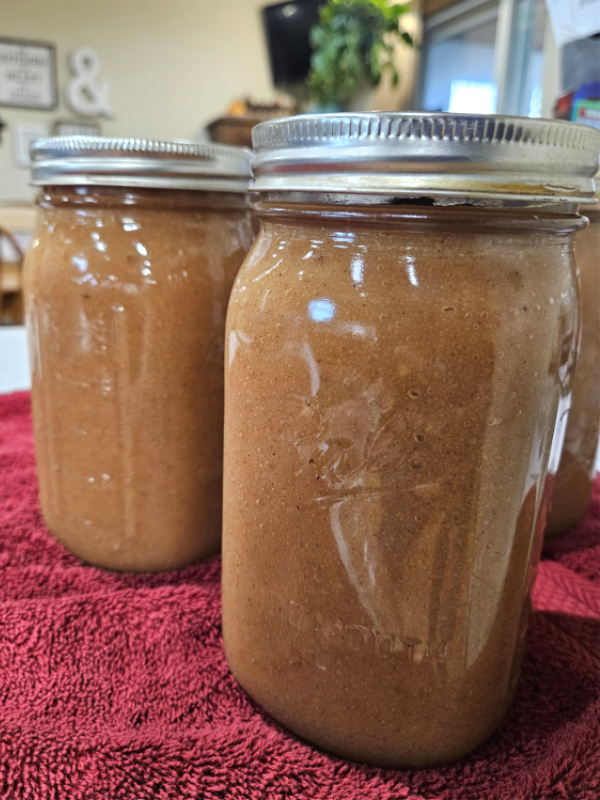
Those statements are considered to be survivor’s bias. Just because something hasn’t happened to you doesn’t mean it isn’t possible. Someone can successfully use an untested recipe for years without having any issues. And that’s great. However, that doesn’t mean that recipe is “tested,” nor is it safe by food-safety standards.
Some people call those who use untested recipes “rebel canners.” They are taking a stance and making recipes their own way. If that is the route you want to go, then that is completely fine. I know I don’t follow all the rules when it comes to washing and storing my farm fresh eggs. You have to do what you feel is right for your family.
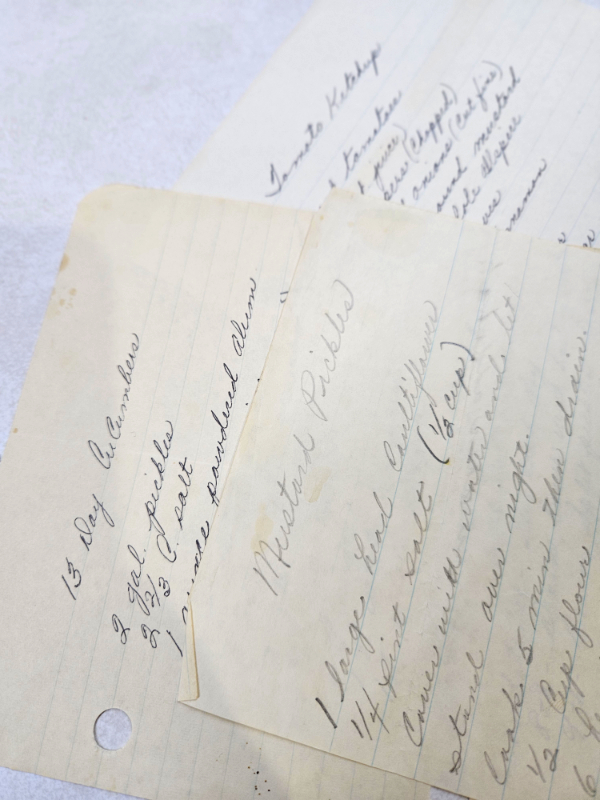
However, when it comes to home canning and using a product that is supposed to last over a year on my shelf, I don’t mess around. I have loads of old canning recipes that have been handed down to me by my late Grandmothers. While I would love to use those, the fact of the matter is I don’t know if those recipes are safe.
Also, please know that just because a jar seals doesn’t make it safe. Let me say that again for those in the back: Just because the flat lid on your canning jar seals after processing doesn’t mean it is safe!
The Issues With Non-Tested Recipes
So, what’s the problem with recipes that haven’t been tested? The issue actually goes beyond food that doesn’t taste good or spoils quickly.
The main issue is that improperly canned and processed foods can create conditions that allow harmful bacteria and microorganisms to grow and multiply. This can increase the likelihood of foodborne illnesses.
The worst one is Clostridium botulinum. This toxin is invisible, tasteless, and odorless. Even a small taste of the toxin can be fatal.
There are many issues that can happen with non-tested recipes, in addition to the canning process. Wrong pH levels, too little processing time, too dense products inside the jar, not the right pressure, water bath canning when you should be pressure canning, etc. All of these can cause good produce and products to go bad.
What Are “Tested” Canning Recipes
Now that you know the issues with non-tested recipes, what is considered to be a “tested” canning recipe? Is it safe if a recipe was published online or in a book? Is it a canning recipe that comes from my favorite well-known cook or chef? Unfortunately, the answer is usually no.
A tested recipe has been scientifically tested and approved by reputable organizations that have food science testing programs/labs. My grandmother’s kitchen or a popular author’s kitchen does not count, unfortunately.
There is a long process that goes into scientifically testing a recipe. The lab tests the pH levels, processing time, ingredients, product density, jar size, pressure, temperature, etc. They identify the exact steps needed that will destroy microorganisms that can cause food spoilage or health issues, as well as deactivate enzymes that can cause additional spoilage. Once they have that combination, only then is a recipe considered safe and tested.
Best Resources For Safe & Tested Canning Recipes
The best online source for up-to-date, research-based information and guidelines is found at the National Center for Home Food Preservation website.
According to their website, “The Center was established with funding from the Cooperative State Research, Education and Extension Service, U.S. Department of Agriculture (CSREES-USDA) to address food safety concerns for those who practice and teach home food preservation and processing methods.“
Other trusted sources for safe and tested recipes include:
- USDA Complete Guide to Home Canning (2015 version) – Free downloadable PDFs
- So Easy to Preserve, 6th Edition (2014 version) – Link to purchase cookbook online
- Ball Mason Jars website
- “Ball Complete Book of Home Preserving” (2024) – (Affiliate Link)
- “Ball Blue Book Guide to Preserving 38th Edition” (2024)
- Bernardine website (Great Canadian source)
- University extension programs
For the printed books with multiple versions, only use the most recently published one. Any older versions might contain out-of-date information that new testing has altered.
Remember . . .
There are still issues to look out for, even from tested and safe canning resources. If you see any of the following signs, throw the food out. It’s not worth the risk!
- Cracked or broken jars
- Lids that don’t seal after the proper waiting time
- A container that is leaking or bulging
- Discolored or moldy foods
- Foods that smell bad or “off”

Once again, you have to make the decision to use the recipes you are comfortable with. Enjoying items made using non-tested recipes for yourself is one thing. But if you share your home goods with family and friends, I really hope you use tested recipes.
In my personal case, if I want to use a handed-down recipe from either of my late grandmas, I have plenty of baking or cooking recipes I can use instead!
Until next time, thanks for stopping by!
– Chelsea
*This post may contain affiliate links. These are products I have used personally and highly recommend. As an Amazon Associate, I may earn a small commission from qualifying purchases if you purchase items through my links. These links and the ads on this page help to support my family and our semi homestead, so Thank You!
Discover more from Semi Homestead Life
Subscribe to get the latest posts sent to your email.