
Just because it might be winter outside doesn’t mean there aren’t chores and tasks you can be doing to prepare yourself and your garden for the upcoming gardening season!
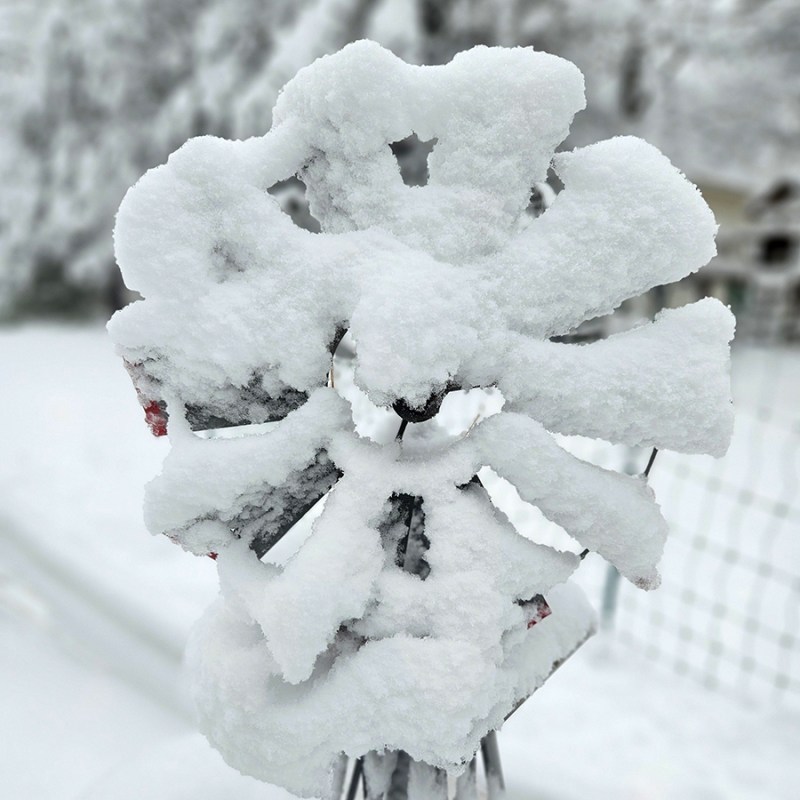
We get it: After a long spring, summer, and fall of growing plants, harvesting produce, pulling weeds, and putting canned and preserved goods away on your shelves, winter is a welcoming time for rest and reflection. It’s our reward for pushing ourselves and the land hard throughout the growing season.
However, just because there is snow on the ground and the air hurts your lungs when you go outside doesn’t mean the work stops completely! In fact, the wintertime is also a great time to tackle a few simple garden tasks.
Most of the tasks in this article aren’t really “chores” per se. It’s more of a list of things to do to gear up for the growing season ahead. Many you can do from the comfort of your own couch or easy chair. Others do require you to get up and put a little bit of effort into the task at hand. (Heck, some of them are even optional!)
Either way, they should help you prepare yourself as well as your gardening space for a successful and great gardening season to come!
7 Winter Gardening Tasks To Do
1. Sign Up For Free Seed Catalogs
This is a simple winter chore that anyone should be able to handle. That task is to sign up for free seed catalogs. If you are someone who likes to start seeds indoors or plant different varieties of crops than those you can find on store shelves, then seed catalogs are a great option.
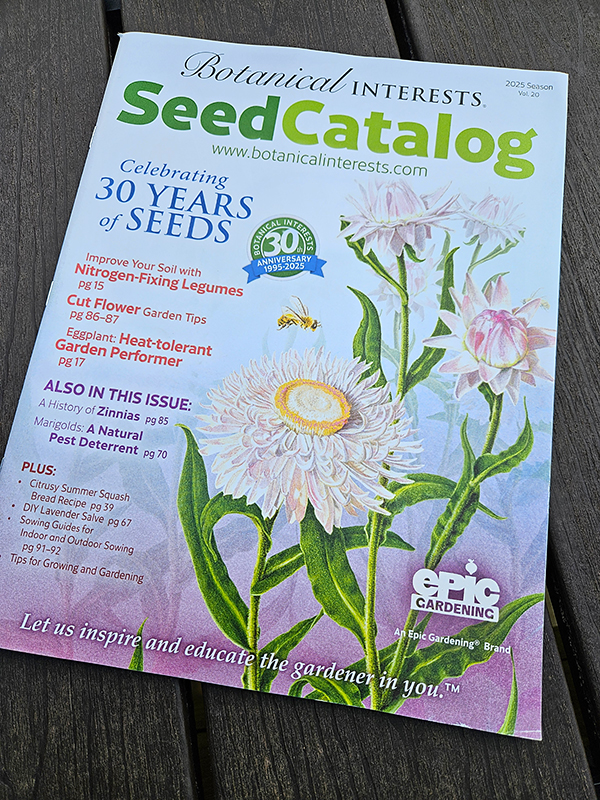
There are so many different seed companies out there. Some are the same companies you find on store shelves, like Burpee. Others are more specialized companies that only sell seeds online and through catalogs.
The best way to sign up for these catalogs is to visit a seller’s website. Most often, you can find pop-ups or a link somewhere on their homepage asking you to sign up. All it takes is your name and mailing address, and the company will mail you a free catalog right to your home.
Some of my favorite seed catalog companies include Baker Creek Seeds, Burpee, Park Seed, Gurney’s, Johnny’s, and Botanical Interests. They usually start shipping out catalogs in January or February. (It’s like Christmas all over again when one of those arrives in our post office box!)
2. Clean Those Tools – Winter Gardening Tasks
This is a gardening task that should’ve been done at the end of the growing season in the fall. However, I personally know that isn’t always possible.
By the time fall rolls around, you are either too busy or possibly so burnt out on gardening that all you want to do is toss the gardening tools in the shed and shut the doors. (Everyone who has been in one of those situations, raise their hands!)
However, if you don’t properly clean and repair those tools now, you might set yourself up for issues come springtime. Some diseases can overwinter on dirty gardening tools. In addition, leaving dirt, plant foliage, and more on the tools can cause them to rust and break down fast.
Take the time to give all the gardening tools a good clean. This includes your smaller handheld tools like your hand shovels and pruners, as well as the bigger ones like rakes and hoes. If needed, purchase any new tools you might need to replace.
3. Organized Saved Seeds
This is another chore that is easier to do right after the growing season is over, but that doesn’t always happen. So if you haven’t already, take the time now to go through and organize any of your leftover seeds or seeds that you saved during the growing season.
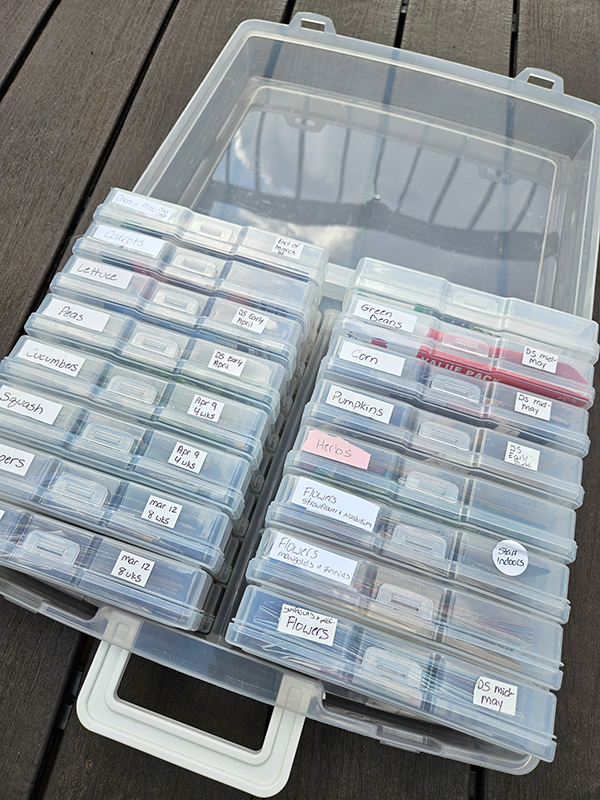
Most of the time, we don’t plant all of the seeds that are in each seed packet. Instead of tossing them into the trash, you can save the seeds from year to year. Most seeds will stay viable for several years as long as they are stored properly. (I store all of my leftover and saved seeds in one of these – Product Link: Novelinks Transparent 4″ x 6″ Photo Storage Box.)
Once the next growing season rolls around, you can save money and use those saved seeds. But, you need to organize and write down what seeds you have and what ones you are low on. You can do this by using either pen and paper or making a spreadsheet to keep track of all of those extra and saved seeds.
I have a spreadsheet that I use every year. I list out the variety of the seeds, the year it was packaged, how many seeds are left, the seed company (or if they are mine), and any notes I want to remember about the plants.
4. Plan Your Spring Garden
This is one of the best winter gardening tasks that you can do! The task is to plan out your spring garden! There’s not much better than sitting back and dreaming about all those plants and flowers you want to grow for this upcoming year while the snow gently falls around you outside!
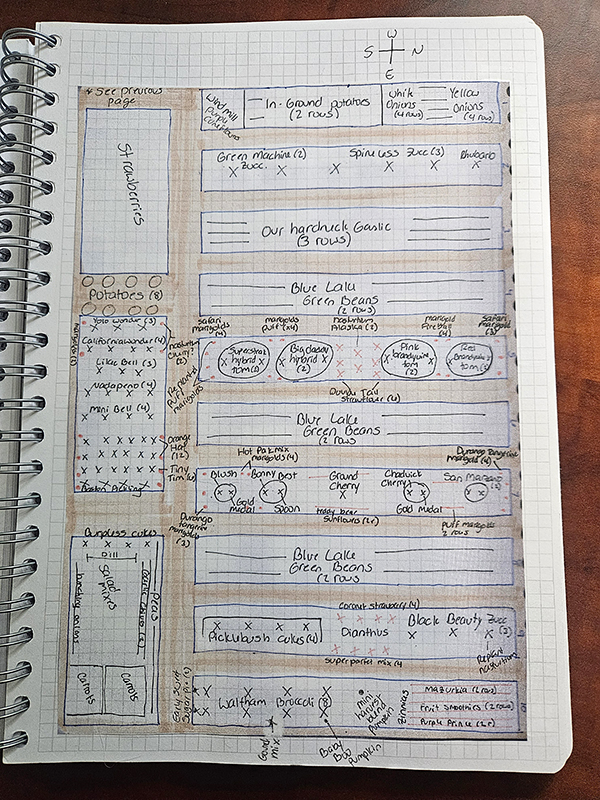
First, make a simple sketch of your garden space. Trust me, it doesn’t have to be perfect or exactly to scale! (Grid paper does make this process a bit easier, though.) Then, take a look at your Garden Journal or any pictures you took last year and use them as a reference. Try to mark out what crops you want to grow where, being sure to implement crop rotation if possible.
Next, look through your list of saved seeds (the chore you just did!) and write down any plants or varieties you want to add to the garden this year that you don’t have. I always like to make a “Must Have” list as well as a “Maybe” list. That way, I can make sure to get the seeds I really want and possibly a few on my “Maybe” list.
In addition to your seed list, write down any other purchases you need to make for this year. Soil amendments, fertilizers, compost, topsoil, raised beds, growing containers, etc. Plan out as much of the garden as you can during the winter so you will be ready when spring arrives!
5. Buy Those Seeds – Winter Gardening Tasks
Early winter is the best time to start buying your seeds on your list. It may seem super early, but come January, most stores have already started to put out their seed displays.
Browse through those free seed catalogs you received in the mail, look online at reputable seed companies, or visit your local stores to start shopping for seed packets. (Or do all of those three things, like I do!) Shop around and compare varieties, prices, and quantities.

The sooner you purchase the seeds, the better, in my opinion. Some popular and rarer varieties might sell out fast, so don’t wait until the last minute. The seeds you purchase in January will have been packaged for the current growing season, so there is no harm in getting them early.
As I said, I purchase my seeds from a variety of sources. Heck, I’ve even had amazing success growing seeds I purchased on clearance at Dollar General the previous year! So just because it isn’t a “top of the line” seed company doesn’t mean you can’t still grow amazing crops and flowers!
6. Prepare Seed Starting Equipment
If you are a gardener who likes to start their seeds indoors, early winter is the best time to get all of your supplies in order. That way, when the time comes, you will be set up and ready to sow those seeds.
Do an inventory of what seed starting containers you have. Make sure your lights still work. Make adaptations or changes to your setup if something didn’t work quite right last year. Research what seed varieties you should start indoors and which should be directly sown.
Also, purchase your seed starting soils and anything else you might need supply-wise. The time to start your seeds indoors will be here before you know it!

(If you want tips on starting seeds indoors and what supplies I suggest you get, check out my article, “Seed Starting Supplies – 5 Things You Need To Start Seeds Indoors”. I also have a great Seed Starting Series you can check out as well that walks you through the whole process from planting to hardening off.)
7. Start Winter Sowing
If you want to try winter sowing, now is the time to get the supplies ready and seeds planted. This can honestly be done pretty much any time during the winter season as long as it is still cold out.
Gather up your empty and clean milk jugs, prepare your seeds, add the soil, and do research on what you want to start outside. Pretty much any cool-weather crops are perfect for winter sowing. Also, any crops or flowers that need cold stratification can be started this way.
Keep an eye on your containers and water them as needed unless the soil is frozen. Mother Nature will know when it’s time for the seeds to germinate and start growing. Winter sowing is a great alternative to starting some seeds indoors.
Hopefully, this list will give you a few simple yet useful garden tasks you can do during the winter months to not only help prepare yourself for the upcoming growing season, but also to get you excited for another successful and fun year ahead!
Until next time, thanks for stopping by!
– Chelsea
*This post may contain affiliate links. These are products I have used personally and highly recommend. As an Amazon Associate, I may earn a small commission from qualifying purchases if you purchase items through my links. These links and the ads on this page help to support my family and our semi homestead, so Thank You!
Discover more from Semi Homestead Life
Subscribe to get the latest posts sent to your email.