
Want to know what we consider to be the 4 best oils and fats to season and cook foods using your cast iron cookware?
When cooking with cast iron cookware, you have to keep it properly seasoned. If not, you will end up with a rusty piece of metal and super frustrated with food sticking every time you use it. Thankfully, caring for cast iron isn’t a difficult task. It just might take a bit of a learning curve if this is your first time using and seasoning cast iron cookware.
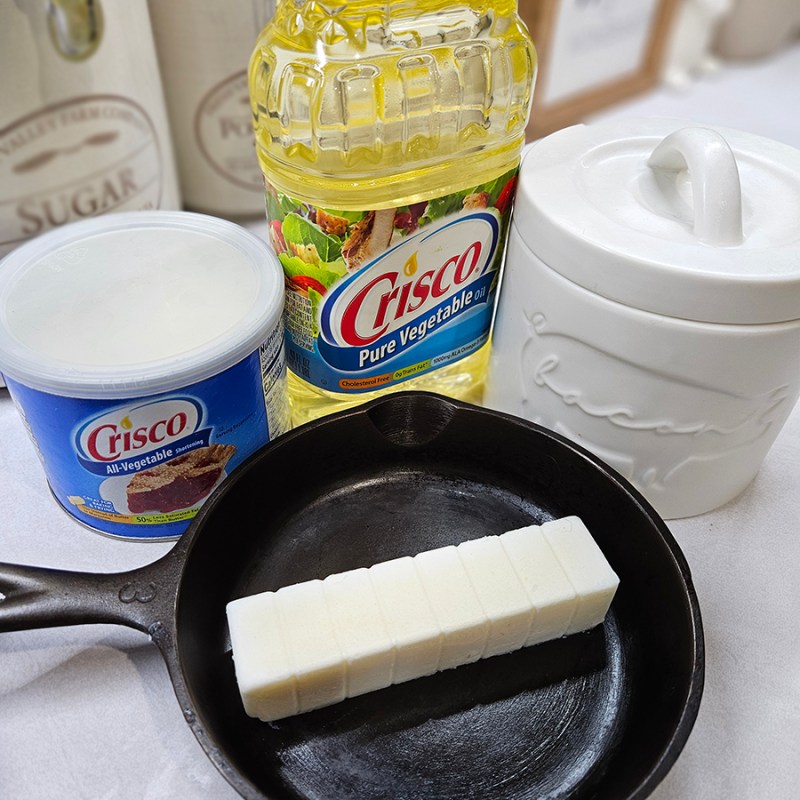
When I talk about “seasoning”, I don’t mean adding salt and pepper to your pan. Seasoning and reseasoning cast iron is the process of baking oil onto the surface of the cookware. It provides a protective layer that also allows it to become nonstick and gives cast iron its iconic dark black appearance.
Not only does this seasoning allow your cooked products to not stick, but it also makes cleaning simple too. Often, a simple wipe with a paper towel is all you need to keep your pan clean and ready for its next use.
There are many different products you can use to season cast iron cookware as well as cook with it. What you use will depend on what you have on hand, your personal preferences, and sometimes what you are cooking at the time. I’ve put together a list of my top four favorite oils to use for seasoning and cooking with cast iron cookware.
What Makes The Best Fats And Oils?
When choosing your cast iron seasoning or cooking with cast iron, you want to keep in mind the oil and fat’s smoke point. This is the temperature at which the oil begins to smoke and break down. The higher the smoke point, the better with most cast iron cooking.
Cast iron cookware gets extremely hot and holds the heat well. Because of this, you need an oil or fat that has a smoke point of anywhere from 400 to 500 degrees Fahrenheit for best results.

Oils with a low smoke point like coconut oil just do not make the best seasoning for cast iron cookware. It has a smoke point of around 350º F, which just isn’t high enough to create that non-stick layer you need for cast iron cooking.
Flaxseed oil is another with an even lower smoke point of only 225º F. Avocado oil, on the other hand, has an extremely high smoke point of around 520º F.
You can honestly use almost any type of cooking oil or fat for seasoning cast iron. Take into account the cost of the oil or fat, how high of a smoke point it actually has, and if it has a flavor profile that might interfere with the food you are cooking. Then there are the health and moral standpoints of animal fats vs plant or processed oils.
Whatever you choose to cook with, you need to heat the pan up until the oil or fat reaches its smoke point. This is when the chemical reaction (called polymerization) occurs to create that non-stick and protective layer on the pan.
4 Of The Best Oils And Fats To Cook And Cast Iron Cookware With
1: Tallow
My favorite product to use to reseason our cast iron cookware with is by far tallow. Tallow is the rendered fat from a cow. It’s completely natural and provides a mild savory flavor and odor to dishes. When we get our half beef from a local farmer and butcher, we always make sure to grab a huge bag of beef fat trimmings (also called suet). I then render that into tallow.
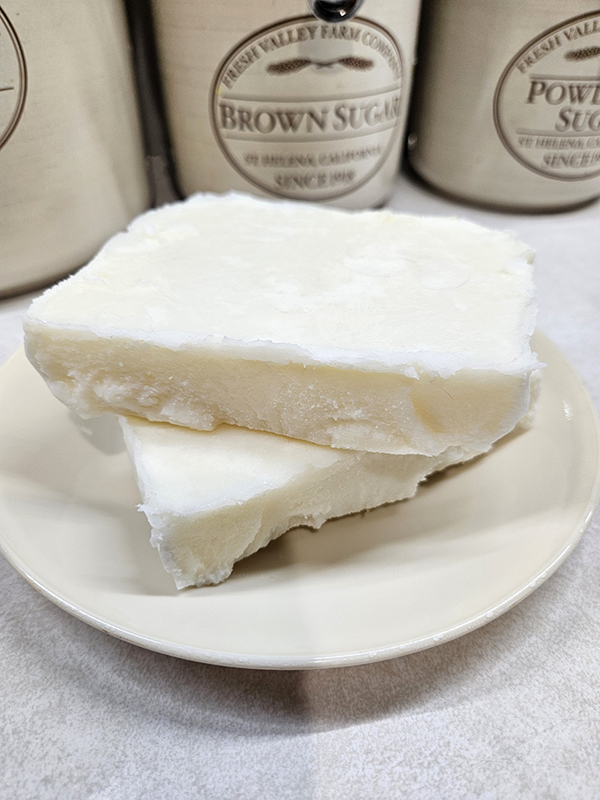
Tallow has a smoke point of around 400 to 420º F. Due to its high smoke point, it’s perfect for frying, sauteing, and pan searing. We cook almost all of our meat products using tallow like steaks, chicken, and burgers. In addition, once our pans are cooled off, tallow is what I use to reseason my pan with so it is ready to go for next time.
We keep our tallow in the refrigerator. I have a rectangular glass container I use to store it in and just cut off a chunk when I need it for reasoning or before cooking.
The only downside to tallow is that it can become rancid if you don’t use your pans often. However, I have not run into that issue with our cast iron cookware. In fact, many people keep their tallow on their countertops at room temperature 24/7 without issues at all.
2: Bacon Grease – 4 Best Oils And Fats
Bacon grease is the go-to in our household when we are cooking with eggs or any type of food product that can benefit from the flavor of bacon. (Which is most foods, to be honest!) It adds a subtle smokey, savory flavor to most dishes.

Bacon grease is just what it sounds like: the leftover and filtered grease from cooking bacon. Bacon grease has a smoke point of around 370º F, so it’s not quite as high as tallow.
We cook a lot of bacon in our household. When it’s done cooking, I run the grease through a coffee filter and add it to my bacon grease container. The container lives on a shelf in my fridge. When we are ready to cook eggs or other bacon-friendly items, out comes a blob of bacon grease. (Here is the bacon grease keeper I have and love – Ceramic Bacon Grease Container with Strainer.)
It’s great for sauteeing vegetables, frying eggs, cooking hashbrowns, and so much more. If you would use butter on the product, chances are that bacon grease can make a good substitute!
However, I don’t usually use bacon grease to reseason our cast iron cookware. I have before with no issues, but I just know that it can go rancid a lot quicker than tallow.
3: Vegetable Oil
When I first started cooking with cast iron cookware, all I used was liquid vegetable oil. It is inexpensive and has a neutral taste and odor. This can be a big advantage if you aren’t a big fan of the mild flavor that tallow and bacon grease can add to foods.
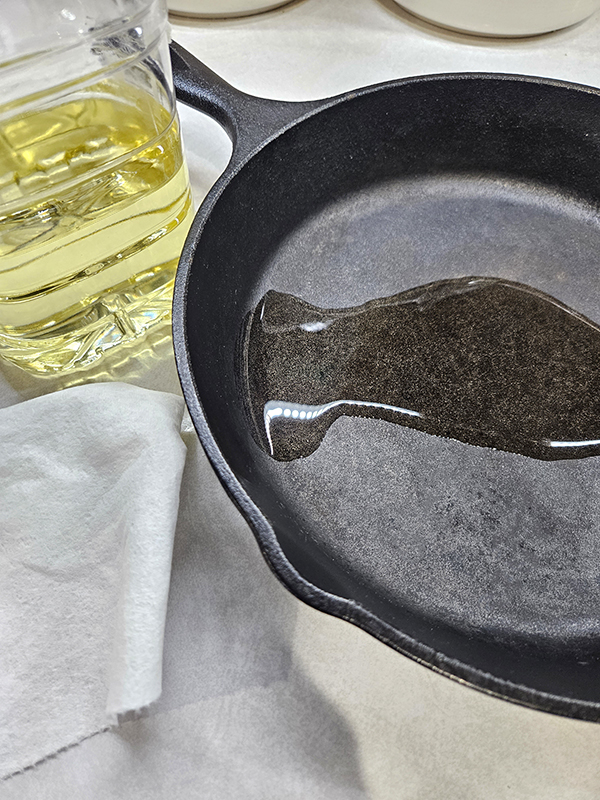
Vegetable oil has a high smoke point of around 400 to 450º F. That makes it great for searing, sauteing, and frying. I’ve made some of the best-tasting steaks ever using a combination of vegetable oil and butter in my cast iron skillets!
However, as a family, we are trying to stay away from more processed oils and fats lately. Most commercially available vegetable oils are extremely refined.
Yes, I use vegetable oil in some recipes still. But when I can, I try to swap it out for more animal-based fats and oils. Again, this is just a personal preference, so you do you as always!
4: Crisco / Shortening – 4 Best Oils And Fats
When I started using cast iron, I used Crisco and only Crisco to reseason my pans with. It’s honestly still what I will season a new pan with that I don’t plan on using very often due to the fact that Crisco is shelf stable.
The positives of Crisco: It has a neutral taste and smell and is great for baking. It has a fairly high smoke point at around 390º F, so it is good for cooking most foods in cast iron. It’s cheap, easy to find in most stores, and doesn’t require a trip to the butcher shop.

Crisco was my late Grandma’s go-to for cast iron cooking, so that is why I first started with it on her cookware. I mean, who can argue with Grandma? It’s also a product that she used often in baked goods.
The main negative with Crisco: It’s a blend of highly processed, hydrogenated vegetable oils. These oils are all plant-based. So it’s not something that our bodies are used to naturally consuming and digesting. For these reasons mainly, we switched to mostly reseasoning with tallow as opposed to crisco.
To Wrap It All Up – 4 Best Oils And Fats
So, to conclude, which of these fats and oils you might choose will depend on your mindset on animal vs plant products and how processed these items are, what you are cooking and the flavors you want to add, and just your personal preferences.
Heck, you can also try any of the other several different oils and fats out there that I didn’t even mention! I know grapeseed is a popular choice for cast iron but not one I am going to try personally.
In my opinion, there’s really no wrong answer as long as you are giving cast iron cookware a shot. Once you get the hang of things, you’ll ditch those non-stick cookware and never look back!
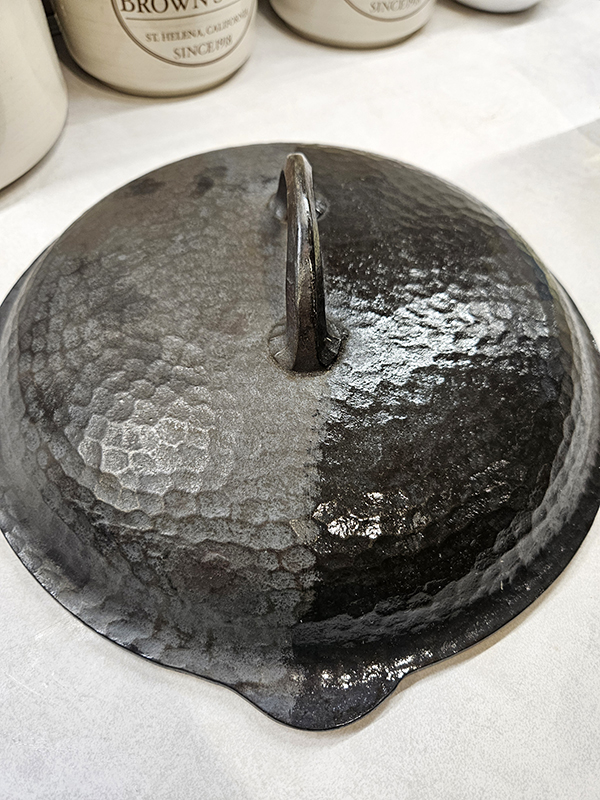
For more cast iron cookware reads, check out my other articles:
- How To Easily Restore Cast Iron Cookware Using Your Oven
- Refinish A Modern Cast Iron Skillet So It Works Like A Vintage One
- How To Season and Reseason Cast Iron Cookware
- Cooking With Cast Iron – 5 Simple Steps To Cook Like A Pro!
Until next time, thanks for stopping by!
– Chelsea
*This post may contain affiliate links. These are products I have used personally and highly recommend. As an Amazon Associate, I may earn a small commission from qualifying purchases if you purchase items through my links. These links and the ads on this page help to support my family and our semi homestead, so Thank You!
Discover more from Semi Homestead Life
Subscribe to get the latest posts sent to your email.