
There are so many different benefits and advantages to using dedicated growing rows and walking rows in your vegetable Garden – for your soil, your plants, and you!
One of the best things I ever did with my garden layout was to convert it into growing rows and walking rows as opposed to one big growing space. This means that I have specific areas for planting and growing my plants and specific areas for walking around and going in between.

Where we live here in Illinois, our soil is very hard clay that gets compacted easily. If you’ve ever worked with clay soil, then you know just how difficult it can be. Every time I walked around the plants in my garden, I ended up compacting the soil. By the time the growing season was over, it might as well have been concrete.
This resulted in me needing to till my garden multiple times in the spring before the soil would be even remotely workable. Not only does this take time to get the ground prepped, but it also isn’t always the best choice for the soil.
So I decided several years ago to covert my garden into dedicated growing areas and walking areas. That way, I could walk and stomp all I wanted without worrying about whether I was ruining the soil underneath. This led to healthier soil, cost savings, and so many more advantages that I wanted to share with you!
The Advantages Of Using Growing Rows
Having a garden with growing rows is a lot like using raised beds or containers. You have dedicated spaces to put your seeds and plants in. The rest of the area is for walking around and moving. However, I am still able to reap the benefits that in-ground planting and growing provides.
To see an in-depth process of how I turned my traditional garden setup into growing and walking rows, head over to my article, “Converting A Traditional Garden To A Raised Row Garden”. For this article though, I want to focus on the why part of making the switch.

Less Weeding And Worry
One of the most dreaded gardening tasks is weeding. Most gardeners shudder at the thought of it. (Of course, there are those few out there that enjoy yanking out weeds and their roots. No judgment here!)
While you can use mulch to help snuff out weeds, weeding an entire gardening space can be extremely overwhelming. Those darn weed seeds can pop up anywhere, whether in your growing space or where you will be walking all summer long.
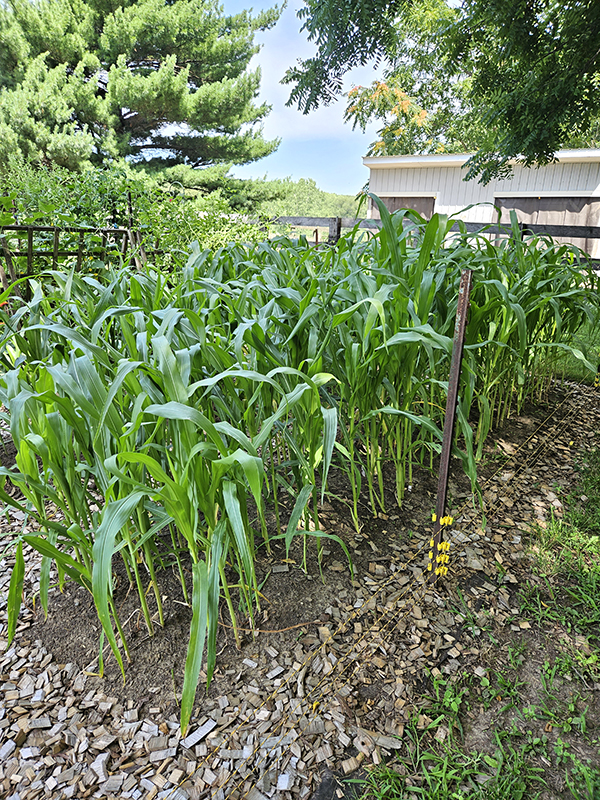
However, if you have spaces dedicated to walking, you can use materials that can help permanently stop those weeds. For example, in my growing rows, I put down landscape weed fabric and then layers of untreated cedar wood chips. The chips look beautiful, smell great, and can be topped off each year if needed. Best yet, that combination helps to stop weeds. (Product Link: ECOgardener Premium 5oz Landscape Fabric)
Now all I have to worry about weeding growing rows. Between the smaller rows and using mulch, I hardly have to weed my garden space at all!

Going No-Till Or As Close To It As Possible – Advantages Of Using Growing Rows
I’m the first one to admit, I still till my soil if needed. However, I only need to till it at the beginning of spring after the ground thaws out. This allows me to break up and mix in the cover crop I’ve been growing since fall.
However, having dedicated growing rows gives you the option of not tilling. Since you aren’t walking on and compacting the area where your crops need to be grown, you don’t have to till the soil.
You can simply loosen up the soil directly around where each plant or seed goes. You can leave the rest of the soil undisturbed. Try doing that with clay-like soil that you had been walking on all summer long! It would be nearly impossible! Sure you might be able to get your plants in the ground, but their roots would struggle to grow due to the compacted soil nearby.
Cost Savings
When it comes to gardening, some aspects of the process can get rather expensive. And I’m not just talking about purchasing all those healthy seedlings.
One of the most expensive parts I have come across is soil amendments. If you don’t have your own compost pile or access to inexpensive bulk compost, the cost of buying multiple bags of pre-packaged compost can start to add up. The same goes for bags of soil if that has to be purchased as well.
If you have to cover a huge garden space, it’s going to take a lot of bags of soil and compost to cover the entire thing. Then there’s the cost of cover crops if you plant those in the fall (which I highly suggest you do!).
Not only are you covering up the soil that you will be putting your vegetables and flowers in with compost, additional soil, and/or cover crops, but you are also covering up where you will be walking. That’s a waste of materials, time, and your hard-earned money.
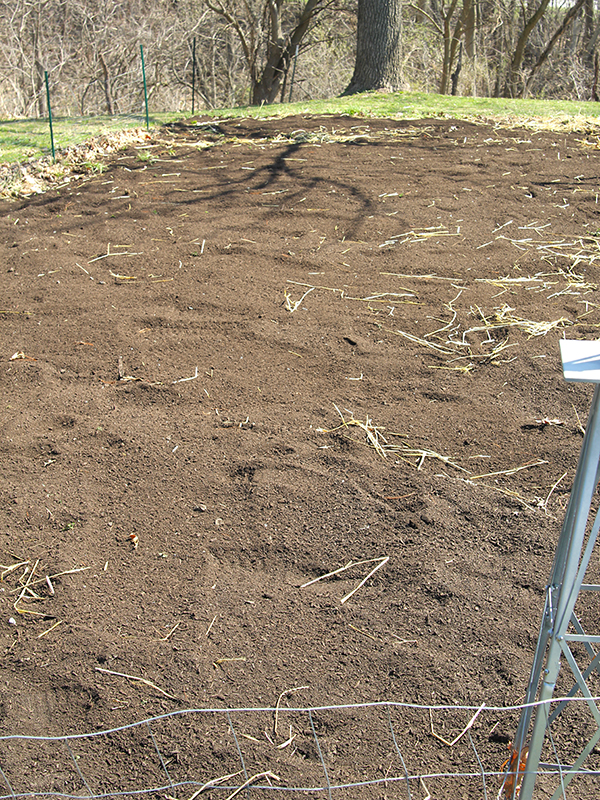
With my method of growing, you only have to amend the soil where you will plant your crops (i.e., the growing rows). That cuts your costs and materials almost in half!
Easier To Rotate Crops – Advantages Of Using Growing Rows
Since my garden is set up in growing rows, I know exactly where I planted what crops (with the help of my garden journal). This makes it easy for me to rotate crops to new locations the following year. So if I grow green beans in one row, I just move them to the neighboring row the following year.
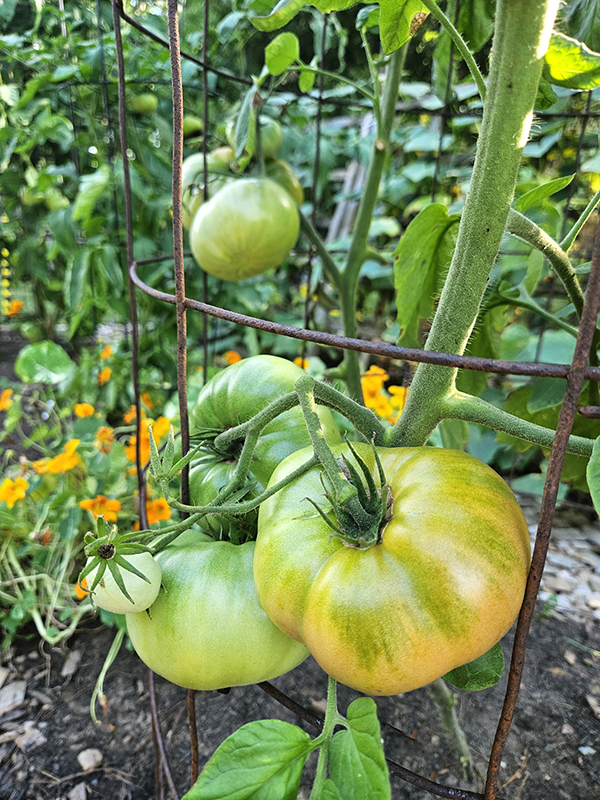
You always want to rotate crops whenever possible. This simple task will help to allow the soil to recoup and recover after growing heavy feeders like tomatoes. After an entire growing season of nourishing and providing for these crops, the soil is depleted of vital nutrients and resources. Rotating them allows the soil to have a much-needed break, so to speak.
It also prevents soil-borne pests like squash vine borers from having easy access to the crops. Many insects overwinter in the soil. By rotating crops to a new location, those pests will have a harder time finding the plants they feast on.
Healthier For Your Plants
When I had a traditional garden, I would cram so many plants in the space so I could grow as many crops as possible. However, what ended up happening was there was no space for the plants to grow and expand – let alone space for me to walk!
If plants grow too close, then they aren’t able to grow to their mature size. This limits how many fruits and vegetables you will be able to harvest. More plants don’t always equal more produce.
Plants also need proper airflow in order to stay healthy and prevent diseases. When plants overlap and grow too close, the moisture level rises up and sunlight cannot reach all parts of the plant. This increases the chances of issues like powdery mildew.
Not only that, but if bees, butterflies, and other pollinators can’t access the plants’ blooms, then they can’t get pollinated. No pollinated blooms equals no fruits and vegetables to harvest.
Yes, it will take a bit of muscle and upfront money and time to convert your garden, but the benefits and advantages of using growing rows more than pay off in the long run!
Until next time, thanks for stopping by!
– Chelsea
*This post may contain affiliate links. These are products I have used personally and highly recommend. As an Amazon Associate, I may earn a small commission from qualifying purchases if you purchase items through my links. These links and the ads on this page help to support my family and our semi homestead, so Thank You!
Discover more from Semi Homestead Life
Subscribe to get the latest posts sent to your email.