
When it comes to planting cucumbers, is it better to sow the seeds directly in your vegetable garden or raised beds or to plant cucumber transplants instead?
Cucumber plants are one of the most popular vegetable crops to grow in home gardens. From pickling cucumbers that can be turned into shelf-stable canned goods to slicing cucumbers that are delicious enjoyed fresh, there are so many varieties and options available.

However, it’s important to get your cucumber plants off to the best start possible. If you don’t, you might end up with plants that struggle to become established, don’t thrive during the growing season, and won’t be able to produce cucumbers for harvesting.
When it comes down to it, there are three main ways to plant cucumbers in your garden or in raised beds. The first is purchasing transplants from a local garden center and planting them when the weather warms up. The second is to start seeds indoors before your last frost date and then plant the transplants outside. Lastly, you can sow the seeds directly in the garden soil.
However, only one of those options will consistently provide you with healthy cucumber plants that establish quickly, grow easily, and produce loads of crunchy cucumbers!
Growing Cucumber Plants By Seeds Or Transplants
Spoiler alert, the best way to grow your cucumbers is by planting the seeds directly in your garden or raised beds. Now that I gave that away, let’s break down the three growing options and talk about WHY sowing seeds directly is the best.
Purchasing Cucumber Transplants
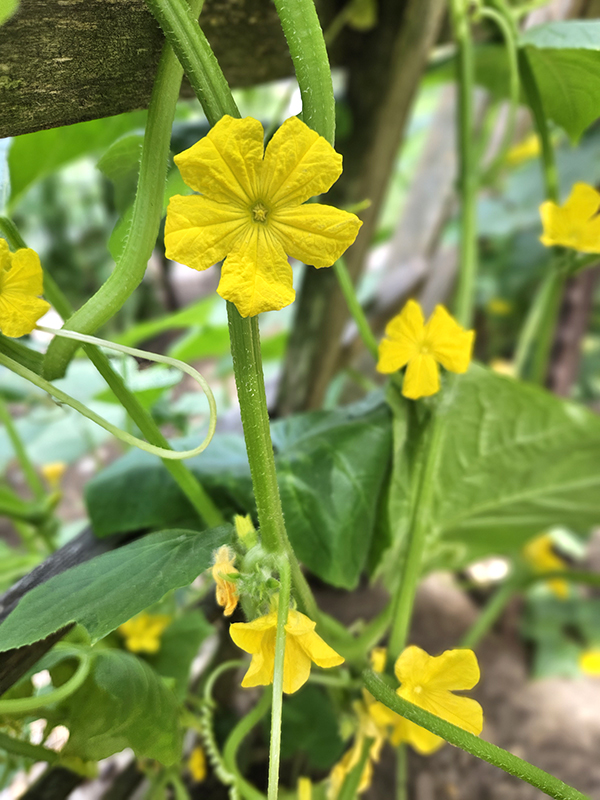
First, there is the option of purchasing transplants from a local nursery or garden center. Heck, even the big box stores like Lowe’s sell transplants during these early spring months. However, this option comes with some negatives.
The first main issue with going this route is the cost. You can buy individual plants for $5.00 or more, depending on the brand, your location, and the store. If you are trying to fill an entire garden with plants, the cost will really add up! Even going for the cheaper 4-packs can take a huge hit on your wallet!
Then there’s not knowing how those transplants were cared for or what products were used on these plants. At least when you start seeds indoors and care for the transplants yourself, you have control over the growing process.
Also, store-bought plants have the chance of having incorrect labeling. It doesn’t happen very often, but I know for a fact that it does occur.
(I once purchased a Bonnie tomato plant that was supposed to be a cherry tomato. After about a month of growing, it became very apparent that it wasn’t what I expected! It ended up being a huge slicing tomato variety!)

Lastly, it can be hard to find the exact cucumber variety you are looking for. You are limited to what varieties the store or garden center carries, and that’s it. And when those plants in stock run out, you are SOL!
Starting Seeds Indoors Option
Of course, the second-best option for growing cucumbers is starting the seeds indoors yourself. This allows you to skip many of the problems that come with purchasing transplants. (Except maybe the mislabeling thing . . . that can happen in your own home just as easily!)
For example, in general, the cost of purchasing an entire packet of seeds is cheaper than buying one single cucumber plant. Not only that, but buying seeds opens you up to a whole wide range of different varieties and types of cucumber plants.
Tomatoes, peppers, broccoli, cauliflower, cabbage, eggplants, and some flowers are all great crops to start by seed indoors. Most of these crops have long growing seasons (i.e., days to maturity).
Here in the Midwest, there just isn’t enough time to plant the seeds directly outside and get them to the point where they produce fruit or vegetables before the growing season is over. Because of this, you need to start the seeds of these crops indoors a few weeks before your last frost date.

Some Crops Don’t Do Well Indoors – Cucumber Seeds Or Transplants
However, there are some crops that just do well when started indoors. First, there are root crops like carrots, radishes, beets, and so forth. Those are pretty obvious of why you can’t really start them indoors and then transplant them outside.
But there’s also crops like squash, melons, pumpkins, and – you guessed it – cucumbers. These are more sensitive crops that don’t like their roots being messed with. While you can start them indoors (and I have many times), it might take the plants a while to bounce back when planted outside – if they do at all!
Another option is starting them in biodegradable pots so you don’t disturb their roots as much. Again, the plants might still struggle to adapt to growing outdoors after they’ve been growing in the same soil for so long. I’ve had varying success going this route and still prefer sowing seeds directly outside.
Why Cucumber Transplants Struggle?
There are many times that the cucumber seeds I plant directly in my garden grow faster and produce healthier plants than the seedlings I started indoors and then transferred outside. So why is that? Why do cucumber transplants often struggle so much once planted outside?
Whether you purchased the cucumber transplants in a store or started them indoors, there are still issues that arise. To begin with, the weather during the spring months is often wet and chilly. (Or, if you are like us here in Illinois, you can go from 80º Fahrenheit [F] down to 30º in 24 hours!)
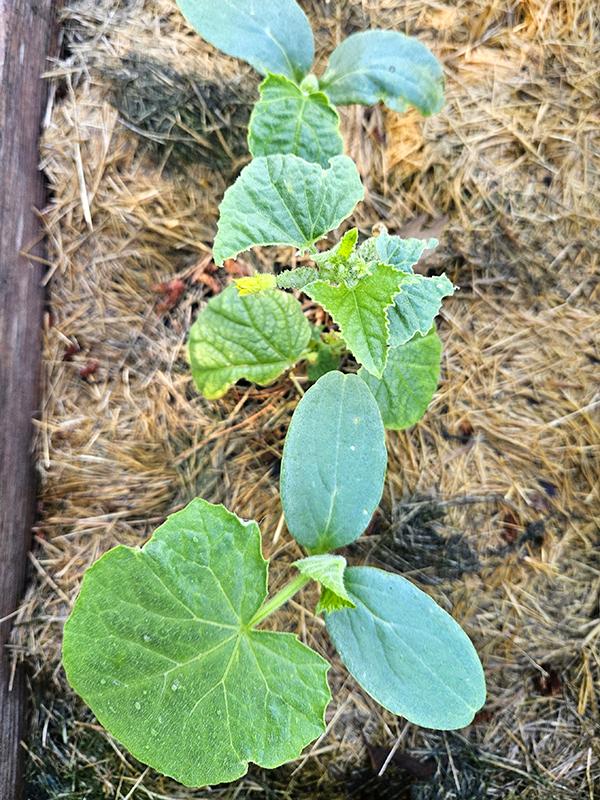
It can be really hard for transplants to adjust to those changing temperatures. But not only does the temperature fluctuate outside, so do the elements like wind, sunlight, and rain. This can be really hard for more tender plants to adjust to.
All About The Soil Temperature
In addition, when young cucumbers get planted into the damp, cold soil, they go into a bit of shock. This causes the plants to put a halt to growing – both above the soil and below.
Not only will the growth you can see slow way down after planting, but the root development will also stop. This can lead to plants that are weak and much more susceptible to diseases and pests.
Roots are the entire foundation of healthy plants. They help anchor plants into the soil so they can handle the harsh outside elements, and they also draw up the moisture and nutrients from the soil that feed the plants. Weak root systems equal weak plants.
If you plant cucumber seeds directly into the soil instead, you allow those plants to slowly become adjusted to both the soil and outside temperatures and elements as the plants grow. This results in stronger and healthier plants overall.
Sowing Seeds Directly In Your Garden
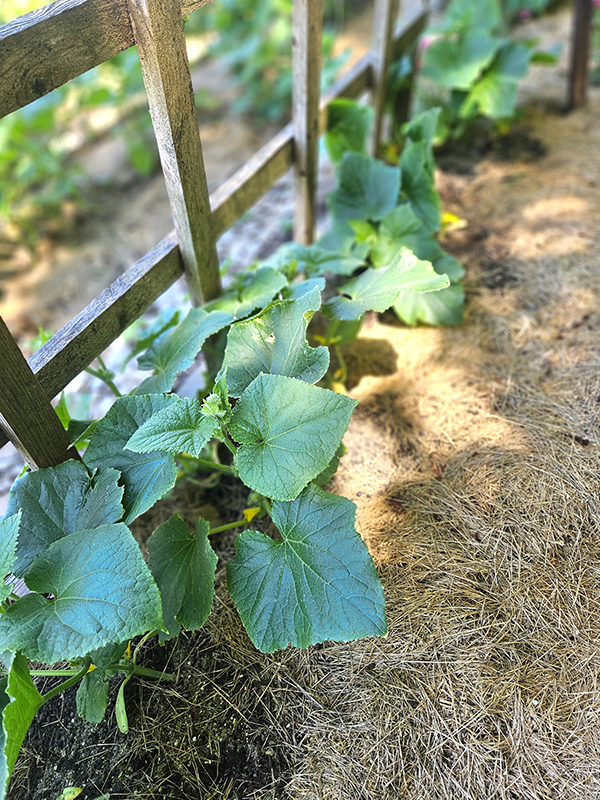
The key to having success with planting cucumber seeds directly in your garden is to be patient. Don’t jump the gun and plant the seeds too early.
Cucumbers are warm-weather-loving crops. They don’t do well with the cooler spring temperatures. This includes the cool temperatures of the soil. Instead of planting the seeds early and hoping for a decent head start, those seeds will sit dormant, waiting for the soil to warm up. Often, as the seeds sit in the damp, cool soil, they end up rotting before they even get a chance to sprout.
Cucumber seeds will stay viable and germinate faster if you wait to plant them when the soil has warmed up to 65 to 70º F or higher. Since the plants have such fast-growing seasons (around 55 days to maturity on average), they will still have plenty of time to grow and produce cucumbers if you wait to plant.
Planting Requirements – Cucumber Seeds Or Transplants
I’ll go into a few of the basics here, but you can read more in-depth about planting, growing, and harvesting cucumbers in my article, “Growing Cucumbers – How To Plant, Grow, And Harvest Cucumbers”.
Choose a location in your garden that receives full sun and has fertile, well-draining soil. If you are growing vining cucumbers, they will need some type of support or trellis, so keep that in mind as well.
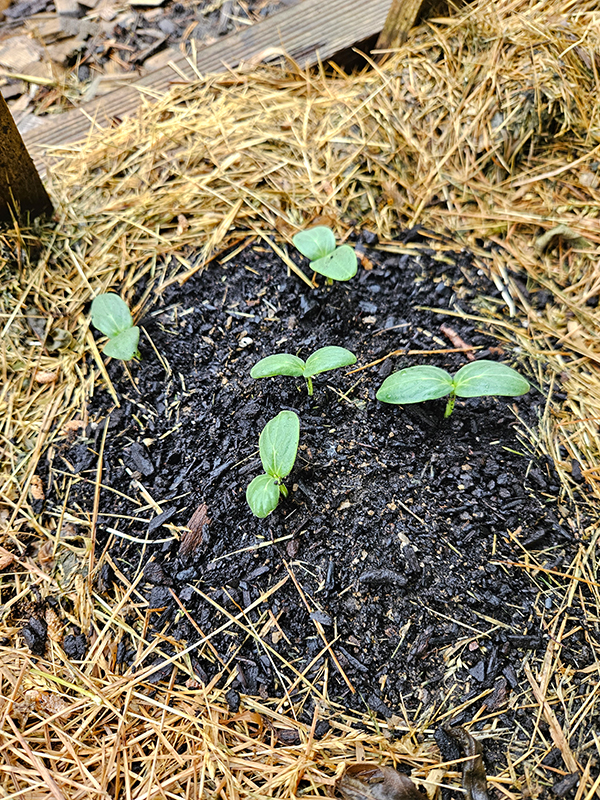
Once the soil has warmed up to above 65º F, create little mounds a few inches higher than the soil to plant the seeds in. You can also do a long, thin raised row as well instead of mounds. This helps to prevent standing water and keeps the seed or roots from rotting.
Plant 3 to 5 seeds per hill and space the hills about 1 to 2 feet apart. Once seeds have germinated, thin so you have 1 to 2 plants per hill. The spacing will vary depending on your growing setup, whether you are trellising the cucumbers, and the variety you are growing.
Before you know it, your directly sown cucumber seeds will germinate and start to take off! So save yourself the time and money by planting your cucumber seeds directly in the garden or raised beds as opposed to using transplants.
Until next time, thanks for stopping by!
– Chelsea
*This post may contain affiliate links. These are products I have used personally and highly recommend. As an Amazon Associate, I may earn a small commission from qualifying purchases if you purchase items through my links. These links and the ads on this page help to support my family and our semi homestead, so Thank You!
Discover more from Semi Homestead Life
Subscribe to get the latest posts sent to your email.