
When your hens start to slow way down on egg production during the late summer and fall months, don’t start to panic! There is an easy way to preserve those chicken eggs so you can enjoy them all winter long, and that is to freeze them!
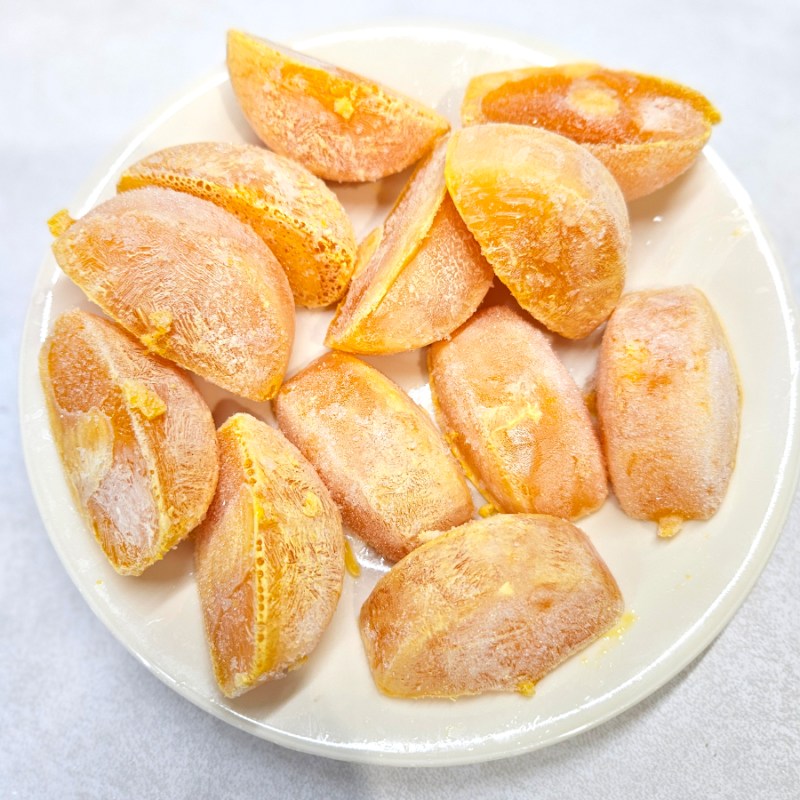
As fall approaches, it’s likely your hens have slowed way down on egg production. Thanks to seasonal molting and shorter daylight hours, a hen’s body is telling her it’s time for a much-deserved egg laying break.
The number of eggs each hen produces throughout the year depends on their health, breed, and a few other factors. However, most hens either slow way down on egg production or stop altogether during the fall and winter months.
It can be so frustrating to be swimming in excess eggs all summer long, only to have to stop at the grocery store once winter hits. So how can you make sure that you have enough eggs to make it all the way through the winter? The key is to act now while your hens are still laying strong.
Thankfully, freezing eggs is a great way to preserve that surplus of late summer eggs, allowing you to have plenty ready for all your scrambling, baking, and cooking needs!
Can I Freeze Whole Eggs In The Shell?
The most commonly asked question when it comes to freezing eggs is whether or not you can freeze eggs in their shells. Unfortunately, you cannot freeze eggs whole, still inside their shells. (If you want to preserve eggs that way, try water glassing.)

As an egg freezes, the liquid inside expands and the shell cracks and splits open. If you live in a location where the temperatures drop below freezing (like we do here in Illinois), then you have likely seen this occur firsthand. Cracked shells allow bacteria to enter the egg, which can make you sick. In addition, you might also get little bits of shell in the egg.
You can, however, crack an egg and freeze it whole, out of the shell. Don’t just toss the empty shells either. You can save them to use in your garden the following year. (See “How To Save And Use Eggshells In Your Garden”.)
How To Freeze Chicken Eggs
You can freeze eggs individually or in quantities you know you will use most often for specific recipes.
To freeze eggs individually, I like to use ice cube trays. Most standard trays fit one whole egg per ice cube slot. However, I have a couple of smaller trays, and it takes two ice cube slots per whole egg. That works fine for me. I simply write a note on the freezer bag that I need two “egg cubes” for one whole egg. That way, I can remember to grab the right amount later on.
If you are freezing eggs in bulk, use freezer-safe containers or plastic bags. Silicone molds are another great option. The choice is really up to you.
Step-By-Step Guide
When working with farm fresh eggs, wash each shell well. Crack each egg into a small bowl first, then add it to a medium-sized spouted bowl. A 4-cup measuring cup (Product Link) works well too. Cracking them into a small bowl first isn’t a requirement, but it removes the risk of one bad egg ruining an entire batch.


For my smaller ice cube trays, I know it has 14 cube slots. Since it takes two slots per whole egg, I need to crack 7 eggs into my spouted bowl to fill up a tray. If you have a standard tray that can hold one whole egg per cube slot, crack one egg per slot.
Once all the eggs are in the bowl, give all the eggs a gentle whisk. The goal is to combine the whites and yolks together before freezing but without adding a lot of excess air. This is because the yolks alone will turn into a thick, gel-like consistency when they are frozen. This makes them hard to use later on. By whisking them with the whites, you remove that issue.
Pour the mixed eggs into the ice cube tray slots. Carefully transfer the tray to your freezer to freeze fully. Once the eggs are frozen, pop them out and store in a freezer-safe plastic bag or container. Label and place them in your freezer for long-term storage.
Alternatively, you can crack each egg right into each ice cube slot if you wish. Use a fork and gently whisk the yolks and whites together directly in the tray. (I find this method a lot messier and more of a pain than just using a bowl first.)
Commonly Asked Questions – How To Freeze Chicken Eggs
Can I freeze egg whites alone? Yes! Egg whites freeze completely fine on their own. Wash the eggs, then separate the yolk from the whites. Freeze just the whites in ice cube trays or other freezer-safe containers in desired quantities.
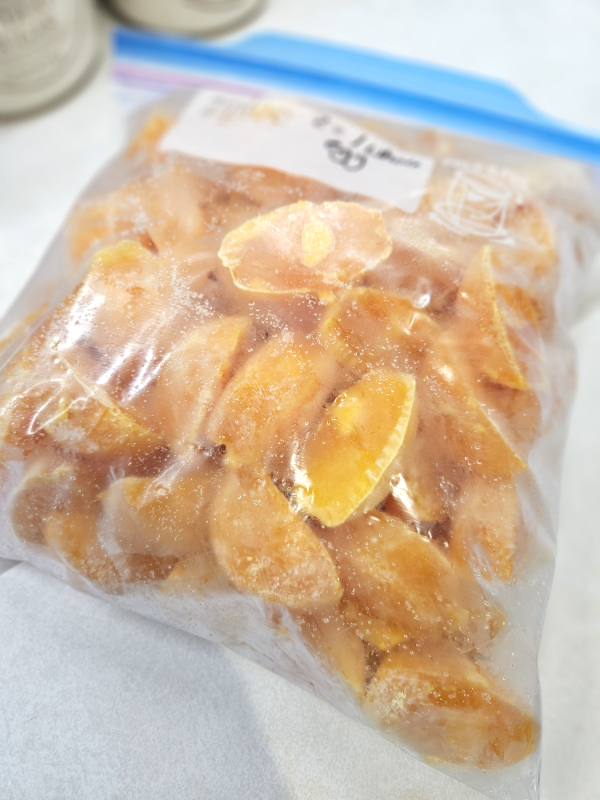
What about the yolks? Can I freeze egg yolks alone? If your goal is to freeze only the egg yolks, break the yolk and whisk in a pinch of sugar or salt to prevent the eggs from turning into a thick, unusable gel. Freeze as described above.
Help! I can’t get my frozen eggs out of the ice cube tray! This is a common issue if you use a standard tray without a silicone base. When this happens to me, I simply run the bottom of the tray under warm water for a few seconds. The eggs should slide right out.
After the eggs are released, the bottoms might be a bit melted using this method. If so, simply re-freeze them by laying the egg cubes out on a baking sheet lined with parchment paper. Freeze for 1 to 2 hours until solid again. Then pack them into your freezer-safe bags or containers.
How long are frozen eggs good for? According to the USDA Food Safety and Inspection Service, eggs that are stored at 0º Fahrenheit or lower will remain safe indefinitely. However, for best quality, use them within one year.
How To Use Previously Frozen Eggs
Thaw out the frozen eggs in the refrigerator. Alternatively, keep them in their container or bag and thaw them out under running cold water.
Once they are thawed, keep them in your refrigerator and use within 24 hours. Do not refreeze. Since they don’t last long after thawing, only thaw out the exact amount you need at a time.
For the most part, you can use previously frozen eggs just like you would any mixed eggs. The texture might be a little different than fresh eggs, but they still work great for scrambled eggs. I personally love to use them for baked goods or for combining into other recipes like casseroles or skillet meals. Since the yolks and whites were previously mixed together, they don’t work well for hard boiling, frying, poaching, etc.
Otherwise, enjoy eating your farm fresh eggs all winter long! Before you know it, your girls will be back to laying in no time!
Until next time, thanks for stopping by!
– Chelsea
*This post may contain affiliate links. These are products I have used personally and highly recommend. As an Amazon Associate, I may earn a small commission from qualifying purchases if you purchase items through my links. These links and the ads on this page help to support my family and our semi homestead, so Thank You!
Discover more from Semi Homestead Life
Subscribe to get the latest posts sent to your email.