
Creating compost at home is one of the best ways to power your plants by turning common materials into a useful and nutrient-packed soil amendment. However, you might be surprised to learn just how many everyday household items you can compost.

The goal of composting is to create something useful for your garden while at the same time reducing waste and trash. Within your home, kitchen scraps are a no-brainer item to add, but what about used tissues, coffee grounds, and cardboard boxes?
It’s not just yard waste, garden plants, and food that you can compost. You can use pretty much any material that is made of natural materials, free of chemicals, and breaks down quickly.
In this article, I’ve put together a list of some of the best everyday household items you can add to your home compost pile, as well as to make you aware of a few items to skip. So the next time you go to toss something into the trash, take another look because you might just have the perfect compostable material on your hands!
Cardboard Products – Household Items You Can Compost
Plain cardboard is the perfect “brown” composting material. It is loaded with carbon that helps to balance the nitrogen in “green” yard waste and kitchen scraps. (For more details about green vs brown materials, check out my article, “Making Compost The Easy Way – A Gardener’s Secret Weapon!”)

Think toilet paper rolls, shipping boxes, cereal boxes, paper towel tubes, and more. Even if the cardboard has printing on it, most printers use safe soy-based inks and water-based coatings that will break down in home compost piles.
Avoid using any cardboard products that have thick, heavy plastic coatings, foil, or waxy finishes. Remove any packing tape or plastic before tossing into your pile. In addition, tear or rip the products into smaller pieces. The smaller the pieces are, the quicker they can break down and decompose.
From The Kitchen – Household Items You Can Compost
Even though kitchen scraps are the most well-known household items to add to compost piles, I still want to include them in my list. While almost all kitchen scraps are good for compost piles, there are a few dos and don’ts to keep in mind.
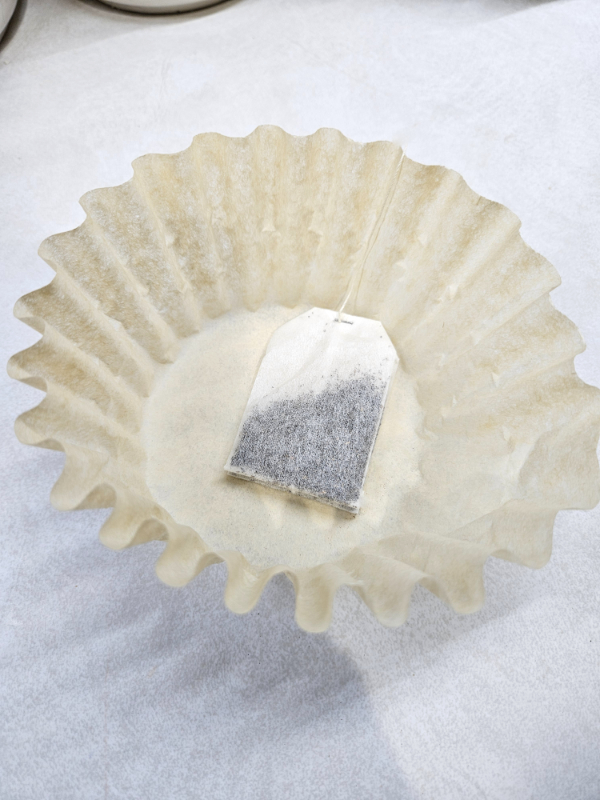
Any time you chop up a few vegetables, peel bananas, or have produce that has gone bad, toss them into your compost pile. These items are great because they are full of nutrients and are easy to break down in most home piles.
But think beyond the usual scraps. You can compost items like tea bags, tea leaves, used coffee grounds, coffee filters, and eggshells.
Avoid adding any type of fat, dairy products, meat scraps, or oils from your kitchen. These items tend to stink as they break down and attract all sorts of unwanted rodents and pests.
Bathroom & Kitchen Paper Products
The kitchen is full of products you can compost besides kitchen scraps. The first ones you can use are paper towels and napkins. Add them to your pile as long as they were used to clean up items that would naturally go into your compost.

For example, if you use them to clean up water, juice spills, soil, and food messes (minus the “bad” food items I mention above), then they are good to go into the pile. However, if you use them with cleaning products or chemicals, toss them in the trash.
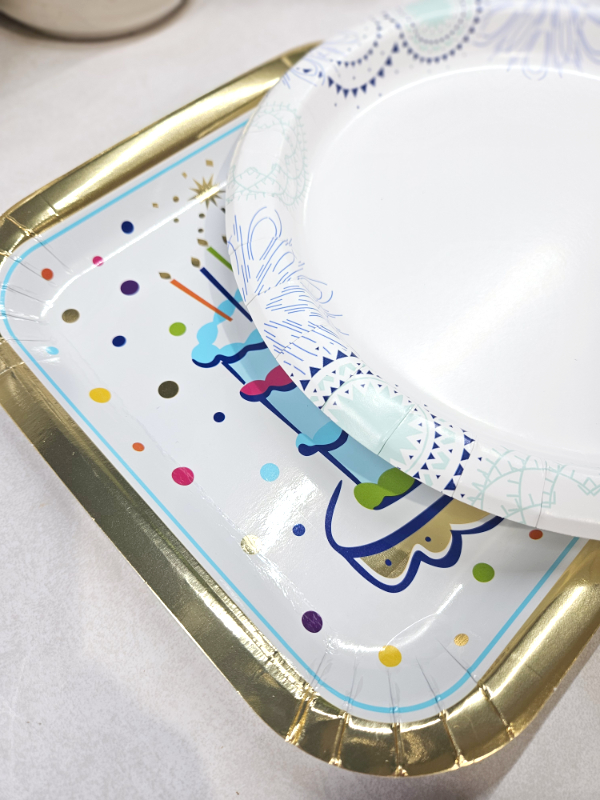
Used plain paper plates are another great option for compost piles. Just make sure the plates don’t have a waxy or plastic coating. Plates made from plant-based fibers are typically good to go.
You can also add bathroom products like used tissues and Kleenex. They just have to be made up of 100% paper fibers. (If you are fighting a cold or allergies, that can add up to a lot of used tissues kept out of landfills!)
Tissues that have been used for runny noses, colds, or saliva can be included. Skip adding any tissues that were made using lotions or perfumes. Also, don’t add tissues that were used to clean up blood, vomit, or cleaners.
Other Household Items You Can Compost
There are plenty of other everyday items you can compost throughout your home. The first is shredded paper. If you are my household, you are likely drowning in mailers, bills, school assignments, envelopes, printer paper, newspapers, and more.
Avoid adding paper that is glossy or shiny. This includes catalogs, photo paper, and magazines. Also don’t compost laminated paper, wax-lined paper, or foil-lined paper/envelopes. If you have envelopes, remove any of the plastic windows before composting.
You can also compost fabric scraps that are 100% natural cotton. Avoid adding any synthetic fabrics like nylon, polyester, and acrylics. Always cut down scraps into smaller pieces so they can break down faster.
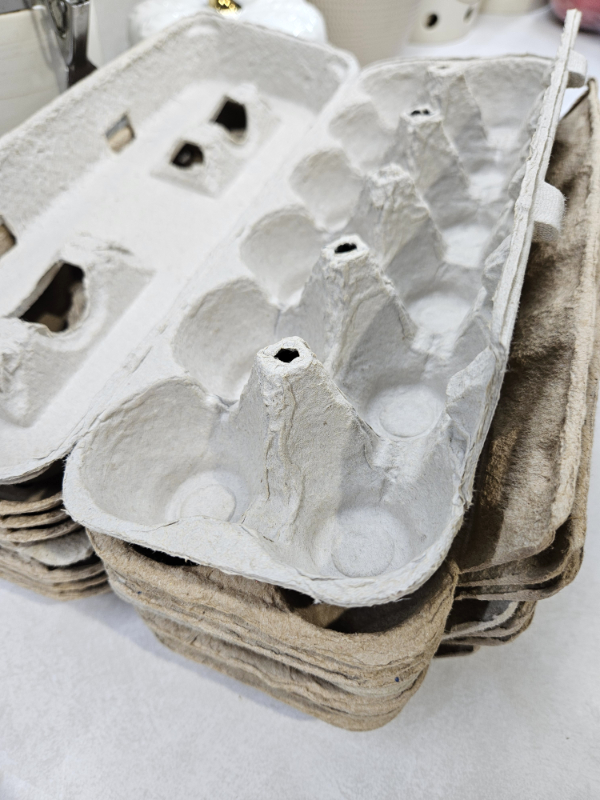
If you don’t raise chickens and have no use for your paper egg cartons, they are perfect for adding to home compost piles. Rip them into smaller pieces and toss them into the pile. The same goes for those paper drink carriers that a lot of fast food places hand out.
If you are someone who packs your or your kids’ lunches into brown paper bags, toss the used bags into your compost to add even more brown materials. Paper grocery sacks are the same.
Check Before You Compost
Keep in mind that just because an item is made from cardboard or paper doesn’t automatically make it acceptable. For example, most receipts are made from thermal paper and contain chemical coatings. It’s best to recycle these items instead of composting them.
Avoid any synthetic materials or plastics, no matter what the item is. If these materials are present, recycle or toss them instead of composting.
Do not compost anything with a wax coating. For example, disposable paper cups are coated in wax. Most wax coatings are made from petroleum-based paraffin wax that isn’t capable of breaking down in home compost piles. In addition, the wax prevents microorganisms and fungi from breaking down the materials, and it adds synthetic chemicals that you don’t want in finished compost.
Also, while droppings and manure from cattle, horses, sheep, ducks, rabbits, and chickens make for excellent compost, don’t add these items from cats or dogs. Their feces often contain parasites and pathogens that home compost piles can’t kill off. (Although pet and human hair are good to go!)
Should I Or Shouldn’t I?
If you aren’t sure what you should and shouldn’t compost from your household, I have an article, “Materials To Not Compost – 12 Items To Leave Out And Why” that will help answer those questions. You can always send me a message as well, and I will let you know my opinion.
No matter what, the main goals are to keep more items out of landfills and create amazing finished compost that you can use to power your plants. Be sure to check out my other articles on composting to make sure you are making the best compost possible for your garden.
Until next time, thanks for stopping by!
– Chelsea
*This post may contain affiliate links. These are products I have used personally and highly recommend. As an Amazon Associate, I may earn a small commission from qualifying purchases if you purchase items through my links. These links and the ads on this page help to support my family and our semi homestead, so Thank You!
Discover more from Semi Homestead Life
Subscribe to get the latest posts sent to your email.