
For those of us living in Hardiness Growing Zone 5, September is definitely a month of transition when it comes to gardening, so having a list of tasks can make your “To Dos” seem a bit less overwhelming.
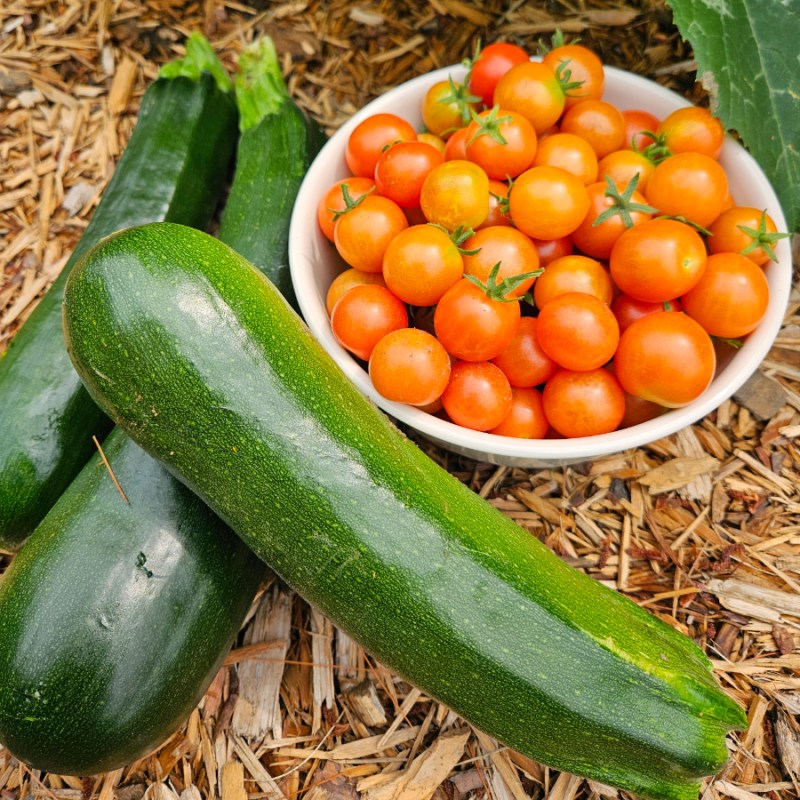
September brings about the arrival of cooler temperatures and shorter daylight hours. Many of your summer plants are still producing, while others are starting to die back and are at the end of their lifespan.
In addition, you are likely starting to get a bit burnt out with all your gardening chores. After a long, hot summer of growing plants, battling pests, fighting off diseases, watering, pruning, and harvesting, it would be nice to just sit back and relax. (And for those with kids, we are also dealing with back-to-school and everything that brings about!)
Unfortunately, September is not a month for relaxing if you live in Zone 5. In fact, it will likely be one of your busiest months to date. This checklist will help you make the last big push you need to set yourself up for success as you prepare for the arrival of fall and winter.
Note: To learn what your specific Growing Zone is, check out the USDA Plant Hardiness Zone map. You simply enter your ZIP code, and it will tell you which zone you are in.
Keep Harvesting Your Garden
Just because summer is starting to end doesn’t mean you should stop harvesting your garden. Continue to go out to your garden and pick ripe fruit or flowers every couple of days. This will help encourage the plants to keep on producing more, albeit a bit slower than they would during the peak of summer.
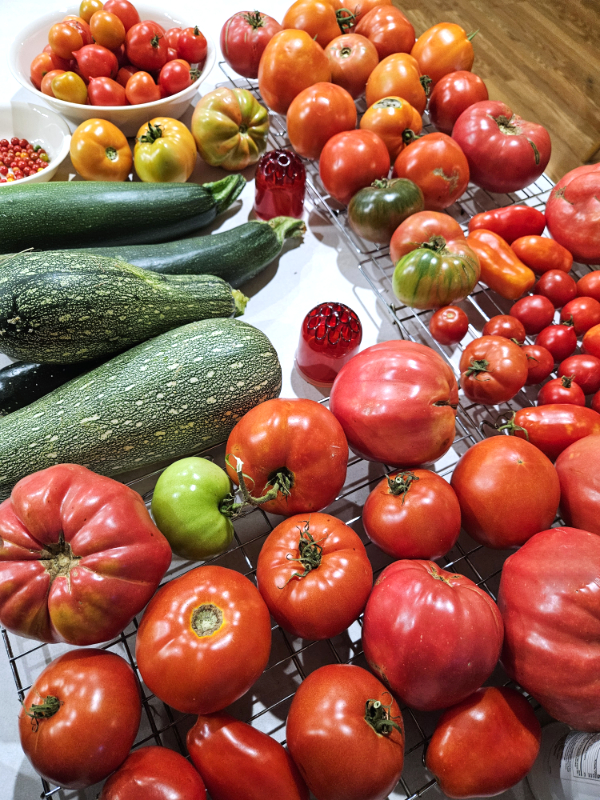
Obviously, what you can harvest will depend on the crops growing in your garden as well as the weather. For those of us in Growing Zone 5, weather-wise, we usually have a mix of everything during this transition month. We can experience everything from 90º Fahrenheit days down to nighttime temperatures of 40º F.
Keep an eye on your Tomatoes, Peppers, Cucumbers, Zucchini, and other Summer Squash. You might even be getting harvests from crops you planted in June and July, like Green Beans, Potatoes, Beets, Onions, Winter Squash, Brassicas, and more. Preserve all those garden goodies as you go along by canning, freezing, dehydrating, etc.
Plant Fall Crops – September Gardening Tasks
For the most part, many of the crops you enjoyed all summer long cannot be replanted for a fall harvest. However, there are still a few fast-growing crops you can get in the ground even as late as September here in Zone 5.
The key is to find plants that thrive in cooler climates, can withstand fluctuating temperatures, and mature quickly. Think cool-weather crops that have short days to maturity. Some of the best crops to try are Arugula, Green Onions, Kale, Leafy Lettuces, Radishes, Spinach, Swiss Chard, and Turnips.
If you are growing these crops in soil that already produced harvests for you during the summer, amend the soil with compost or light fertilizers. All of those nutrients within the soil have likely been used up and now need replenishing.
Collecting & Saving Seeds
September is the perfect time to start (or continue) collecting seeds from the open-pollinated vegetables and flowers in your garden. This includes everything from heirloom tomatoes to many of your annual and perennial flowers.
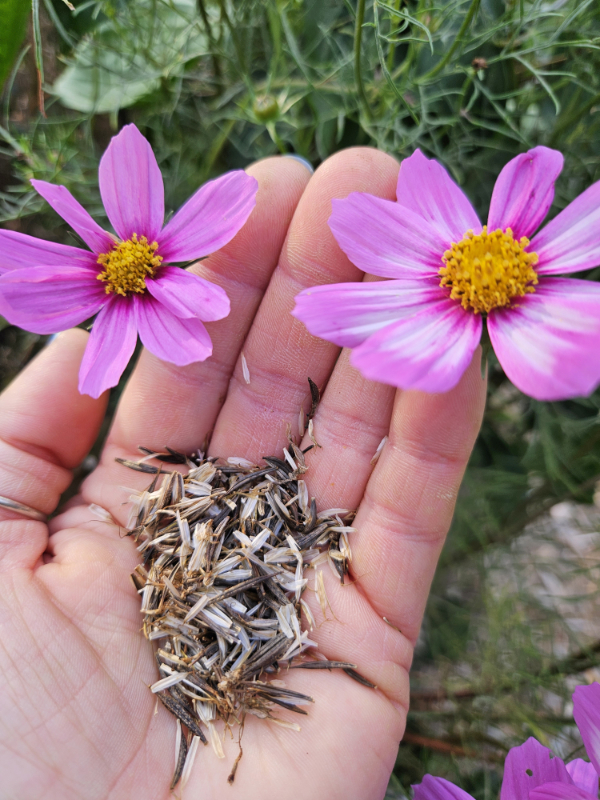
Collecting seeds is one of my favorite things to do in the garden this time of year. Not only can it help me save money when purchasing seeds each spring, but it also ensures that I have seeds on hand when it’s time for planting the following year.
I have loads of articles about collecting and saving seeds. The main keys to keep in mind are that you can only have success with open-pollinated plants and that the seeds have to be stored properly. Here are some of my articles you can check out on saving seeds in general as well as specific plant varieties:
- How To Save Garden Seeds – Open-Pollinated Vs Hybrid Seeds
- Storing Saved Seeds – Preserving Vegetable & Flower Seeds
- Using A Seed Inventory List – Includes A Free Downloadable PDF
- Fermenting Tomato Seeds – Save Your Favorite Tomato Plants!
- Saving Coneflower Seeds – How To Save Echinacea Seeds
- How To Save Marigold Seeds – Easily Harvest Seeds For Spring
- Saving Strawflower Seeds – Selecting, Collecting & Storing
- Snapdragon Seeds – Saving Tiny Seeds Of These Unique Flowers
- Saving Nasturtium Seeds – Grow Amazing Plants All For Free!
- Harvest And Save Cosmos Seeds To Plant In Next Year’s Garden
- Save Zinnia Seeds – Harvesting & Storing Zinnia Seeds For Years
Cleaning Up Plants & Weeds – September Gardening Tasks
As the month of September goes along here in Growing Zone 5, there are some plants that are definitely on their way out. They’ve provided you with loads of pretty blooms or produce to harvest, and now it’s time for them to be done.
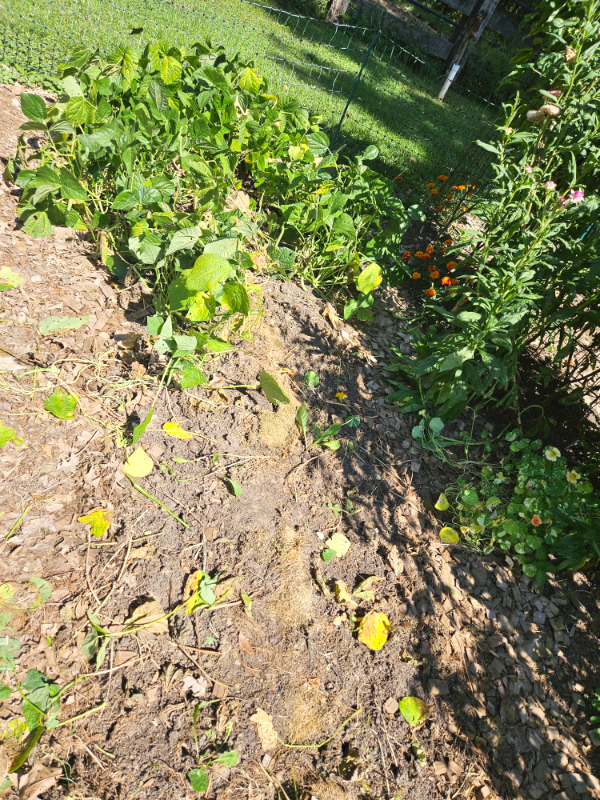
Once plants start to fade, pull them from your garden space. If they are not diseased or overrun by pests, chop them up and add them to your compost pile. (Don’t add any plant matter from tomatoes.) Otherwise, dispose of them far away from your garden.
The longer you allow plants to deteriorate and break down in the garden, the higher the chances are that they will get overrun by pests and diseases. And while some people say you shouldn’t clear out a garden in the fall, I am a big proponent of doing so. (You can read more about why here: “Cleaning Out The Garden In Fall – 7 Tips To Get Ready For Spring”.)
For your flowers, remove any spent blooms as well. If you plan on leaving the seed heads for birds during the wintertime, then skip deadheading or pruning just those plants. (I like to do this with my coneflowers and my sunflowers.)
Clean And Cover As You Go
In addition to clearing up the dying plants and deadheading, pull and remove weeds that have taken root. Don’t allow them to come to seed, or else you will have an even bigger mess on your hands come next spring!
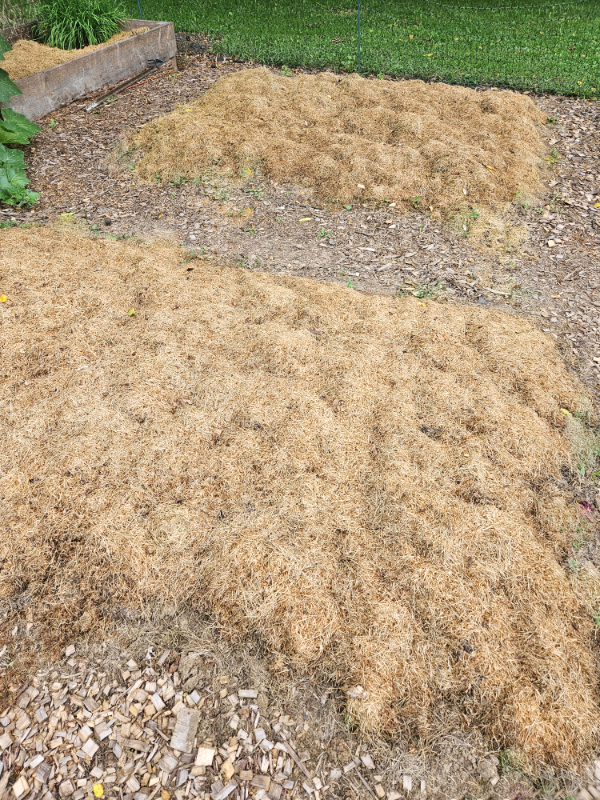
If you have an area in your garden that is now free of plants, go ahead and prepare it for overwintering. This can mean any number of things depending on your garden plan and goals.
Some people till the soil one last time before fall, while others leave it as is. Either way, don’t allow the soil to go bare since that is only an open invitation for weed seeds to take hold. Adding new soil or compost now will make spring planting that much easier.
Whether you mulch the ground or use a living cover crop, both options work well. I’ve done a variety of both but tend to stick to using mulch anymore since our growing season can be a bit crazy, and it can be hard to get a cover crop planted in time.
For mulch, I like to use grass clippings if our yard is still growing strong and healthy (which it usually is at least in early September). As the month goes along and the trees start to lose their leaves, I transition to using mulched leaves or even pine needles.
Divide and Transplant Perennials
The early fall is a perfect time to divide and transplant some of your established perennials growing around your property. When doing it in September, this allows the new transplant’s roots to become established and start to grow before winter begins.
If your plants are becoming overcrowded or have outgrown their space, it’s probably time for dividing. When plants get too overcrowded, they are more susceptible to diseases that thrive when there isn’t enough airflow around plants.
In addition, look for plants that have dead or dying centers. In addition, if your established perennial flowers have stopped blooming or have slowed down in bloom output, they might need dividing as well.
Some great plants to divide in the fall include Black Eyed Susan, Coneflowers, Daylilies, Hostas, Irises, and Peonies. Just be sure to research and check that the specific perennial you want to divide can be split and transplanted in the fall. For some perennials, it’s better to wait until spring to tackle this task.
Plant Spring Bulbs – September Gardening Tasks
This gardening task is more for the end of September, and that is to plant your spring bulbs. Think Alliums, Crocuses, Daffodils, Hyacinths, and Tulips.
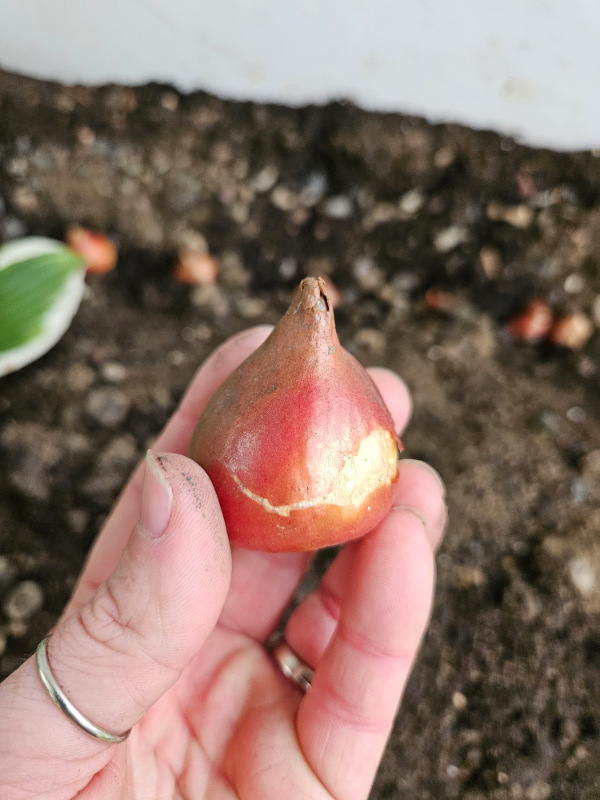
The timing of this really depends on whether you are in Northern Zone 5 or the Southern portion. Those further South can get away with waiting until October. You can even plant into early November as long as the soil is still workable, but I would advise against doing that if you can help it.
The “sweet spot” is to aim for around 6 to 8 weeks before the ground freezes in your location. Granted, this timeframe can vary year to year, but you can figure out an average and use that as your main guide.
Check the soil temperature before planting. It should be around 40 to 50º F for the best success. If you plant the bulbs in too warm of soil, it can cause them to sprout prematurely.
Plant Trees, Shrubs, and Perennials
Many people seem to associate springtime as the perfect time to plant fruit trees. While this is true in some regards, the fall can also be an excellent time for planting fruit trees, shrubs, and other perennials.
Not only can you usually get a great deal on discounted or clearance trees in growing centers and greenhouses (they are usually looking to get rid of inventory for the year), but the fall usually creates less stress on newly planted items. The soil is still warm enough for the plants to establish roots without the stress of the heat and humidity that comes with spring planting.
When spring does arrive, the trees or shrubs can focus more on above-ground growth as opposed to getting their roots established. I have a whole article on the positives of planting trees in the fall as well as tips for success: “Plant Fruit Trees In The Fall – Get A Head Start On Spring Growth!”
Order Garlic For Planting In October – September Gardening Tasks
If you haven’t already done so, September is the time to order your garlic for planting. Use a reputable source or find garlic that grows well in your location and zone. Those of us in Growing Zone 5 can get away with planting both softneck and hardneck garlic. However, I’ve had much better success with hardneck varieties.
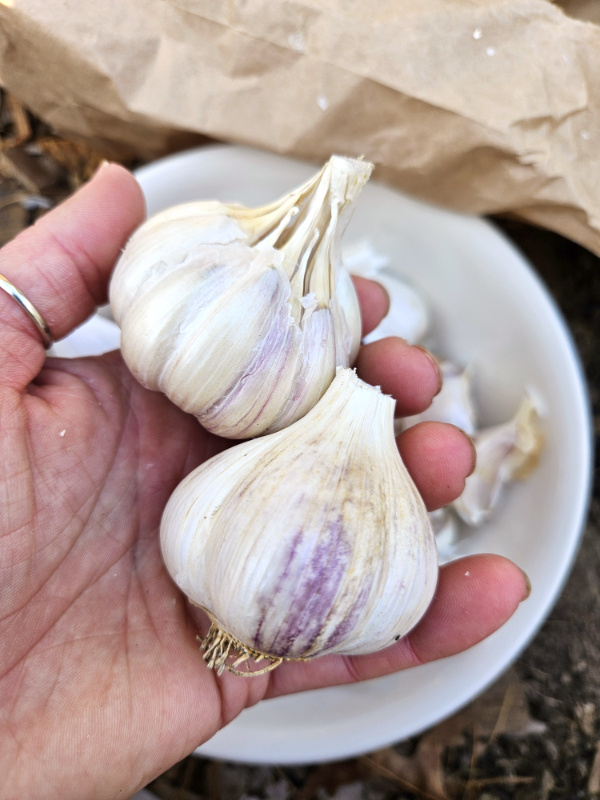
We’ve been growing and saving seed from the same garlic now for several years. So while I don’t need to order new seed in September, I do go through the garlic we harvested this year and set aside the biggest and healthiest bulbs for separating and planting.
As far as planting is concerned, I like to aim to get my garlic cloves in the ground around mid-October. I’ve done anywhere from the 6th through the 22nd of October, but I try to aim for mid-month.
In addition to ordering your garlic, also get the soil in the raised bed or area of your garden ready as well. Amend the soil with plenty of compost to help replenish nutrients that might have been lost during the growing season. Remove any weeds or unwanted plants as well. Till or loosen up the soil if needed. That way, when October does arrive, you can be ready to go whenever the weather allows for garlic planting.
Plan For Fall – September Gardening Tasks
Lastly, start to think about fall and what you need to do with your garden. Even though it is meteorological fall, it isn’t fall according to the calendar until the end of September. When that time comes, there will be several chores to tackle before you can finally relax for winter.
For example, in the fall you need to clean out your whole garden to prevent overwintering pests and disease. You will also want to prepare for the first frost, whether that means covering plants, bringing sensitive plants indoors, or clearing them out of your garden completely.
If you haven’t done it yet, take pictures or jot down what crops you planted where in your garden. It’s easy to remember now, but by the time next spring rolls around, you might easily forget. Doing this helps you rotate crops and treat/fertilize any soil that might need a boost for next year.
By the end of September, fall will officially be here. Make that last hard push to set yourself up for success for next year and enjoy the weather while you can. We’ll all be complaining about freezing temperatures and snow before you know it!
Until next time, thanks for stopping by!
– Chelsea
*This post may contain affiliate links. These are products I have used personally and highly recommend. As an Amazon Associate, I may earn a small commission from qualifying purchases if you purchase items through my links. These links and the ads on this page help to support my family and our semi homestead, so Thank You!
Discover more from Semi Homestead Life
Subscribe to get the latest posts sent to your email.