
If you are looking for a unique flower that pushes out stunning, colorful blooms in the cooler temperatures of spring, then consider planting and growing snapdragons! Whether you grow them from seed or grab transplants from your local garden center, snapdragons are a great addition to any property – both inside and out!
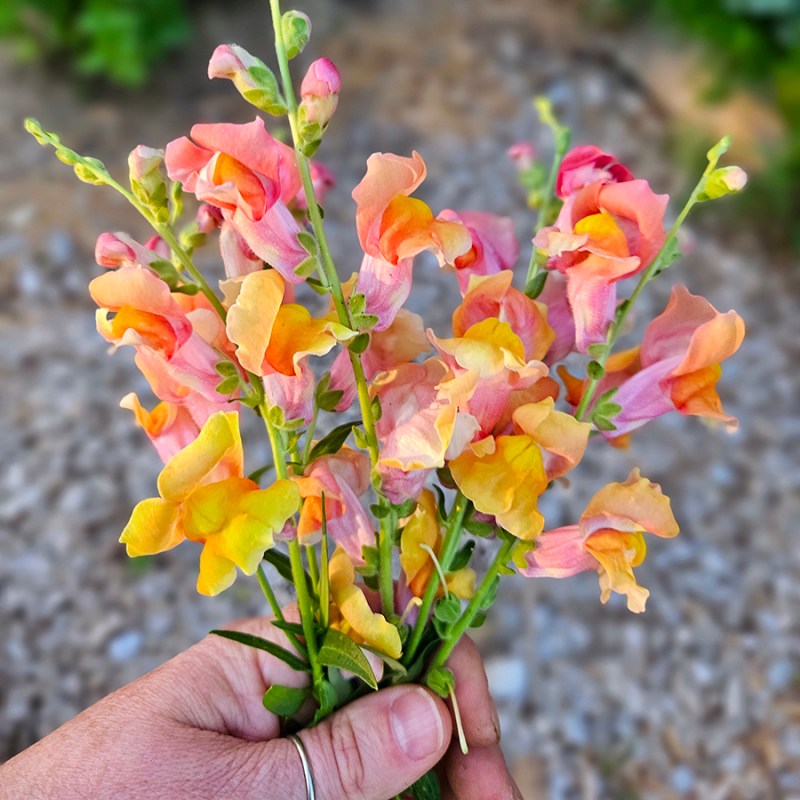
Not only do snapdragons look stunning in your garden with their tall spikes of multiple colorful blooms, but they also make excellent cut flowers as well. Grown as an annual in most locations, snapdragons are relatively easy plants to grow. As long as they have access to sunlight and water, they will provide blooms for multiple weeks at a time.
Snapdragons often reseed, providing you with multiple years of blooms from a single planting. If you live in a location with colder winters, then you have the built-in benefit of natural cold stratification. Otherwise, winter sowing also works great if your goal is to grow snapdragons from seed.
If you don’t want the snapdragons to reseed, then simply cut them while the blooms are still opening to brighten up your indoor spaces as cut flowers. (I even used snapdragons in my wedding bouquet, so I can personally attest to how well they hold up as cut flowers!)
But the positives of planting and growing snapdragons news doesn’t stop there! These special flowers are deer-resistant, and they are left alone by other common garden pests like rabbits once they are established. This makes them a great choice for almost any homeowner!
A Bit About Snapdragons – Planting & Growing Snapdragons
Snapdragons are excellent flowers for producing showstopping blooms during the cooler spring months. This is because they are considered cool-weather plants.
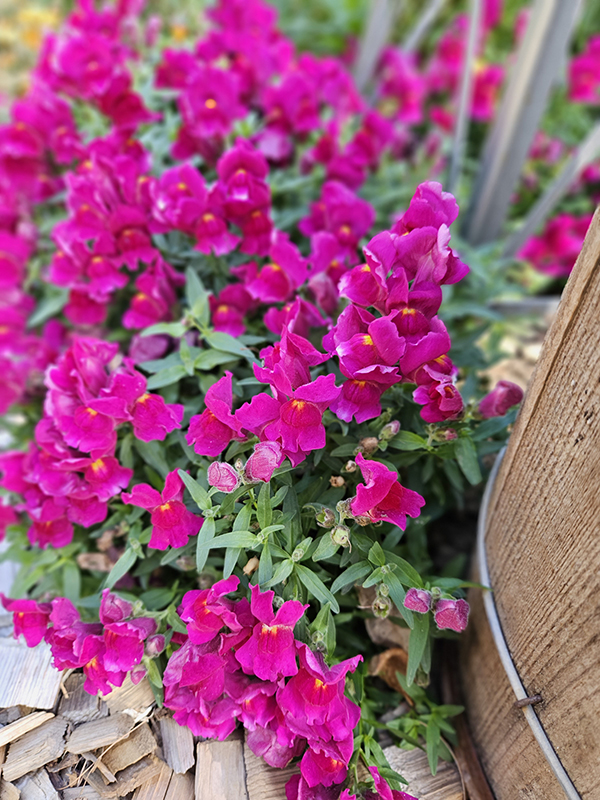
Snapdragons thrive during the cooler temperatures and then start to fade once the heat of summer arrives. If you are lucky, they might even start to produce another batch of blooms again in the fall.
For those living in Growing Zones 8-11, snapdragons can be grown as perennials. Here in Illinois (Growing Zone 5), snapdragons are usually grown as annuals. However, as the flowers fade, the seeds often fall to the soil. Once spring arrives after a cold winter, those seeds will sprout and start to grow. This allows you to enjoy many years of beauty from a single planting.
What Makes Snapdragons So Unique?
Earlier, I mentioned that snapdragons are a unique flower. So what makes them so unique and different?
Unlike most plants that produce a few basic blooms on top of their stems, snapdragons produce a cluster of smaller blooms along tall spikes. These spikes can be anywhere from 4 feet tall to as little as one foot for dwarf varieties.
However, the uniqueness comes into play with the blooms themselves. The name of these blooming flowers should give you a bit of a hint as to what makes them special.
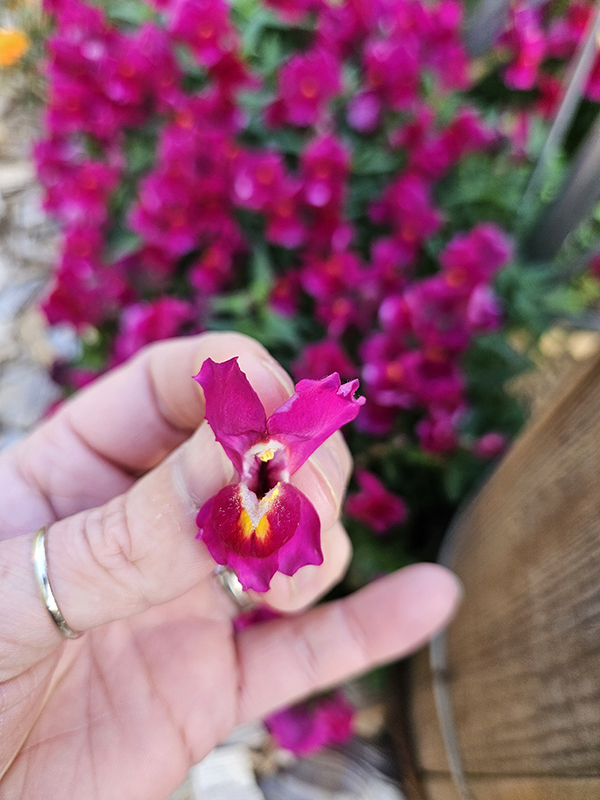
Each bloom features hinged petals that can actually open and close. If you squeeze the sides of the bloom, the flower opens and closes, looking like the mouth of a dragon – hence their fun name!
Even though the blooms are technically “closed” in their natural state, pollinators like bumblebees don’t have any problem landing on the bottom and “opening” up the blooms. So be careful if you want to give a bloom a squeeze; You might wind up squeezing a pollinator as well!
Starting Snapdragons By Seeds
Snapdragons aren’t the fastest growers. Since they like to bloom in the cooler spring months as opposed to during the summer, that means you need to start seeds indoors in late winter/early spring to give them a head start.
Aim to start seeds indoors about 8 to 10 weeks before planting them outside. If you want step-by-step tips on growing snapdragons from seed, check out my beginner’s guide, “Indoor Seed Starting 101 – A Complete Beginner’s Guide”.
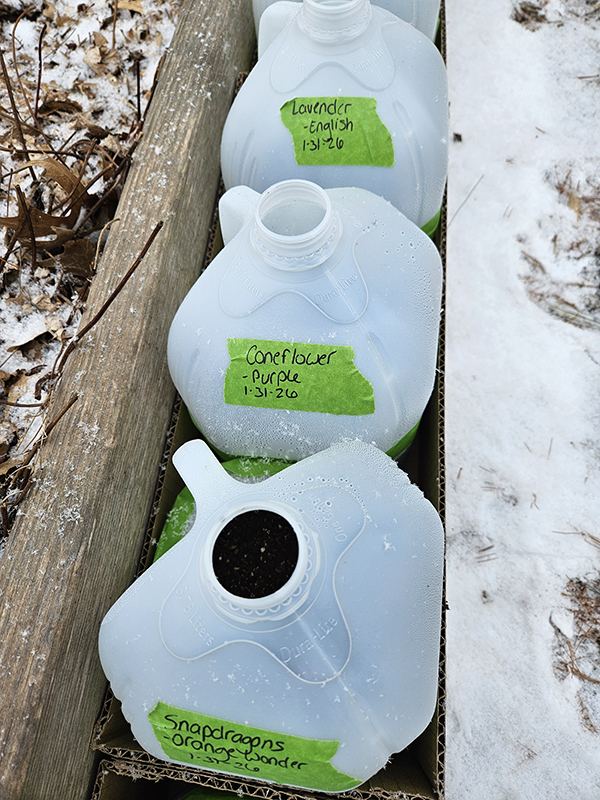
When starting the seeds indoors, snapdragons can benefit from cold stratification. To do this indoors, place the seeds in your refrigerator for 2 to 4 weeks.
Alternatively, you can also winter sow seeds if you prefer. This lets Mother Nature dictate the timeline of when they germinate, as well as takes care of the cold stratification process. For information about winter sowing, visit my guide, “6 Steps For Winter Sowing – Starting Garden Seeds Outside”.
Tips On Planting Seeds – Planting & Growing Snapdragons
Don’t expect to plant snapdragon seeds individually. (If you do, you have much better eyesight and patience than I do!) Snapdragon seeds are SUPER tiny and dark in color. I find that a light sprinkle of seeds over the soil is the best method. You can always thin the seedlings once they are a few inches tall.
Keep in mind that snapdragon seeds require light in order to germinate. That means you need to sow them right on the surface of the moist soil. Press them gently in place after.
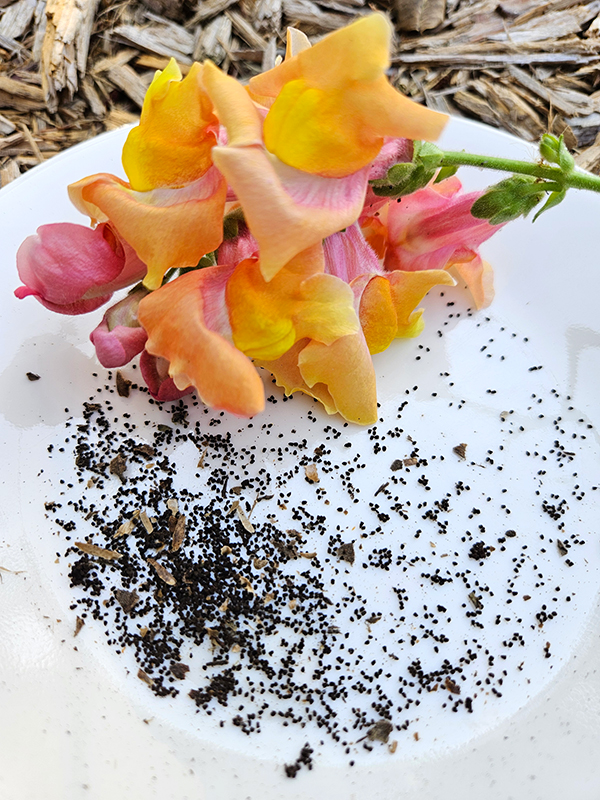
If starting seeds indoors, turn your grow lights on and wait for them to germinate. Germination can take around two weeks, so be patient! Keep the soil moist while you wait. I like to use the misting setting on a spray bottle of water so as not to disturb the tiny seeds.
Planting Snapdragon Transplants
You can plant the transplants as soon as the soil is workable. This usually occurs once the nighttime temperatures stay above freezing. While snapdragons can tolerate light frosts, avoid any hard frosts or freezes.
Choose a location in your garden that receives full sunlight (i.e., at least 6 to 8 hours a day). For warmer locations, providing some afternoon shade can help prolong blooming deeper into the summer months.
Snapdragons can grow in about any type of well-draining soil. Four plants per square foot is ideal, but I’ve been known to push that number to much higher!
Just keep in mind the type of snapdragon varieties you are growing when choosing your location. Some taller varieties may require staking or support, especially if they are grown in a location that receives strong winds. Adding a net over the top of the plants before they get too tall is a great way to keep taller stalks upright.
These unique flowers can also make great additions to containers, raised beds, or large planters. Play around with their mature heights to provide different levels of visual interest to your flowering spaces. For taller snapdragon varieties, plant them behind shorter blooming flowers or foliage plants.
Caring For Snapdragons – Planting & Growing Snapdragons
Snapdragons can become a bit leggy. To help prevent this and to create bushier, fuller plants, pinch the tops off when the seedlings are around 6 inches tall. I know it can seem counterintuitive, but it will encourage the plants to branch out.
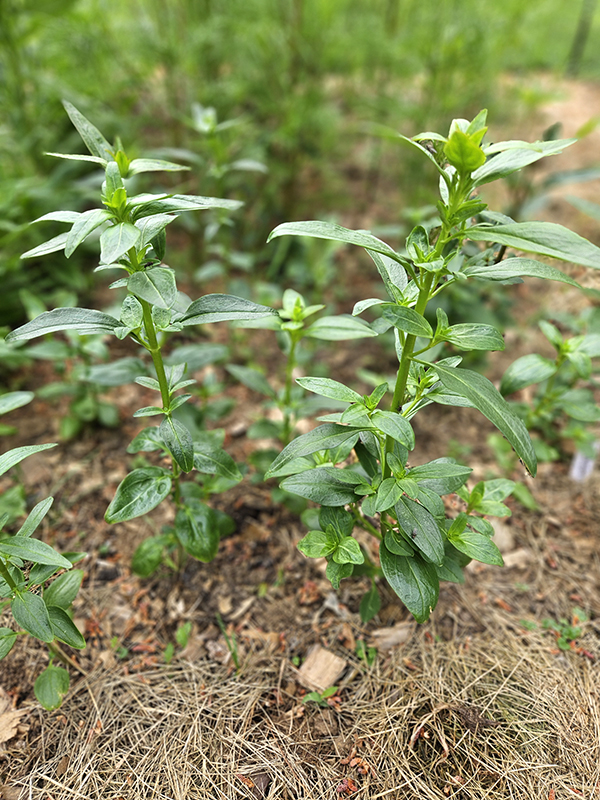
Snapdragons like consistent water, especially new transplants that are still establishing. To check the moisture level, stick your finger into the soil. If it is dry about an inch down, give the flowers a good drink. Once plants are established, provide them with about an inch of water each week if there is no rainfall. Always water at the base of the plants if at all possible.
To help the soil retain moisture, add a natural mulch around the base of the snapdragons. This can be hard to do if you have a huge patch of growing flowers, but the mulch will help keep the soil cooler for longer.
While the blooms typically will die back during the hotter summer months, consistent watering can allow plants to bloom a second time in the fall. There are some newer varieties out there now that are bred to withstand warmer temperatures, so do a bit of research if that is important to you.
If you want to save your open-pollinated snapdragon seeds, I’ve got an entire article dedicated to that topic. You can find that article here, “Snapdragon Seeds – Saving Tiny Seeds Of These Unique Flowers”.
Common Snapdragon Issues – Planting & Growing Snapdragons
Indoor-started seeds are usually only bothered by the usual issues, like damping off and fungus gnats. Bottom watering can help prevent both of these issues from occurring.
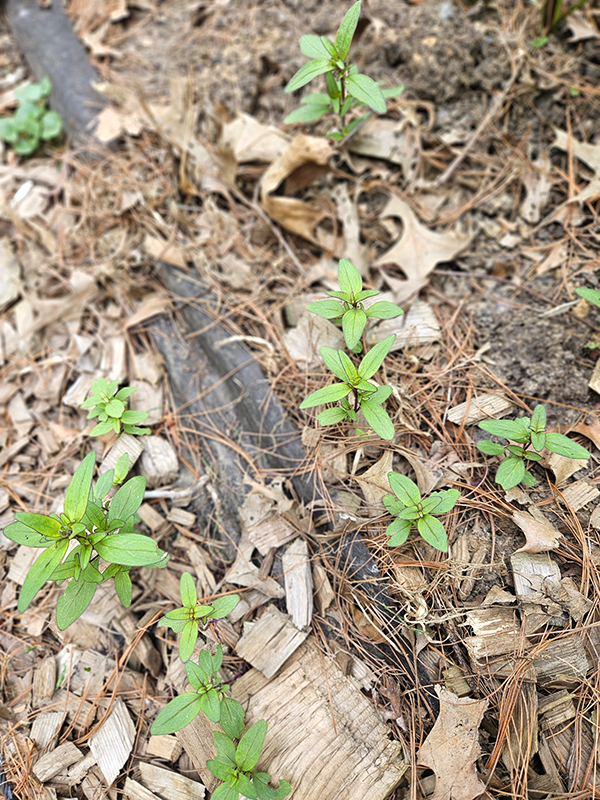
As for the plants grown outside, snapdragons can become victims of snapdragon rust, a fungal disease that thrives in colder temperatures, as well as powdery mildew. If you notice any signs of rust or mildew, remove the plants immediately to try to stop the spread.
Providing plants with proper airflow and correct spacing can help prevent both rust and powdery mildew. Otherwise, mature plants are fairly pest and disease-free.
Reseeding can be an issue for some. If you don’t want volunteer snapdragon plants to pop up the following spring, cut the spent blooms off before they start to dry out and drop their tiny seeds. This is also called deadheading.
Cutting Blooms For Bouquets
If your goal is cut flowers, snapdragons are a great choice. With the proper care, the blooms can stay vibrant and fresh for over a week. (For other great cut flower options as well as tips on incorporating them into your vegetable garden, see “Cut Flowers In A Vegetable Garden: Mixing Beauty With Benefits”.)
When harvesting snapdragon blooms, make your cuts either early in the morning or towards evening. Choose a stem that has only about a third of the blooms open, and the rest closed. (Snapdragon blooms open from the bottom up.)
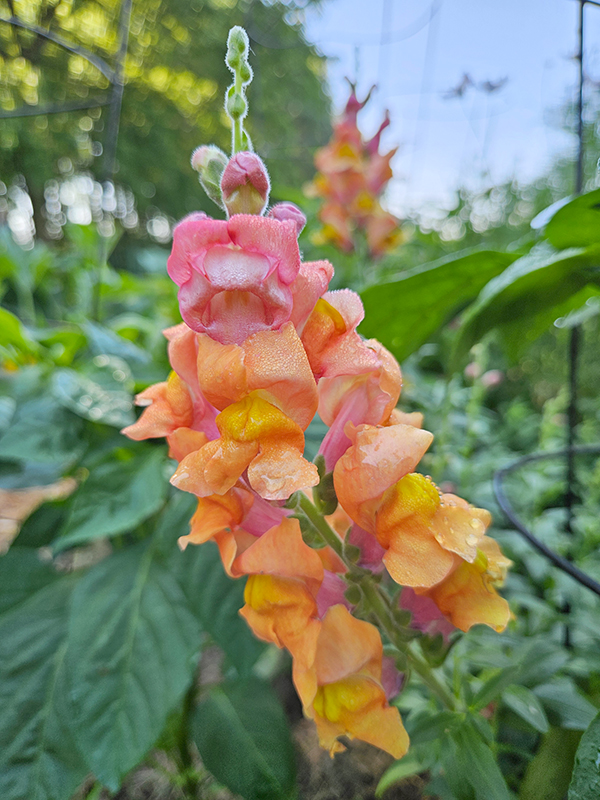
Cut the stem at a 45º angle several inches below the blooms. Go all the way down to the base of the plant if desired. Use a pair of clean pruners to tackle this task. I love to use my Fiskars Bypass Pruning Shears (Product Link) for harvesting cut flowers.
Remove all the lower leaves on the stem, especially those that will be submerged under water. Immediately place the stems in fresh cool water. Add more water as needed. The remaining closed blooms should start to slowly open up over the next week.
Allow some of the flowers to dry out and go to seed naturally on the plants, and you will have many years of stunning blooms from these unique flowers!
Until next time, thanks for stopping by!
– Chelsea
*This post may contain affiliate links. These are products I have used personally and highly recommend. As an Amazon Associate, I may earn a small commission from qualifying purchases if you purchase items through my links. These links and the ads on this page help to support my family and our semi homestead, so Thank You!
Discover more from Semi Homestead Life
Subscribe to get the latest posts sent to your email.