
When it comes to purchasing garden seeds or plants from your local garden center, it can be super easy to get overwhelmed or confused with all the different labels. Terms like Heirloom, Hybrid, Organic, Non-GMO, and Open-Pollinated are everywhere. But what do all these labels actually mean, and how does properly understanding these plant terms and their differences make such a big difference in how your plants grow and produce?
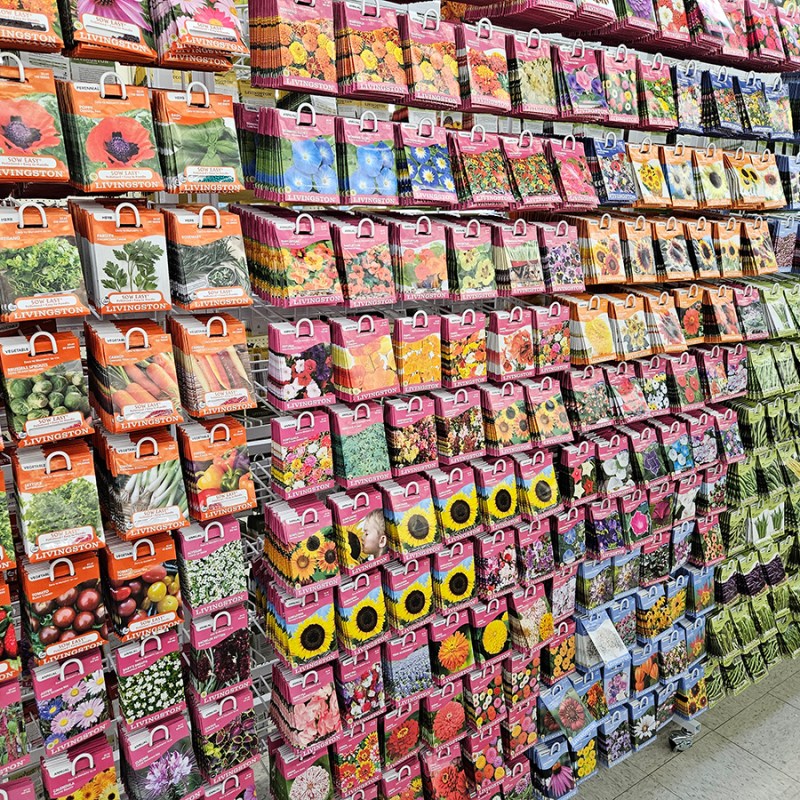
Nowadays, it seems like everything you buy is covered with different buzzwords and labels. This is especially the case in grocery stores and farmers’ markets. Just walk down the egg aisle and read all the different labels on the cartons. You’ll know exactly what I mean! (Those terms are a topic for a whole separate article for another day!)
Some of the same buzzwords you see on egg cartons, though, you can see on your seed packets and plant labels. But what is the truth about terms like non-GMO or organic? Are these crops actually healthier, and will they produce superior produce?
This article will walk you through 5 of the most common buzzwords/terms you might come across on plant and seed labels. Learning exactly what they mean can help you determine if the particular plant is right for you and if it’s actually worth shelling out the extra money for something just because of its label.
Term #1: Open-Pollinated
The first of the plant or seed terms I want to give you tips on understanding is “Open-Pollinated.” This is probably the least common plant label you will come across. Instead, another popular buzzword often takes its place: Heirlooms. (See Term #2 below.)
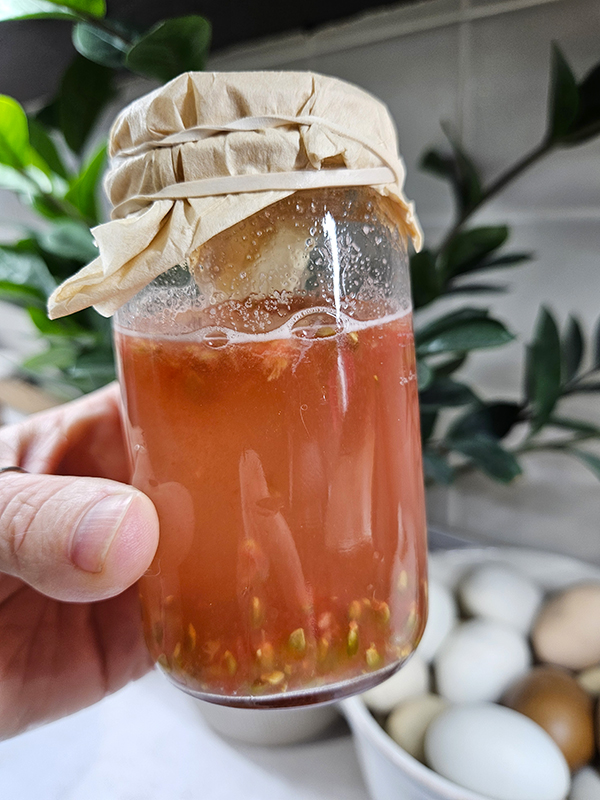
When it comes to growing crops, there are two main types of plants: Hybrids and Open-Pollinated plants. We’ll get to hybrids in a minute, but let’s first talk about open-pollinated plants and seeds.
As the name suggests, open-pollinated plants are those that are pollinated either by self-pollination or cross-pollination using natural means. Out in the open, so to speak! Wind, water, birds, bees, butterflies, and other pollinators all come into play in creating open-pollinated plants.
If you were to save the seeds from these types of plants, the seeds would grow into genetically identical copies of the parent plant. They are considered to be “true to type” seeds. The characteristics of the plants grown by these seeds will be almost identical to those of the parent plant.
These are the only types of seeds you can save from your garden and have 100% confidence in knowing what you are going to get year after year. There are no surprises when saving seeds from open-pollinated plant seeds. (For more information about saving seeds, check out my article, “How To Save Garden Seeds – Open-Pollinated Vs Hybrid Seeds”.)
Term #2: Heirloom– Understanding Plant Terms
Heirlooms are a specific type of open-pollinated plant. Not all open-pollinated plants are also heirlooms, but all heirlooms are open-pollinated plants. (Hopefully that makes sense!) However, the term “Heirloom” gets tossed around quite often, and often without much consensus as to what it really means.
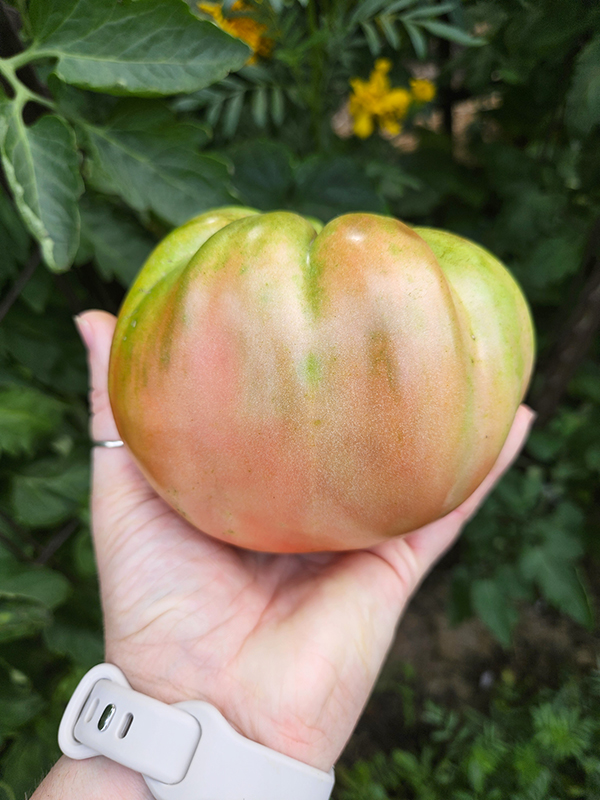
Most often, heirloom plants are those that are older and have been around for generations. Some sources state that in order to be considered an heirloom, it needs to have been around for 50 years. Other sources say the timeframe is even longer.
Back in the day, heirloom seeds were passed down from generation to generation. They are usually cherished for their intense flavor and ability to adapt to a particular climate or growing location. For example, there are likely heirloom seeds that are specific to Illinois and the Midwest. Others might be better suited for the South.
The issue with heirloom crops is that they tend not to always have the best resistance to diseases or pests. Sometimes they have poor yields. Some of them also produce rather interesting-looking fruit or vegetables as opposed to those perfectly round and smooth veggies you see in grocery store shelves. (I like to think that heirloom crops have character!)
However, their superior flavor, history, and the fact that I can save their seeds are what draw me to growing heirlooms in my garden.
Term #3: Hybrid – Understanding Plant Terms
The other main plant type besides open-pollinated plants is Hybrids. These crops are created by combining two similar crops that have different traits. This new plant is considered a hybrid.
You will often see this on seed packets represented with an “F1” or “F2” behind the variety’s name. A lot of times, hybrids are created for specific traits, like pest or disease resistance, higher yields, color or other characteristics, or longer shelf life.
If you save the seeds from a hybrid plant, the new plant will not be an identical copy of the parent plant. Instead, the new plant will have characteristics of one of the original plants used to create the parent plant. Sometimes, hybrid seeds are even sterile, which means they either won’t germinate or you won’t get any fruit or blooms to show at all!
So if your goal is to have protection against different pests or maybe a disease that plagues you, then hybrids are a great option. They are also good if you want to have higher yields since most of these hybrids are created to be well-producing. But if your goal is to save the seeds for future years, then stick to open-pollinated plants.
I grow both hybrids as well as open-pollinated (heirloom) plants in my garden. I like having the flavor profiles and history of the open-pollinated seeds (and the fact that I can save their seeds). But I also like some of the more disease-resistant crops that are also heavy producers. So I grow both!
Term #4: GMO or Non-GMO
GMO, or Genetically Modified Organism, refers to plants that have been genetically altered in a lab using genetic engineering rather than traditional methods. These are crops that have had genetic material (DNA) from one organism injected into a completely different one to achieve something specific. A lot of times, growers use GMO seeds to help protect crops from pesticides and certain pests.
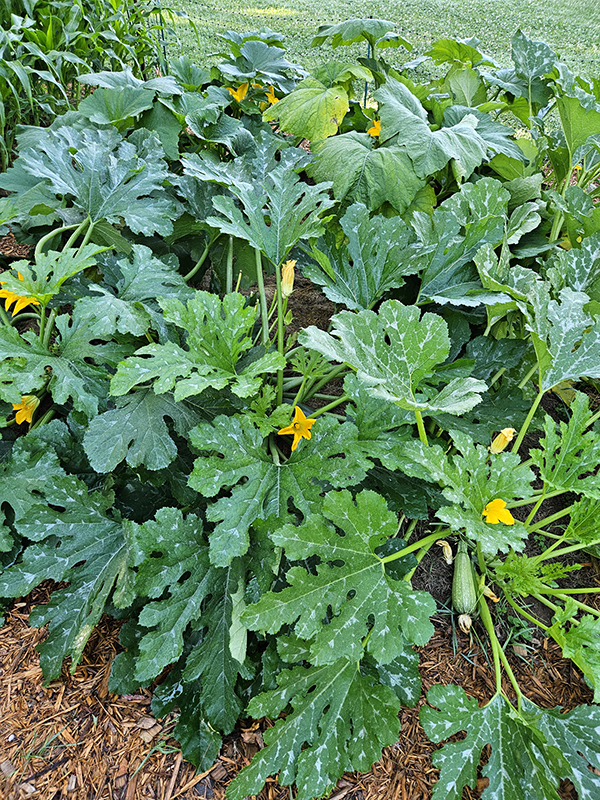
I am not going to go into details about whether GMO crops are good or bad. You can do your own research on the topic and make your own assessment on the topic. I am just going to talk about whether or not you need to worry about whether the seeds or plants you purchase are GMO or not. And the truth is, they are not.
In the United States, there are only nine crops that are available at a commercial level using genetically modified seeds: Alfalfa, canola, corn, cotton, papaya, potatoes, soybean, squash, and sugar beets. The key to keep in mind is that they are only available commercially, on a large-scale measure.
There are no seed companies selling GMO seeds in stores or to garden centers. I’ll repeat that – you cannot purchase GMO seeds for your vegetable garden. (Source)
Any time you see a seed packet or plant that is labeled with “Non-GMO” or a company that has taken the “safe seed pledge” (i.e., a statement that says they will not knowingly buy, sell, or trade GMO plants), just know they are doing that to get your attention and for marketing purposes only. So don’t pay extra just for these products. All seeds and transplants are Non-GMO!
Term #5: Organic– Understanding Plant Terms
If your seed packet is labeled with “organic”, then you know that it was harvested from plants in a certified organic farm. The United States Department of Agriculture (USDA) sets guidelines and standards that organic farmers must comply with in order to be listed as organic.
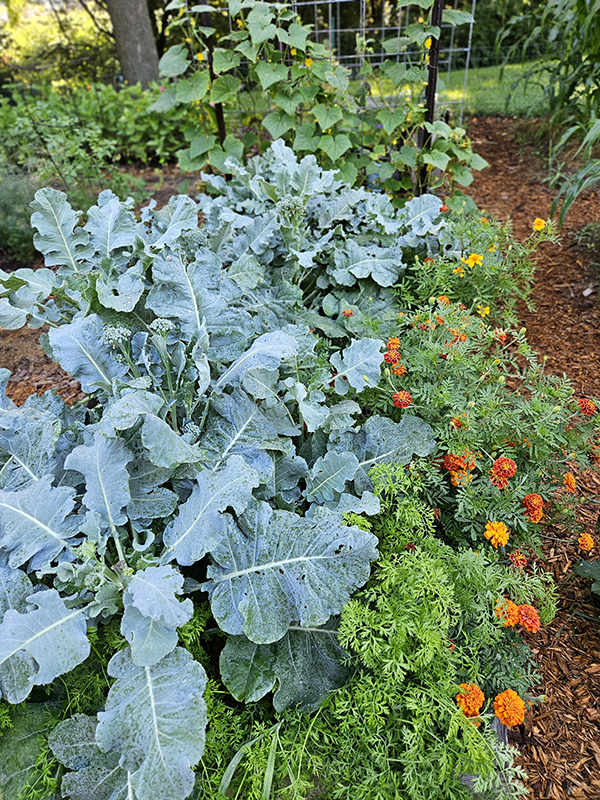
So what does that really mean? Organic seeds were taken from plants that were not treated with any synthetic fertilizers or pesticides. However, that doesn’t mean that organic pesticides weren’t used on these plants. (The USDA has a list of several products that can still be used for pest or disease control.)
Most people want to know if organic plants and seeds are better than those without this distinction. In general, many growers consider organic seeds to be better for soil health and environmental sustainability. However, this distinction comes at a cost to consumers, with seed packets and plants often being much more expensive than traditional seeds.
Personally, I don’t get hung up on whether a seed or plant is listed as organic or not when I buy it. But that is just me, and you need to do what you feel is right for you and your garden.
My Personal Takeaway On Organic Crops
Each year, I do what I can to keep my soil as healthy as possible. I try every possible natural trick in the book before I ever resort to using any chemicals or sprays on my garden. And even then, I reach for more natural, organic garden-approved products like Neem Oil of Bt (Bacillus thuringiensis).
As I said above, you need to decide what is best for you and your garden. If you want to be 100% organic, then definitely get the seeds or plants with those terms. I am from the mindset that anything I can grow at home and harvest myself is still better than what I can purchase at grocery stores.
Hopefully, now you have a bit better understanding of what these plant terms mean and the types of seeds or plants you are purchasing when you see those typical buzzwords. Now, if you want to learn everything there is to know about reading and identifying everything listed on seed packets, check out my article, “How To Read And Understand Seed Packet Information”.
Until next time, thanks for stopping by!
– Chelsea
*This post may contain affiliate links. These are products I have used personally and highly recommend. As an Amazon Associate, I may earn a small commission from qualifying purchases if you purchase items through my links. These links and the ads on this page help to support my family and our semi homestead, so Thank You!
Discover more from Semi Homestead Life
Subscribe to get the latest posts sent to your email.