
While many “weeds” can be a pain in the butt to get rid of from your backyard, the good news is that you might not want to after you finish reading this! In this article, I talk about 10 commonly found weeds that are actually edible and can be used in all sorts of homemade remedies.
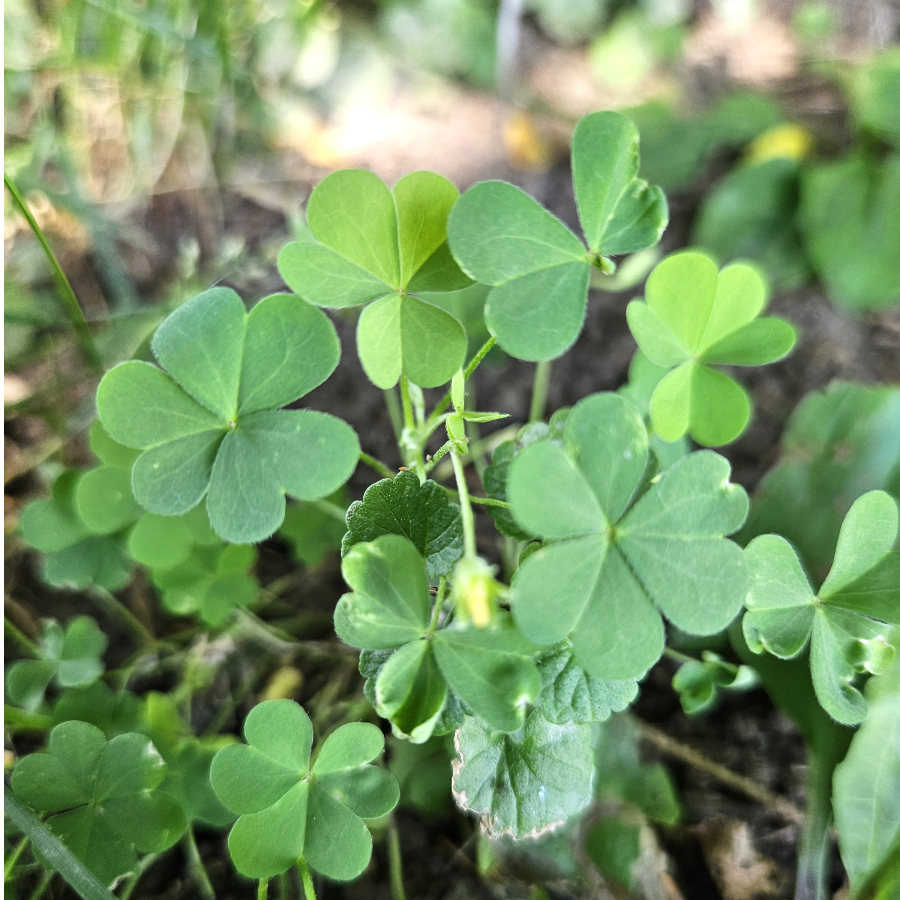
Harvesting weeds is considered a type of foraging. “Foraging” is the act of looking for, identifying, and harvesting wild seasonal plants to use as food sources or to turn into natural remedies. It is a great free and sustainable practice when it is done responsibly and carefully. It’s also a great way to “get back to nature” by literally putting nature to work!
Foraging for wild greens specifically is a pastime that goes back for generations. Most likely, many of your own grandmothers and great-grandmothers foraged all sorts of different plants that were then used in multiple ways within their homes.
However, most people nowadays have lost touch with harvesting and using native plants that grow right in their own backyard. (Myself included!) When they see a plant like a dandelion growing in their yard, they consider it a nuisance instead of a source for nutrients and vitamins. Hopefully, today’s article will change all of that!
Before You Begin Foraging…
Almost all of the weeds on this list are widespread across North America and beyond. I live in Illinois, and these photos are all of weeds that were taken within a few miles of my house, if not in my own backyard. These plants can often be found in lawns, gardens, sidewalks, roadside, fields, trails, and more.
Make sure you have permission to harvest plants from public or private locations besides your own property. Also, verify that the weeds haven’t been sprayed with any chemicals or other harmful substances.
Lastly, take your time to identify the plants correctly before harvesting and collecting. Use a variety of resources to help you if you are not 100% confident that it’s the correct plant. The last thing you want to do is consume the wrong plant and have to deal with the adverse effects! For the most part, though, the plants on this list are pretty easy to identify.
Chicory (Cichorium intybus) – 10 Edible Weeds

Chicory, also called Blue Sailors, Coffeeweed, and Wild Endive, is a common sight along country roadsides and fields. While I’m not sure farmers would agree, I love seeing the vibrant blue/purple daisy-like flowers growing along the road.
Chicory is actually in the dandelion family and features similar leaves at the base of the plant. However, the flowers grow along tall, tough stems. The leaves, buds, and roots of the plant are all edible and have a strong, slightly spicy, bitter flavor.
Younger leaves are less bitter and are usually eaten raw in salads, while the older leaves can be sauteed and added to soups and stews. Probably one of the most common ways of enjoying chicory is roasting and grinding the roots to create a substitute for coffee.
Creeping Charlie (Glechoma hederacea)
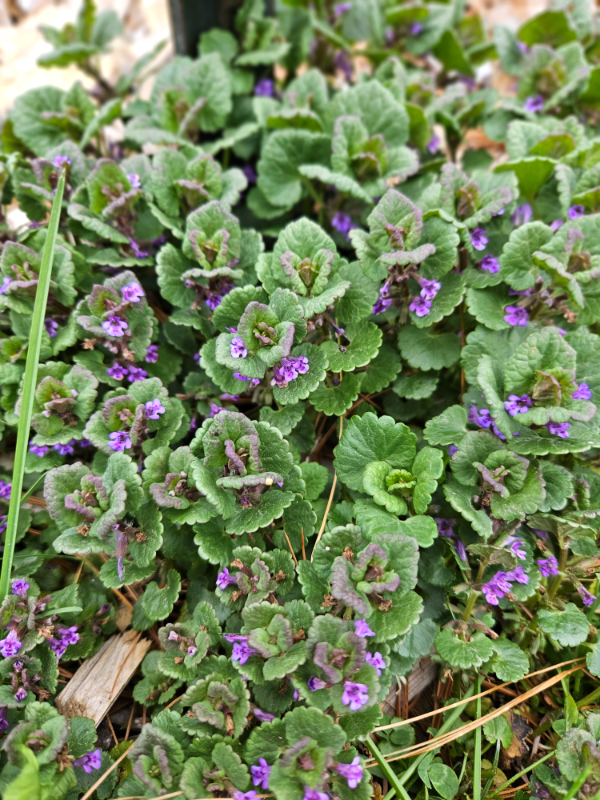
This is one of the most dreaded lawn weeds because Creeping Charlie (also called Ground Ivy) can take over your yard in no time at all. However, my personal mindset is that as long as it is green, it can stay. And to be honest, I kind of like the purple flowers Creeping Charlie produces, and so do the bees and butterflies!
Creeping Charlie is a part of the mint family, which kind of explains how it spreads so aggressively. (All varieties of mint are aggressive spreaders.) It is a low-lying plant that grows via stolons (i.e., creeping stems) that are capable of rooting along multiple nodes. The leaves are kidney-shaped with scalloped edges, and they produce tiny purplish-blue flowers.
This spreading weed has a strong, herbal flavor with a mild hint of mint. It can sometimes be described as a combination of mint, sage, and kale. The leaves are high in Vitamin C and are often used fresh in salads or cooked in soups or pesto. The flowers are milder in flavor and can be used as an edible garnish. Often, Creeping Charlie is brewed into a tea.
Curly Dock (Rumex crispus) – 10 Edible Weeds
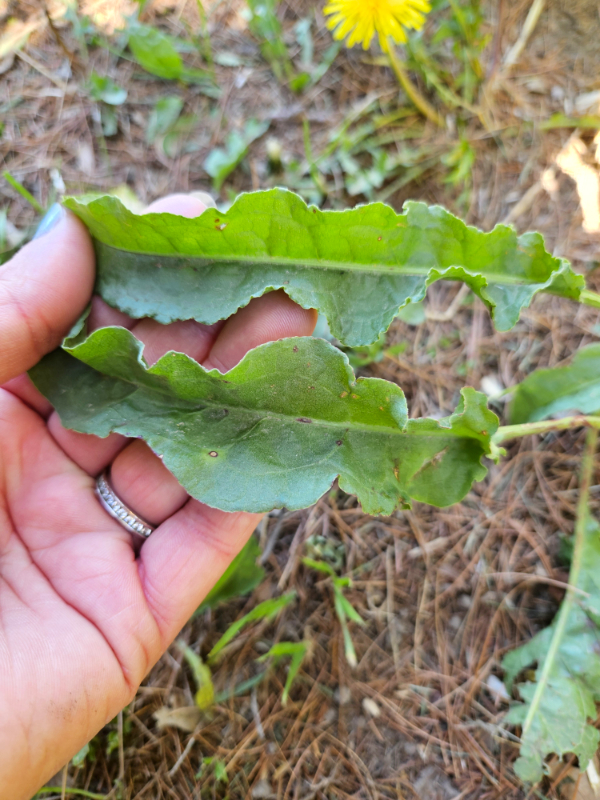
Curly Dock, also called Yellow Dock and Sour Dock, is commonly found along pastures, fields, roadsides, and vacant lots. The 6 to 18-inch-long leaves form from a rosette and are long and narrow, with wavy or curly edges. By mid-summer and into fall, it shoots up tall rust-colored seed stalks that can be between 2 and 5 feet tall.
Younger, tender leaves are often harvested in the spring and cooked down like spinach. They have a slightly tart, lemony flavor profile.
During the late summer or early fall, the dark seeds can be harvested and eaten raw, toasted, or ground into chaff. (They are a bit bitter if eaten raw.) The plants do contain a decent amount of oxalic acid, so keep that in mind before consuming.
Dandelions (Taraxacum officinale)
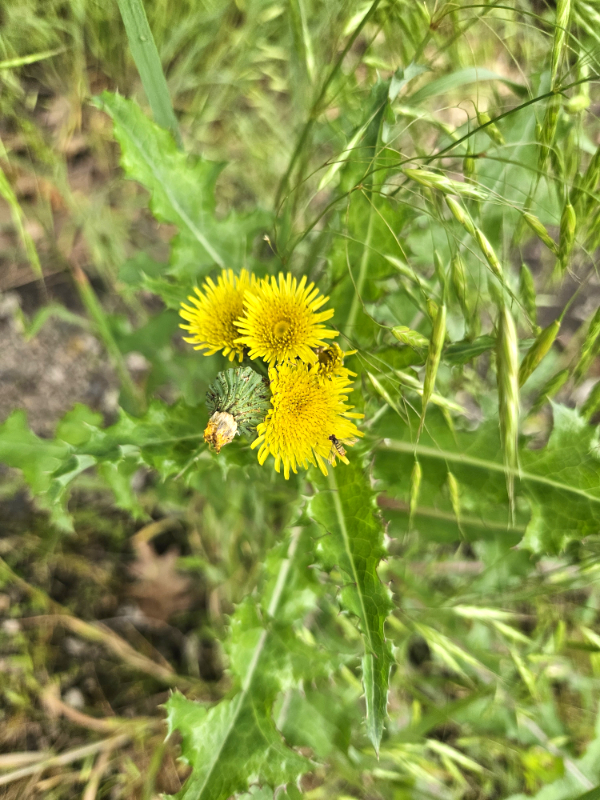
As soon as the weather starts to warm up in early spring, one of the first weeds to appear in most lawns is dandelions. Not only are dandelions great for early arriving pollinators like bees, but they are also edible. And if your yard is anything like ours, there are plenty of dandelions to go around!
Dandelions are probably the most recognizable – and often misunderstood – yard weed. From their puffy yellow blooms to the leaves and roots, all parts of the plant are edible. Dandelions are rich in vitamins, potassium, calcium, and iron. They are traditionally used to help regulate blood sugar, improve digestion, and support liver health.
The leaves are often used fresh in salads or sauteed as greens. The roots are often roasted as an alternative to coffee/tea or boiled and used in soups and stews. The flowers can be used to make all sorts of goodies, like Dandelion Jelly or Dandelion Shortbread Cookies. (Tip: Separating the green part from the yellow petals removes the bitterness in the flowers.)
Mullein (Verbascum thapsus)
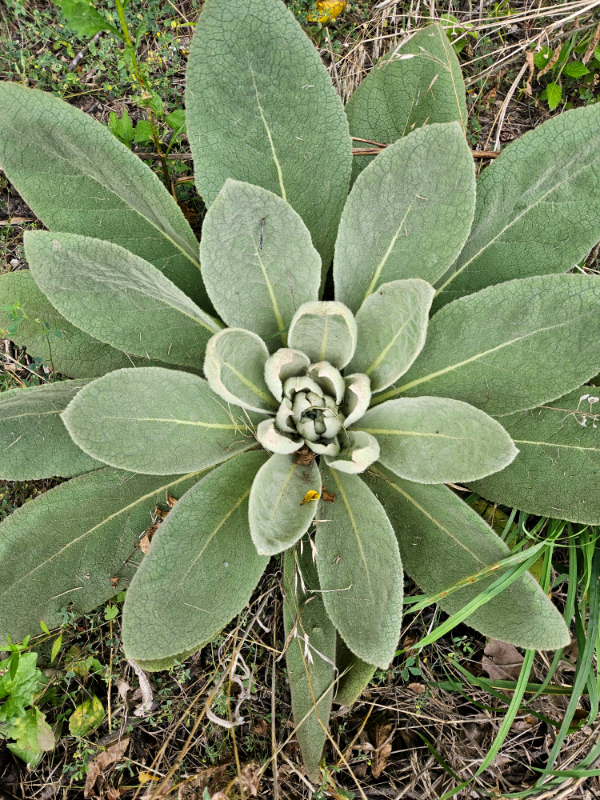

This is one of my favorite “weeds” to use in the home. In fact, I have an entire article written all about the benefits of harvesting and dehydrating mullein. Mullein has been used for hundreds of years to help all sorts of conditions like cough, congestion, migraines, inflammation, earaches, constipation, and more.
Mullein, also called Velvet Plant and Cowboy Toilet Paper (yep, you can only guess why!), is often found along roadsides, banks, empty abandoned lots, and fields. It is a rosette plant that has large fuzzy leaves that are grayish green in color and can grow up to about a foot long.
Mullein is a biennial plant, which means that in the first year, it will produce leaves. In its second year, it shoots out a 5 to 10-foot-tall flowering stalk loaded with yellow flowers at the end. The leaves, roots, and flowers are all edible. Most often, they are used in teas and as herbal infusions.
Pineapple Weed (Matricaria discoidea) – 10 Edible Weeds
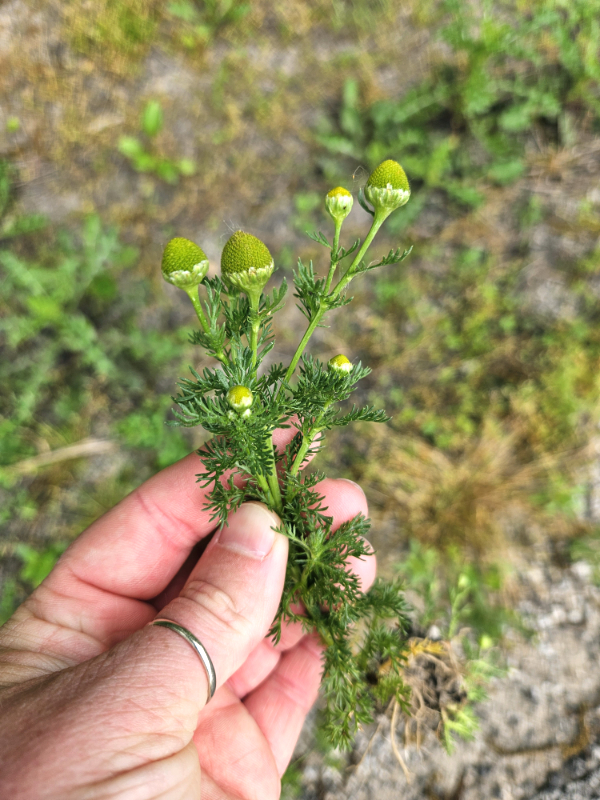
Pineapple Weed is one of those plants that actually kind of looks (and tastes!) like its namesake. It can also be called Wild Chamomile and Disc Mayweed, depending on your location or who you are talking to.
This common weed is often found along the edge of driveways, sidewalks, buildings, or other gravel-filled areas. It has a very distinct appearance as well as scent. The leaves are fern-like and tiny, and it has small, yellow-green, cone-shaped, petalless flowers. The plant has a strong odor that smells kind of like pineapple if you were to give it a whiff.
The leaves and flowers are all edible. The leaves are best harvested when they are young and can be used in salads. The flower is the most flavorful and provides a slightly fruity flavor that is said to be a mix of pineapple, citrus, and chamomile. It is most often used in teas and has a calming effect, similar to chamomile.
Plantain (Plantago spp.)
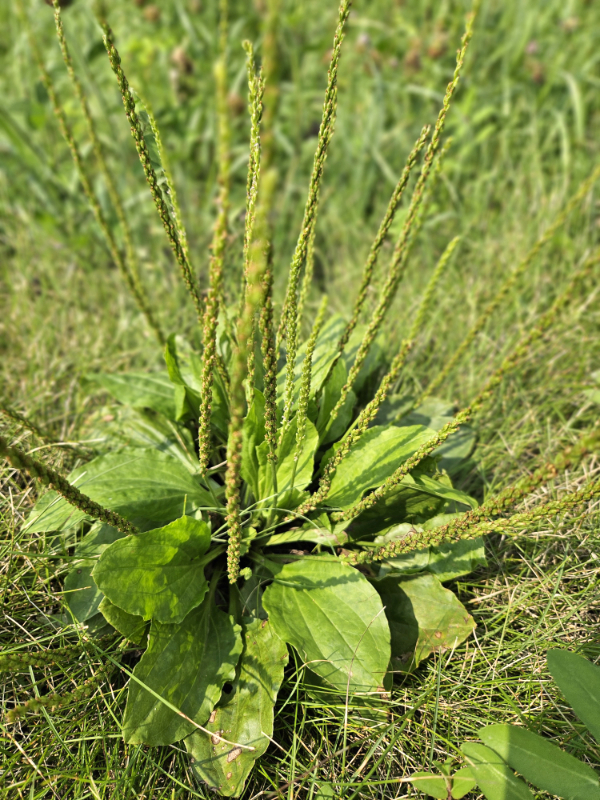
Plantain, sometimes called Broadleaf Plantain or Ribwort Plantain, is a weed we have growing all over our yard. It especially seems to favor the cracks in our sidewalks and driveway! In addition to being edible, plantain is also excellent for other at-home remedies like soothing bug bites, stings, burns, cuts, and other skin irritations.
It is a low-growing rosette plant that features wide, oval-shaped leaves that grow to be between two and eight inches long. Each leaf has a few distinct parallel veins running down it. Tall and skinny seed spikes grow out of the middle of the rosette.
Most often, the young leaves are used fresh in salads or cooked as greens. The leaves are boiled down and used as a tea to help calm coughs and digestive issues. It has a similar flavor profile to spinach. The individual seeds can also be added to foods.
Purslane (Portulaca Oleracea)
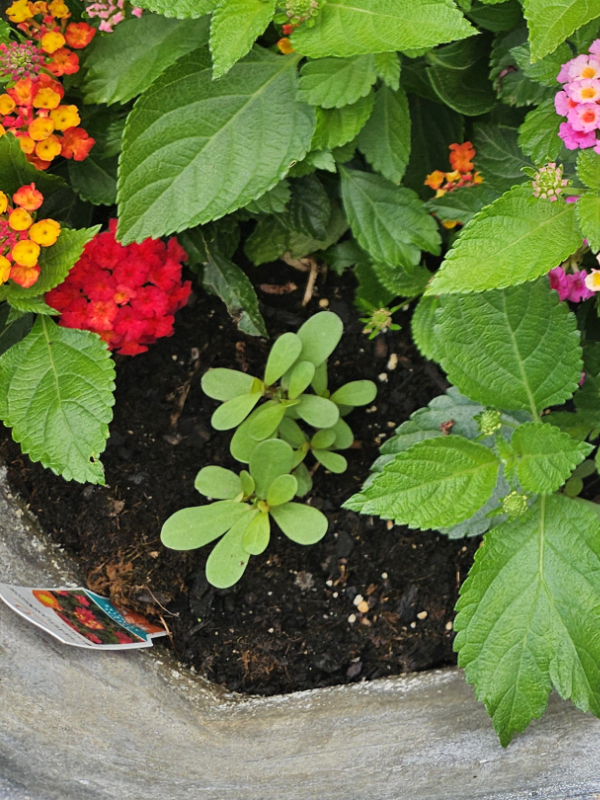
There are several different types of Portulaca plants, including Moss Rose, but the edible one I am talking about is Purslane. While both annuals belong to the Portulaca genus, are succulents, and heat and drought-tolerant, they differ in appearance and use.
Purslane, also called Pigweed and Little Hogweed, features flat, broad leaves on reddish stems. They have small yellow flowers with five petals each. Plants can bloom at any time of the year. You will often find purslane starting in late spring through early fall, but it is more prominent during hot weather.
The leaves and stems of purslane are all edible and can be consumed either raw or cooked. The flavor is slightly lemony and salty. It works great in salads, soups, stir-fries, and more. The plant is loaded with Vitamins, iron, beta-carotene, and omega-3 fatty acids.
Wild Violets (Viola sororia) – 10 Edible Weeds
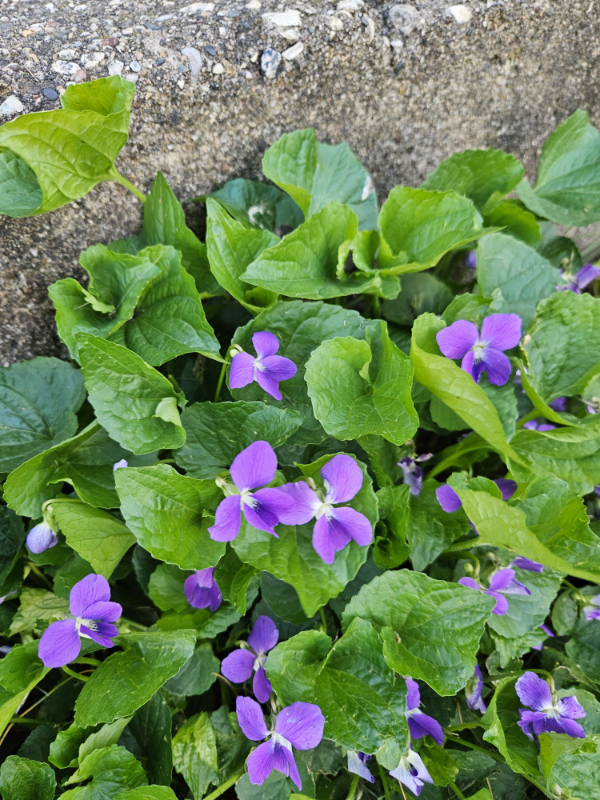

Wild violets are pretty easy to spot in most yards and pastures growing in clumps in early spring. They feature purple, blue, or white blooms with upside-down heart-shaped leaves. Wild violets tend to grow in shaded areas or along the edges of wooded areas.
For the most part, most often just the flowers are consumed, but the leaves are also edible. The leaves are used in raw salads, cooked as greens, or added to soups. Both are nutrient-dense and high in both Vitamins A and C, but they should be eaten in moderation.
The blooms are often eaten fresh in salads or used to create fun garnishes to baked goods and other foods. Wild violet blooms can be added to teas, turned into jelly, candied, or steeped to make one of my favorite spring drinks, Wild Violet Lemonade. (It really does change color from light blue to pink!)
Wood Sorrel (Oxalis spp.)
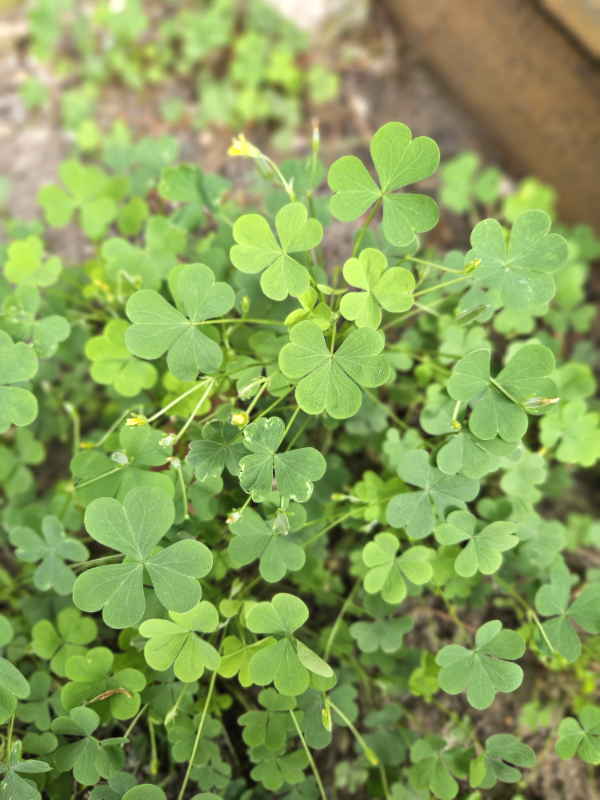
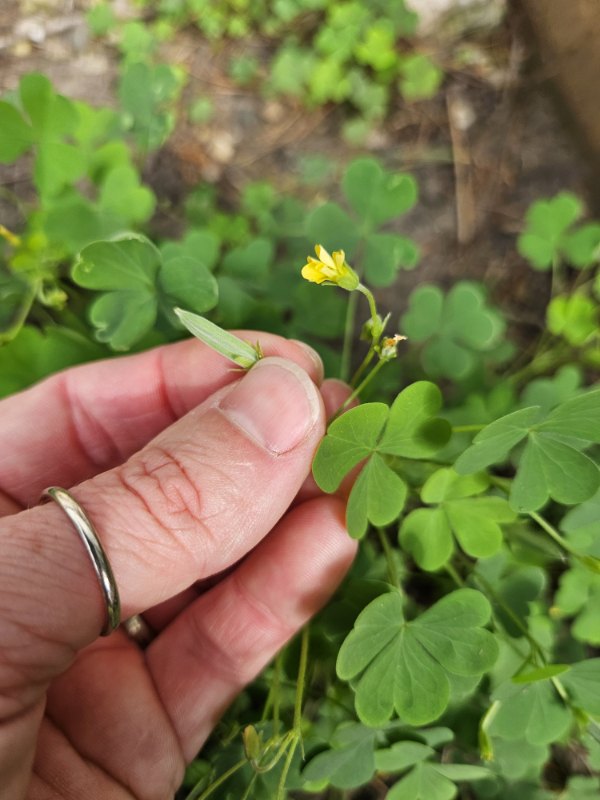
Last but not least is wood sorrel (also known as Sourgrass or Shamrock Plant). It’s one of my favorite weeds to snack on. You can find it in most backyards, often growing in moist locations in partial shade during the spring through fall months.
It looks very similar to clover, but the leaves are heart-shaped and come in groups of three. In addition to the leaves, you can also see tiny yellow flowers and these small oblong seed pods.
The leaves, flowers, and seed pods are all edible and are high in vitamin C. When you try them raw, they all have a very sour, lemony taste. They are great for adding to salads, soups, fish or other meat dishes, and herbal drinks.
Many of the plants on this list are considered “weeds” simply because they grow in locations that aren’t desirable for people. This makes them unwanted and a “pain” for some, especially homeowners. However, that doesn’t mean that these plants don’t still have value and use. Hopefully, you can go foraging in your own backyard and find great ways to enjoy some of these edible “weeds”!
Until next time, thanks for stopping by!
– Chelsea
*This post may contain affiliate links. These are products I have used personally and highly recommend. As an Amazon Associate, I may earn a small commission from qualifying purchases if you purchase items through my links. These links and the ads on this page help to support my family and our semi homestead, so Thank You!
Discover more from Semi Homestead Life
Subscribe to get the latest posts sent to your email.