
When it comes to gardening, there are 5 big lessons that seem to be pretty universal, no matter where you live or how much gardening you have done in your lifetime.
These lessons are just a fact of the gardening process. They are things you should keep in mind before you even put a plant or seed in the soil. Plants dying, pest damage, out-of-control weeds, bad weather, and more will continue to be problems you have to deal with each and every year.
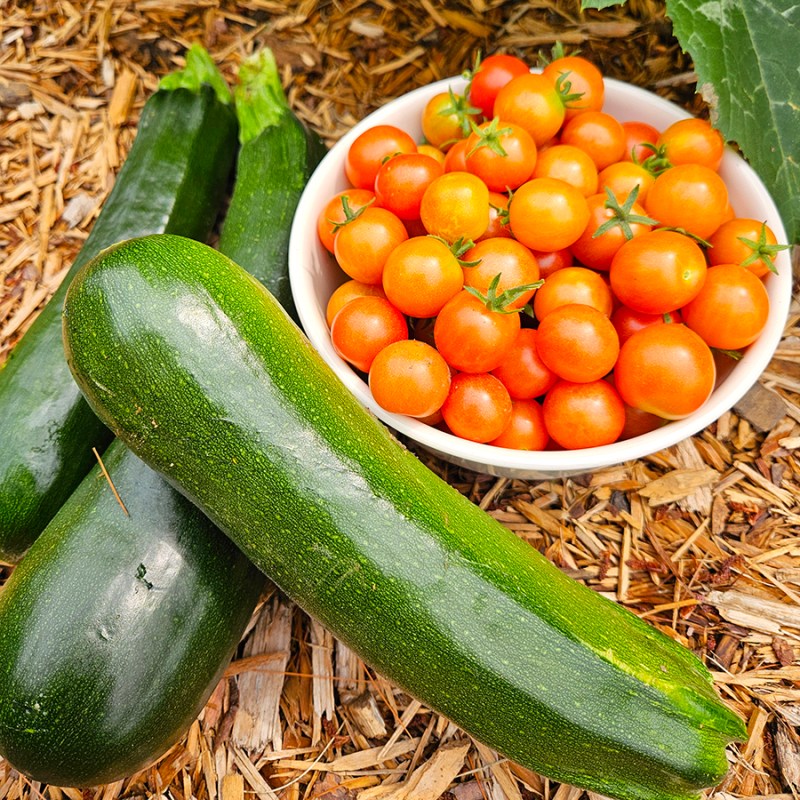
The sooner you come to accept these lessons as fact, the sooner you can stop being so frustrated with how your garden turns out and get back to enjoying it instead!
5 Gardening Lessons To Keep In Mind & Accept
Each year, my garden is a lesson in patience, hard work, dedication, and acceptance. I know that I have to walk into each season with an open mind and the knowledge that things aren’t always going to go my way!
Between faulty plant genes, ever-changing weather conditions, an influx of pests and insects, and everything else, no two gardening seasons are alike. However, if I can keep these four big lessons in mind, I know that I already have a head start in having a rewarding and fruitful gardening season, no matter what happens!
#1: You Will Kill Plants
I came into gardening thinking I would be the best gardener there is. I would have no problems keeping everything alive and thriving in my garden. Well, it became pretty clear pretty quickly that wouldn’t be the case!
Every year, I have plants die. Sometimes it’s my fault, sometimes not. But I can almost make this a 100% guarantee that each gardening season, you will kill a plant (or two!). Most of the time, you will have no idea what went wrong. And, it likely won’t be the same crops each year. (Which I guess kind of prevents gardening from getting too dull and redundant at least!)

I’d love to brag and say I have an amazing track record with all my plants growing just how I want them to. The truth of the matter is that every year, some crops or plants die. It doesn’t matter how well you water the plants, provide them with the perfect amount of nutrients, or check them over daily for pests and bugs. Some plants just don’t have what it takes to survive.
Other times, there are elements out of your control that kill the plants (i.e., pests, animals, weather, etc.). Either way, it’s just a part of gardening and a good lesson to keep in mind. You have to have grace not only with your garden, but with yourself. Otherwise, you will drive yourself mad trying to keep everything alive and producing!
#2: Weeds Will Grow – 5 Gardening Lessons
Weeds are a part of gardening. I don’t care how much mulch you put on the soil. You will still have weeds that pop up here and there. That’s just a fact you are going to have to accept and deal with.
I am a HUGE proponent of using grass clippings or another type of organic mulch to cover bare soil. There are so many positive benefits of doing this task that I have full articles dedicated to the topic. (See, “Grass Clippings As Garden Mulch – Protect Your Vegetables & Soil” or “Why To Use Mulch In Your Garden – Weed Less & Improve The Soil”.) One of the biggest advantages is weed control.

Without using mulch, you are going to spend your entire summer either tilling the soil or pulling weeds. Soil does not like to be bare, and it will quickly grow weeds if given the chance. Not only are weeds a pain to pull, but they steal vital nutrients and resources that should be going to your garden plants instead.
While using mulch helps cut back on weeding a ton, you are still going to have a few stray weeds here and there to take care of. Nothing will make your garden 100% weed-free, including using mulch.
Just make sure to walk your garden and pull those little guys while they are small and before they get a chance to cause too much damage. I suggest pulling them after a good rainstorm or watering. The roots will come up a lot easier, allowing you to remove the entire weed instead of just yanking out the visible bits.
#3: Bad Weather Will Happen
The next one of my 5 gardening lessons is about the weather. I am from the Midwest (Illinois specifically), so I know a thing or two about bad weather. We get to experience the ups and downs of summer weather, including torrential rainfall and flash flooding, high damaging winds, hail that will rip plants to shreds, stretches of desert-like drought, early surprise season frosts, and more.

It can be so devastating to walk out to your once-stunning garden and see sweet corn flattened and shredded tomato plants, all thanks to last night’s severe storm going through. And while you can take steps to prepare for the weather to some extent, you can’t really do anything to stop most of it.
As much as I wish there was some magical thing I could say to fix the issues that are weather-related, there isn’t. The biggest tip I can say is to do what you can to prepare and plan for these weather events. Just know that it is unfortunately, a part of gardening and is bound to happen.
#4 You Will Have To “Share” Your Garden Produce
Some people grow 100% organic gardens. Some people use every type of commercial product out there to prevent pests and pests. And some people fall in the middle of both these extremes (like myself). Whether you are an organic gardener or not, you will have to share your garden produce at one time or another.
There are so many pests out there when it comes to gardening. There are smaller ones like aphids, squash bugs, tomato hornworms, cucumber beetles, squash vine borers, codling moths, whiteflies, Japanese beetles, slugs, cabbage worms, corn earworm, and so many more. Then you have the larger garden pests like rabbits, raccoons, mice, moles, squirrels, and deer.

Each one of those pests can cause horrible destruction to your crops, sometimes in as little as one day. And it’s not uncommon to see several of those different pests in your garden in one single growing season.
You have to realize that when you grow tasty and delicious-looking vegetables, fruits, and flowers, pests are also going to want to enjoy the plants as well. It’s like one big smorgasbord for these guys, and it’s right there for the taking!
How you go about handling those pests is a 100% personal choice. It’s your garden and you need to care for it the way you want to. Just know that pests are a part of gardening, and you will not be able to avoid them entirely.
#5: Some Plants Won’t Produce – 5 Gardening Lessons
Even if your plants are growing big and strong and look amazing, sometimes plants just don’t produce. This can be for a whole slew of different reasons.
It could be that your plant is producing loads of flowers, but those flowers aren’t getting pollinated by bees and butterflies. It could be that you fertilized the plants with too much nitrogen, and now the plant is focusing its energy on creating foliage as opposed to blooms. Maybe it’s poor genetics of the seeds or seedlings, and the plant simply can’t produce blooms or buds. It could be overwatering, underwatering, improper sunlight, bad airflow, and so much more!
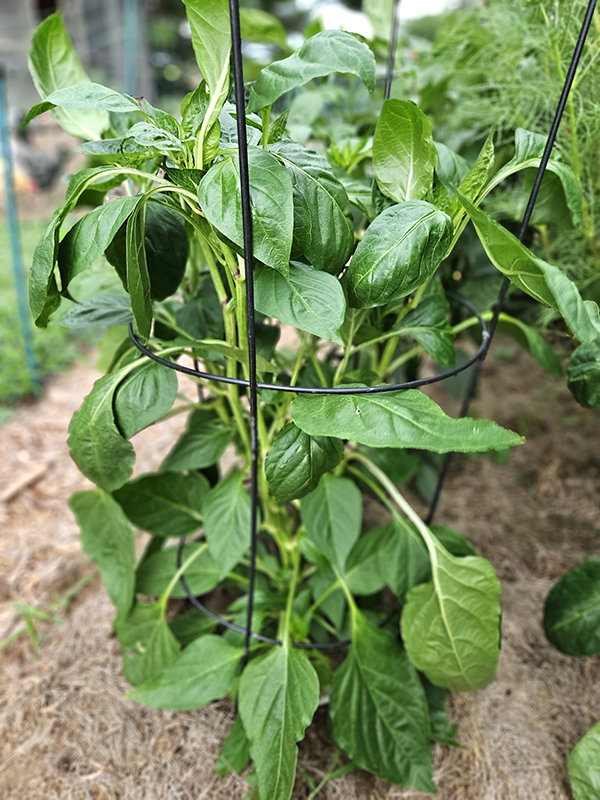
Whatever the reason, you can have the best-looking plant around and have it not produce one single thing to harvest. We’ve had that happen with pepper plants, tomatoes, cucumbers, and more. It’s frustrating, but most of the time, there’s nothing you could’ve done to fix the issue.
You just have to hope that next year’s plants will do much better and try again. Or consider trying a different variety and see if it grows better in your location.
With gardening, you have to keep an open mind, expect issues to arise, and go with the flow. There’s a popular saying that I think really applies here with these 5 lessons. No matter what bad things happen in your garden this year, “there’s always next year!”
Until next time, thanks for stopping by!
– Chelsea
*This post may contain affiliate links. These are products I have used personally and highly recommend. As an Amazon Associate, I may earn a small commission from qualifying purchases if you purchase items through my links. These links and the ads on this page help to support my family and our semi homestead, so Thank You!
Discover more from Semi Homestead Life
Subscribe to get the latest posts sent to your email.