
When it comes to gardening and growing vegetables and flowers, there really is no right or wrong method as long as you are growing healthy and productive plants; however, there are some major advantages to using smaller in-ground garden beds or plots.
I grow my vegetables and flowers using all sorts of different methods, including raised beds, grow containers, and growing rows. Recently, I’ve added four smaller in-ground garden plots as well to the mix.
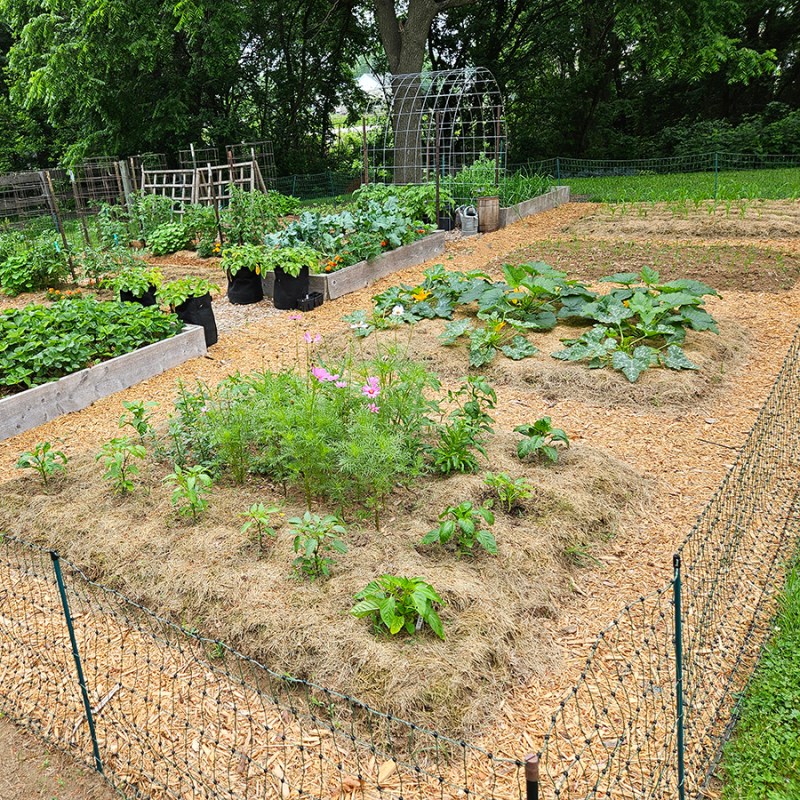
Unlike traditional gardens, the in-ground plots are smaller and act sort of like raised beds but without the structure. You can make them whatever size and shape you want as long as you can comfortably still access all areas within the growing space.
One of the best advantages is that the smaller plots allow me the freedom to grow crops like sweet corn or pumpkins in a bigger space that might struggle to thrive in the walking/growing rows part of my garden. However, unlike a traditional large in-ground garden, the small plots still allow me to use dedicated walking areas – a huge must for our clay-like soil!
In addition to the dedicated walking spaces, there are other advantages to gardening using this method. Depending on your backyard situation, small in-ground garden plots might be the perfect solution for your setup, too!
My Garden Expansion – Advantages Of In-Ground Garden Beds
Just recently, I had the wild idea to expand my garden. I had already converted my traditional in-ground garden into walking rows and growing rows several years ago. It was honestly one of the best decisions I’d ever made for my garden as well as for my soil.
The goal with that transition was to create dedicated rows for growing and dedicated spaces for walking. Not only does this help prevent soil compaction, but it cuts back on expenses, weeding, and so much more.
In addition to the growing rows, I also have three raised garden beds and various grow bags and containers. However, I still needed more space. (I need enough space to plant all those seeds I purchase each winter while I’m dreaming up my future garden!)
Hence the garden expansion.
Choosing A Design
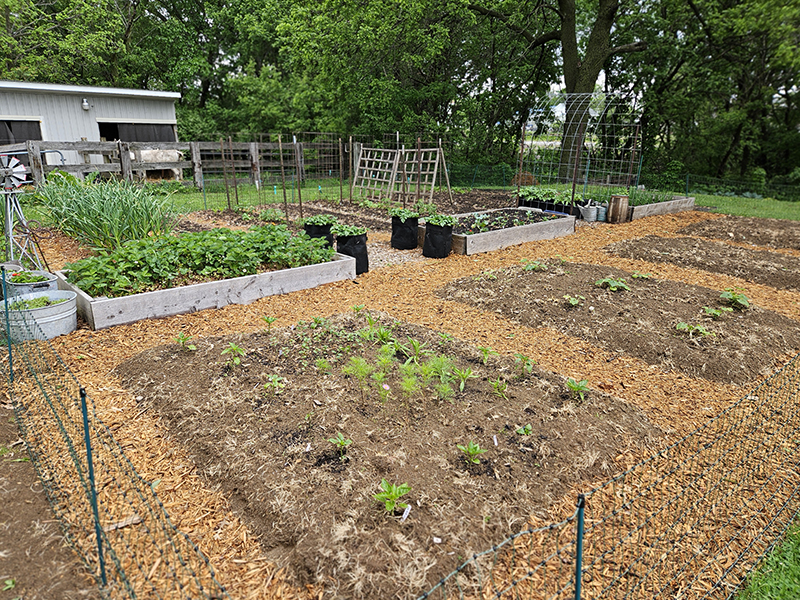
I wanted the in-ground garden plots to act similarly to the growing rows and walking rows, but with the freedom and space to grow more. Much to my husband’s delight, I went to work! (Insert the sarcasm when you read that last sentence.)
The small in-ground beds would still have dedicated walking areas to help prevent compaction and concrete-like soil. However, they would have a bit more freedom of design that would work better for growing certain crops.
For example, while the growing rows are fantastic for most crops like tomatoes, peppers, and green beans, they aren’t the best for crops that need to be grown in blocks or that need more space to grow and expand. (I’m looking at you sweet corn, popcorn, zucchini, and pumpkins!)
That’s where the design for the in-ground raised garden beds came about. They are a similar take on raised beds, but without the additional purchase or restrictions of a container.
The four in-ground raised garden beds I added measure around 9 feet long by 6 feet wide. So they are all bigger than your average raised garden bed, but they are perfect for our growing situation.
4 Advantages Of In-Ground Raised Garden Beds
1. Variety Of Sizes & Shapes
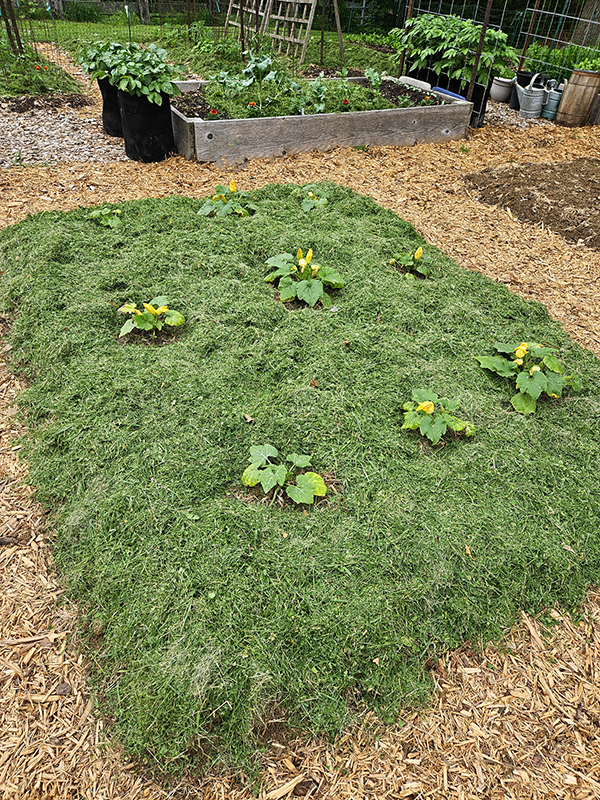
One of the best advantages of using smaller in-ground raised garden beds is that you can make them any size and shape you want. If you only have space for a 3-foot by 4-foot bed, then that’s what you make it. Don’t want to make it a square or rectangular shape? Then don’t!
Even though the in-ground beds might be smaller than a traditional in-ground garden, you still need to be able to access the plants growing from all sides. Otherwise, tasks like harvesting, weeding, watering, etc., are impossible without having to go into the beds all the time.
You also need to leave space for walking around the beds. The goal is still to only walk in the walking areas and grow in the growing spaces, so you don’t want to walk in the beds if at all possible. (I like to allow at least 1 to 2 feet for the dedicated walking areas.)
2. Freedom Of Design – Advantages Of In-Ground Garden Beds
Another advantage of the in-ground garden beds is freedom of design. With growing rows or even raised beds, there are only a few ways I can plant my crops.
Don’t get me wrong, I like that aspect of it because it takes the stress out of laying out my garden space each spring. However, sometimes I crave a bit more freedom.

For example, I can only get two long rows of green beans in each of my growing rows. I can get one tomato plant every couple of feet. This makes harvesting from those rows simple and easy, but the in-ground plots give me a bit more freedom to plant how I want.
Tip: Plant Accordingly
The key to successfully designing and planting in-ground garden plots is to grow only crops that are pretty much hands-off or that require really little maintenance to grow there.
Take, for example, garlic. Sure, I will need to do a small amount of walking or sitting on the soil while I plant the garlic bulbs in the fall and then go to harvest them in June. But for the most part, I never have to touch the soil again while the garlic grows.
As an alternative, grow flowers or more hands-off plants in the middle of the plots with vegetables around the outside. That way, the hard-to-reach center can grow freely while you easily harvest from the outer edge. (In addition, the blooming flowers help to draw in pollinators and act as companion plants. And they just look pretty, too!)
3. Growing Crops In Blocks
Another advantage of growing a garden with in-ground raised beds is the ability to grow some crops in blocks. Like I mentioned above, some crops like sweet corn need the be planted in blocks as opposed to long rows. This helps to increase the chance for pollination to occur.
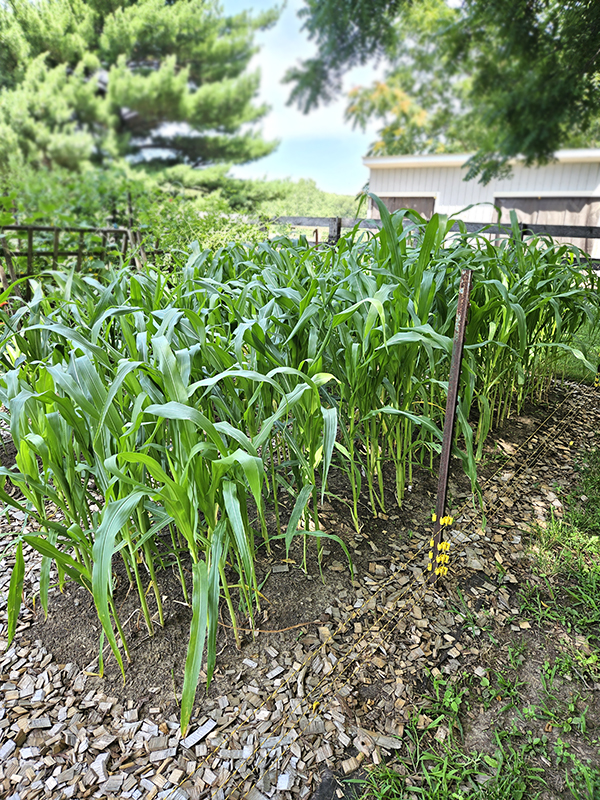
In my longer growing rows, I am only able to get about three long rows of sweet corn planted. When the time comes for pollination to occur, any strong wind in the wrong direction sends the pollen out of the rows and away from the corn silks waiting below. All I’m left with are tall corn stalks with empty cobs.
But by using the in-ground beds, I can grow several shorter rows of sweet corn together in a block. This helps to improve the likelihood of a successful pollination and, thus, a successful harvest.
The in-ground beds also provide more space for growing crops that like to spread out a little bit. This includes vegetables like summer squash, winter squash, pumpkins, melons, and more.
4. Ease Of Care
Lastly, the in-ground garden beds are easier to care for compared to a traditional large garden without dedicated walking spaces. The smaller beds are faster to weed, require less mulch and watering, and don’t take as many cover crop seeds to plant in the fall (which also saves you money in the long run).
When it comes time for tilling in the spring, the process goes much faster since you have less area to till. In fact, you might even be able to get by without using a tiller at all since you won’t be compacting the soil from walking on it all growing season long.
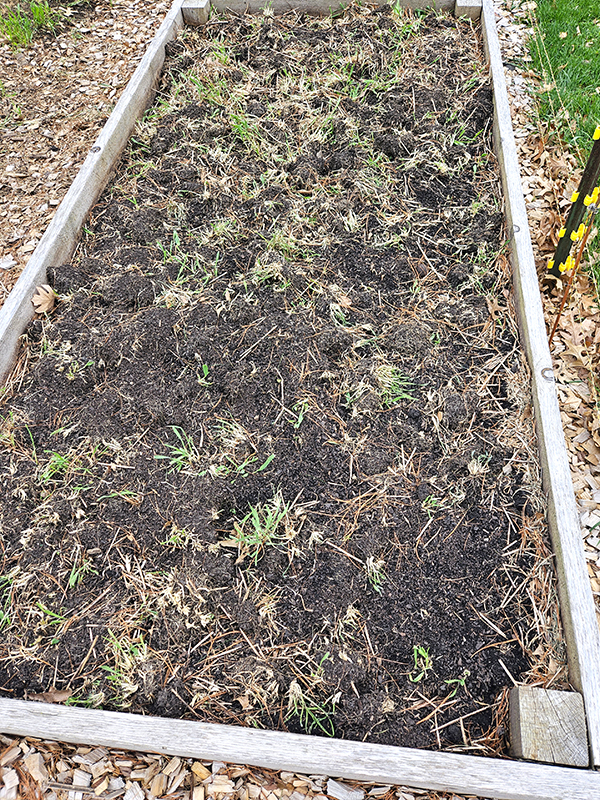
Speaking of tilling, compared to raised beds or containers, the in-ground small plots are much easier to till as well. (Have you ever tried tilling in a raised bed? I have, and it can be pretty interesting to say the least! A smaller tiller can help, but it’s still a challenge. Product Link: Toro 6-10″ Lightweight Cultivator)
In addition, they require less soil that needs to be added each year. Raised bed soil has a tendency to sink and settle as the year goes along.
Hopefully, these four advantages will have you at least considering adding a few small in-ground garden beds to your garden this year!
Until next time, thanks for stopping by!
– Chelsea
*This post may contain affiliate links. These are products I have used personally and highly recommend. As an Amazon Associate, I may earn a small commission from qualifying purchases if you purchase items through my links. These links and the ads on this page help to support my family and our semi homestead, so Thank You!
Discover more from Semi Homestead Life
Subscribe to get the latest posts sent to your email.