
There are a ton of different myths and interesting facts floating around that make using cast iron skillets and other cookware seem much more complicated and intimidating than they really are. Some of them are true, some of them are not.

Claims that you can never use soap to clean dirty skillets, warnings about not cooking acidic foods like tomato sauces, and having to toss rusty old cast iron skillets into the trash make it easy to understand why some people are hesitant to give cast iron cookware a try.
With so many rules and regulations, why even bother when you can purchase a cheap set of non-stick skillets instead?
However, using cast iron skillets and other cookware is a much simpler and straightforward process than you might think. Once you can tell the difference between fact and fiction, you will realize just how easy (and rewarding!) using cast iron cookware can really be!
Myths Or Facts #1: Can You Use Soap When Cleaning Cast Iron?
One of the most commonly seen questions out there about using cast iron cookware is whether you can use soap when cleaning your cast iron cookware. The statements say that soap will break down the seasoning and essentially ruin your piece, making you need to start from scratch with the seasoning process each and every time.

The Truth: You can use most dish soap products safely on any type of cast iron cookware pieces.
The reason this myth started was that it used to be true and a fact. Back in the day (we’re talking most of our grandmothers’ generation), soap wasn’t quite as gentle and safe to use. Most soap products back then contained a harsh chemical called “lye”. Without going into too much detail, lye (sodium hydroxide) was used to wash away fats and oils.
Most modern-day manufactured dish soaps use detergents as opposed to lye to wash out and strip grease and oils. However, please note that some dish soaps, especially those homemade, may still contain lye.
Just be sure to check the ingredients before using. If it does contain lye, forgo using the soap on your cast iron skillets. Otherwise, a small amount of detergent dish soap isn’t going to cause any issues. Just be sure to reseason your skillet once it is dry. (You can read all about reseasoning cast iron here, “How To Season and Reseason Cast Iron Cookware”.)
Myths Or Facts #2: You Can’t Cook Acidic Foods In Cast Iron
The next question you might’ve heard of is whether you can cook acidic foods like tomatoes or wine in cast iron or not. If you do, can you ruin your seasoning, and will your finished product have a strong metallic taste?

The Truth: You can safely cook even acidic foods like tomatoes and wine sauces using your cast iron cookware. However, there are a few tips to keep in mind for the best results.
First, don’t cook recipes that contain acidic products for more than 30 minutes (Source). Any more than that and your food might take on a metallic taste. This timing will somewhat depend on the pH of your dish and how acidic the foods are in it. A more diluted dish can be cooked for longer than one that is full of tomato products (like a pasta sauce). You can also add your tomato-based products at the end of the cooking process if possible.
Also, use a well seasoned cast iron skillet. The more seasoned your cast iron is before using, the better it can hold up to highly acidic foods.
Additional Information
In addition, as soon as you are finished cooking your recipe, get it out of the skillet. For example, if you are cooking my One-Skillet Cheesy Bowtie Pasta & Smoked Sausage, transfer the finished product to a large serving bowl instead of letting it sit in the skillet while you dine.
(In all transparency, I’ve let this exact recipe sit while we eat, and I never notice any issues. This is probably because it only uses one pint of diced tomatoes, which wouldn’t alter the recipe’s pH that much. Or, maybe we just eat fast?)
Even if your cookware ends up stripped from the acidic foods, simply use your oven to season it.
Myths Or Facts #3: New Modern Cookware Is Ready To Use As-Is
Next up is the thought that since cookware companies like Lodge claim their new products are “preseasoned”, that must mean they are ready to go as-is. Even their website claims all they need is a little wash, and they are good to go. If that’s the case, why is your food sticking horribly the minute it touches the preseasoned pan?


The Truth: While new modern cast iron skillets claim to be factory pre-seasoned, that doesn’t mean you can cook them without the proper prep work. This includes an additional seasoning, using proper oils or fats, and possibly even refinishing the cooking surface.
I love my modern cookware from Lodge: Lodge Seasoned Cast Iron Skillet (Product Link). However, that wasn’t always the case. When I first started my cast iron cookware journey, I didn’t realize that even though the company claims it is pre-seasoned, the factory seasoning isn’t quite good enough to handle most cooking tasks right away. This left me beyond frustrated and feeling like a failure.
Instead, take the extra time to season your new cast iron cookware after you bring it home from the store. Giving the pan an additional layer of protection will help to ensure your cooking surface is actually non-stick. In addition, make sure to use a good quality cooking oil or fat that has a high smoke point. (We love using beef tallow, but vegetable oil or shortening also works great.)
I actually go so far as to resurface the cooking surface of my new cast iron cookware. This makes the surfaces smooth like glass so it acts just like my vintage skillets. (You can read all about that process here, “Refinish A Modern Cast Iron Skillet So It Works Like A Vintage One”.
Myths Or Facts #4: Is Cast Iron Cookware Really Non-Stick?
If you are new to cooking with cast iron, you may run into issues with your food sticking. This might leave you to wonder, can cast iron cookware really be non-stick?
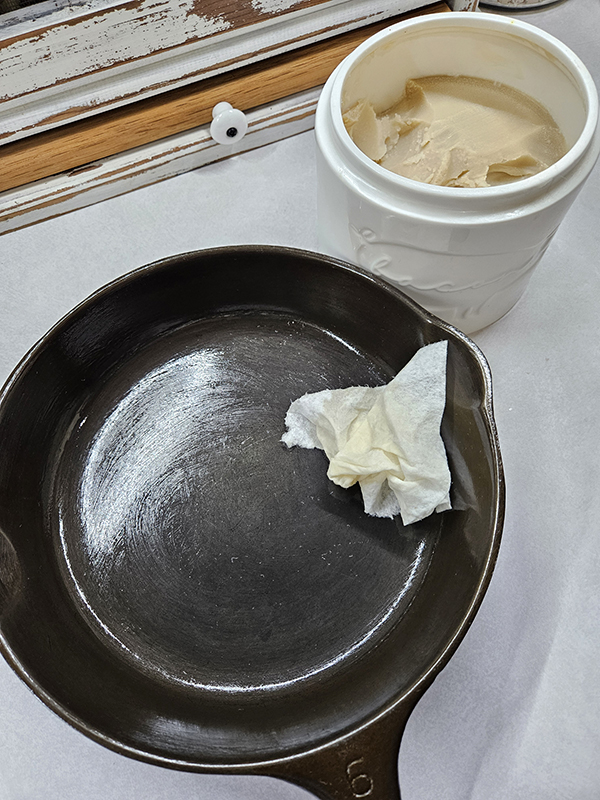

The Truth: Yes, cast iron skillets and cookware can become non-stick, but cast iron cooking is a bit of a different process than using “non-stick” cookware.
With Non-stick cookware, you simply crack an egg into the pan, and it slides around like it’s a professional skater on an ice rink. You might need a little spritz of cooking spray, but for the most part, the food doesn’t stick to the pan, no matter what you are cooking.
To properly season your cast iron, you have to use an oil or fat with a high smoke point. As the oil is heated, a process called polymerization occurs. This is what creates the slick, hard surface that creates non-stick benefits. (See “The 4 Best Oils And Fats For Cast Iron Cookware” for more information on why this is and what to use.)
In addition to the initial seasoning, you also have to use these oils and fats when cooking foods. Allowing the oils to heat up and come to the smoking point is the sweet spot for cooking foods. The best part: The more you reseason and use your cast iron cookware, the more “non-stick” it becomes.
Please note, avoid using aerosol cooking sprays on cast iron. The additives in the sprays can cause the pans to get sticky and gummy.
Myths Or Facts #5: Rusted or Dirty Cast Iron Is Ruined
Pretend that you were handed down your grandma’s favorite cast iron skillet. She used this item religiously, whether it was on the stove or directly over an open fire outside. However, it comes to you coated with baked-on food, thick layers of old grease, and rust spots all over. Does this mean your dirty or rusty cast iron skillet is ruined?


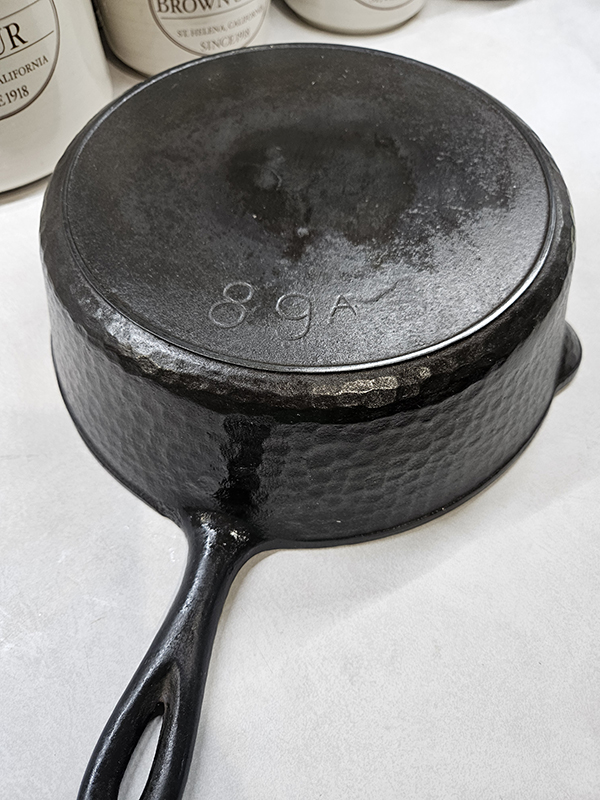
The Truth: No matter how disgusting or beat up that piece of cast iron cookware looks, it is not ruined! Aside from cracks and warps in the iron itself, cast iron skillets can be cleaned and restored to work as good as new.
That is part of why I love these pieces so much, because they really can last the test of time. I actually did receive a couple of my late grandma’s cast iron skillets in those exact rough conditions. They were rusty and caked in old oil and grease since they hadn’t been used in years.
And no, you don’t need an electrolysis tank to do the refinishing process. You can use your oven to do the hard work using the “oven clean” feature. (To learn how to do this step-by-step, check out my article “How To Easily Restore Cast Iron Cookware Using Your Oven”.)
After your oven removes the gunk, give the skillet a good scrub under hot water and soap. Dry it fully and then season it in your oven. It’ll be as good as new!
Myths Or Facts #6: Do You Have To Reseason After Each Use?
One of the questions some people wonder is whether you need to reseason the cast iron pans after every single use. Isn’t it a hassle to reseason after each recipe is made?
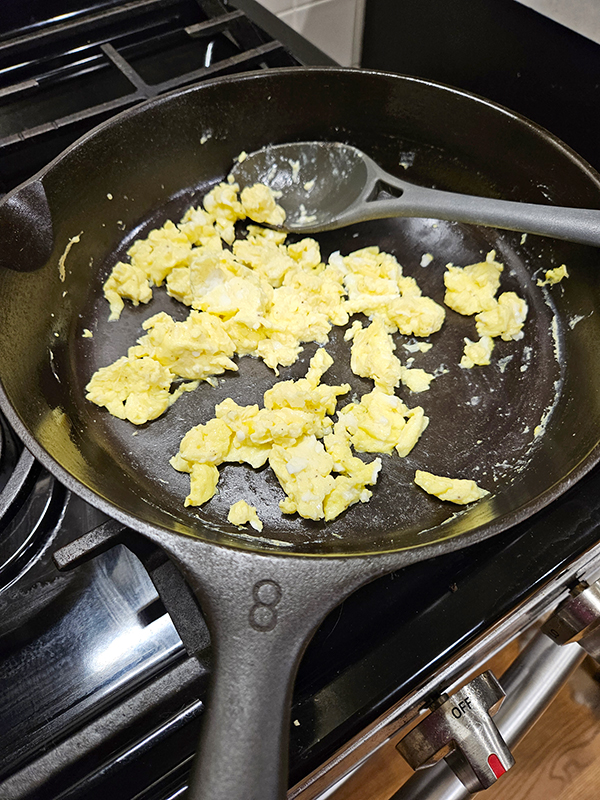
The Truth: You do not have to reseason your cast iron skillets or cookware after each use.
When I talk about “reseasoning”, I am referring to the process of adding a little bit of fat or oil after daily use to keep the pan non-stick and protected. “Seasoning”, on the other hand, refers to the process of using your oven to bake on the oils and fats.
Seasoning only needs to happen a few times, or if rust starts to appear on the pan. Reseasoning should happen any time the surface loses its black shine, if food starts to stick to the surface after daily use, or if you wash the pan.
If you are cooking a food product with a ton of fat and grease – like bacon – often the act of cooking will reseason the pan for you. Afterwards, you simply wipe out any excess fat and go about your day.
Additional Information
For foods that tend to stick, you might have to give the pan a rinse, and then it will need to be reseasoned once it is dry. For example, I struggle with scrambled eggs sticking in one of my pans. If I am left with a bit of stuck-on food, I have to rinse it off. When the pan is dry, I make sure to reseason it well because any unprotected surface will quickly start to rust.
However, when I make fried eggs in the same pan using bacon grease as my fat source, I never have issues with stuck-on foods. I simply wipe the pan out, and it is good to go for next time.
It’s definitely a different mindset since we are so used to having to wash other types of cookware each time after use, but that isn’t the case with cast iron. If you don’t wash it, you probably don’t need to reseason it.
Myths Or Facts #7: You Should Never Wash Cast Iron
Hopefully you already know the answer to this one after reading the other responses, but some statements are made that you can never get cast iron skillets or cookware wet. In addition, some people wonder if you can soak a skillet.

The Truth: There is nothing wrong with washing your cast iron cookware. (You can even use soap, remember?) Soaking, however, is a bit of a different story.
Sometimes, even with the best seasoned pans, you will wind up with stuck-on food or gunk after cooking. Maybe you had the heat a little too high when cooking eggs, or maybe you didn’t have your oil/fat quite hot enough before adding the food. Whatever the reason, there will come a time when you need to wash your pan – and that’s ok!
However, you don’t want to soak your cast iron skillet. If you have really bad stuck-on food that won’t come off with a simple scrub, you need to try a different tactic. Add enough water to cover the bottom of the pan and place it back on your stove. Allow the water to boil for 1 to 2 minutes. This should help release the stuck-on food.
Additionally, you can use a metal spatula or a chainmill scrubber to help scrape off the food. I like to use a Lodge Scrubbing pad (Product Link), but there are other cheaper generic ones that accomplish the same task. Some people even add coarse salt and use it as a scrubber.
Whatever you use, there is no issue with washing your cast iron cookware. Just be sure to add a thin layer of fat or oil after it has fully dried. But, whatever you do, DON’T PUT YOUR CAST IRON IN THE DISHWASHER!
Myths Or Facts #8: Never Use Metal Utensils On Cast Iron
Along the same lines of never washing cast iron is the statement that you should never use metal utensils on cast iron products. If you were to use metal utensils, you could gouge or flake off the seasoning that is on the pan.
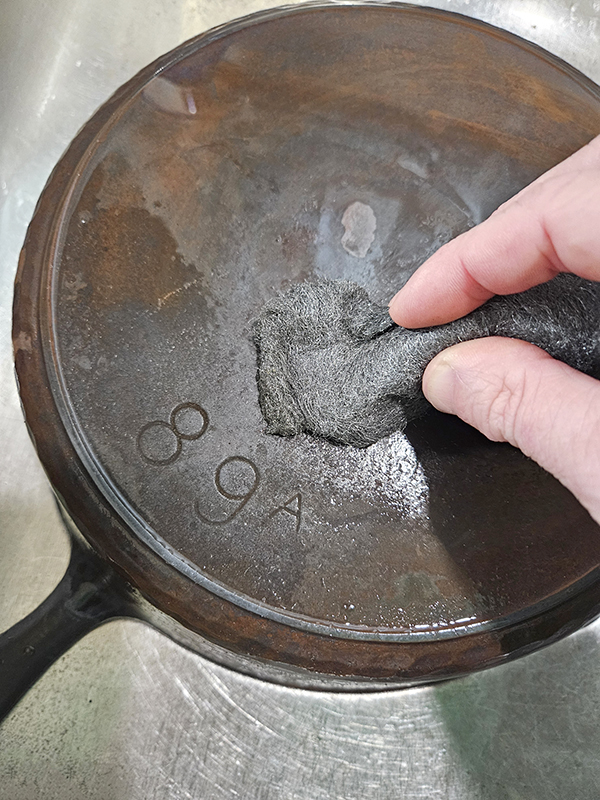
The Truth: You can use metal products with cast iron cookware. In fact, metal tools are the best utensils I’ve found for cooking with cast iron.
A well-seasoned pan can take a lot of heat – both literally and figuratively speaking! Small scrapes and cuts in the surface won’t affect the cooking surface, unlike non-stick cookware.
Some of the best metal cooking products include a metal flipper/turner, spatula, tongs, etc. Then there are the chainmill cloths and scrubbers that are specifically sold for cleaning cast iron. All of these products are perfectly fine for cast iron.
The key, however, is not to deeply gouge the surface if possible. In addition, avoid using any abrasive metal products like steel wool unless you are working on seasoning the pan for the first time. Knives should also be avoided.
Myths Or Facts #9: You Can’t Use It On Glass Stove-Tops
Some people think that cast iron cookware can’t be used on some types of heat sources, including glass stovetops.

The Truth: Cast iron can be used on almost all heating surfaces, including glass-top stoves as long as you take a few precautions.
Cast iron is one of the most versatile types of cookware. It can go from your stove to being used directly in your oven without a blink of an eye. You can even use it directly out on a campfire or outdoor stove.
Before using cast iron cookware on a glass stove top, first make sure the bottom is clean and free from any additional oils or fats. This helps prevent the chance of any excess oils or fats burning between the stove surface and the pan.
Also, if you have a choice, use one of your lighter pans. Vintage cast iron tends to weigh less than modern-day ones.
Choose a burner that is at least one inch smaller than the diameter of your skillet. Since cast iron cookware is heavier than other types of cookware, be careful when setting it down on your stovetop.
Additional Information
Also, avoid moving the skillet while cooking to prevent scratches from occurring. (This is probably the biggest issue with using cast iron.) Lift the cast iron piece fully off the stove if you need to reposition it.
Allow the cast iron cookware to heat slowly. Always start at a lower temperature and then raise it as needed.
When cooking is done, remove the cast iron immediately from the stovetop. Set it on a hotpad, trivet, or cooling rack on your countertop or island instead. Allow the cooking surface to cool completely, then clean it, and you’ll be good to go!
Myths Or Facts #10: Cast Iron Is Too Difficult Or Time Consuming To Use
A lot of people are turned away from the idea that cast iron takes a lot more work to use than traditional non-stick cookware.
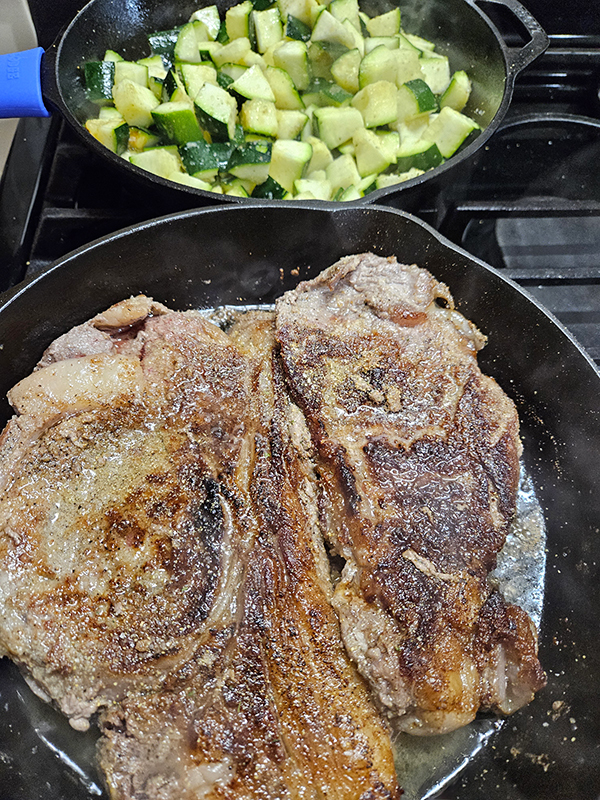
The Truth: While there is a bit of a learning curve to using cast iron, they aren’t hard to care for and use once you get the hang of things. And the benefits of cast iron cooking greatly outweigh the bit of convenience non-stick cookware provides. (See my article, “Cooking With Cast Iron – 5 Simple Steps To Cook Like A Pro!”)
Keep your pan properly seasoned. Reseason the surface after daily use if needed. Store your cast iron cookware in a cool, dry place once it has cooled to room temperature. Do not store the pieces with the lids on since this can trap excess moisture in the pan and cause rusting.
If stacking multiple pans, some people like to place a paper towel between the pieces. However, I found it better just to store them on top of one another as long as there is a bit of airflow between the pieces. Many people like to hang cast iron cookware on the wall or a display shelf. Some store them in special shelves. I just stick mine in my bottom kitchen cabinet.
With proper care, these cast iron pieces – whether you got them from your grandmother or purchased them new from a store – will last you a lifetime and become a precious heirloom for your family.
Until next time, thanks for stopping by!
– Chelsea
*This post may contain affiliate links. These are products I have used personally and highly recommend. As an Amazon Associate, I may earn a small commission from qualifying purchases if you purchase items through my links. These links and the ads on this page help to support my family and our semi homestead, so Thank You!
Discover more from Semi Homestead Life
Subscribe to get the latest posts sent to your email.