
When you decide to reduce food waste in your home, the goal isn’t to become “zero waste”. That is just too impractical for most people. Instead, it’s about being more intentional and recognizing ways to prevent as much food waste as you can, without it taking over your daily life.
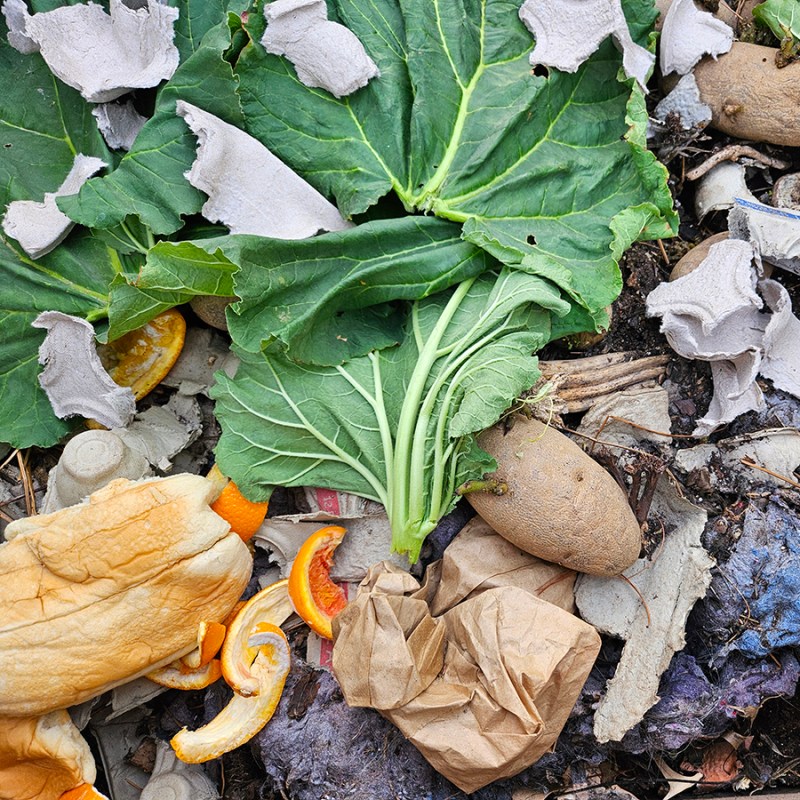
Food waste is probably one of the most overlooked sources of waste in the average household today. Unfortunately, it isn’t just leftovers from last night’s dinner that are the problem.
It’s the bag of rotting lettuce left untouched in the produce drawer. It’s the package of meat in the back of your fridge with the expired date. The loaf of bread with unidentified fuzzy green areas also contributes to food waste. All of these items and more contribute to food waste.
The good news is that you don’t have to make major lifestyle changes in order to make a big difference regarding food waste. Simple daily habits and a few tricks can make a huge difference in how you use the food you have, as well as help save you a bit of money in the process.
Why Try To Reduce Food Waste?
According to Feeding America, about 48 million people in the United States face food insecurities. That number boils down to about 1 in 5 children. And that’s just in America, let alone other countries worldwide!
On the flipside, the U.S. Department of Agriculture, the FDA (Food and Drug Administration) estimates that people waste an average of 218.9 pounds of food each year. That staggering number is PER person! Not only is it sad to think about all that food going to waste, but also all the money going out with the trash as well!
By helping to reduce food waste in our own homes, we can be part of the food insecurity solution as opposed to adding to the problem. These 10 tips will give you some great yet simple ways you can help when it comes to food waste.
#1: Meal Plan The Easy Way
To help reduce food waste, create some type of flexible meal plan. (“Flexible” being the key word here!) A lot of meal plans want you to assign a specific meal for every day of the week. While that might sound ideal, I personally don’t find it at all practical.
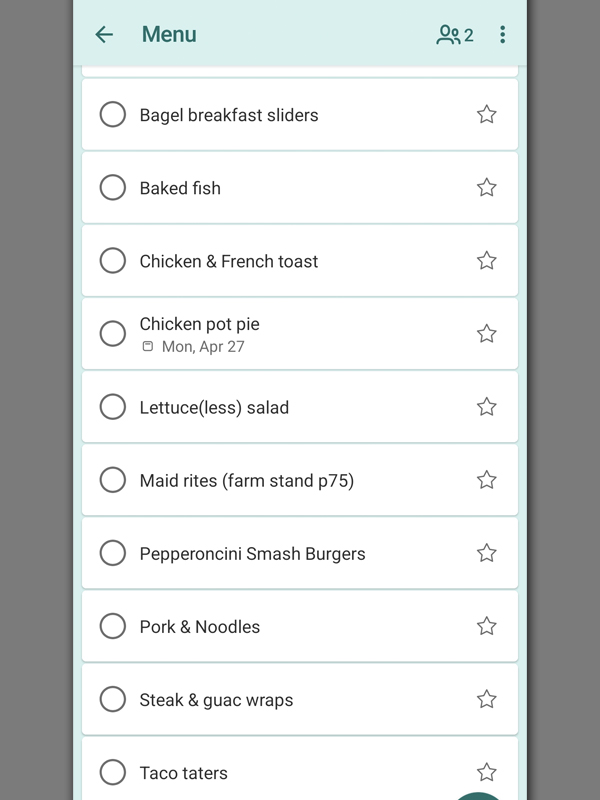
What I like to do is make a list of five to six meals for the week. I take into account one to two days for leftovers or possibly eating out, depending on that week’s schedule. I make sure that some of the meals are quick and easy for the days when I feel lazy or we are just busy. Then, I make sure a couple of the meals are a bit more labor-intensive or from-scratch style.
I then purchase all of the ingredients for those meals and store them using some of the tips below. The night before or in the morning, I pick one of the meals on the list to make and prep the ingredients accordingly. That way, if I don’t want to eat lasagna just because it is on the list for Wednesday, I don’t have to, and those ingredients don’t go to waste.
I like this type of loose meal planning because it gives me flexibility. This is especially important when you have kids because you never know what the night is going to look like. You also never know if you are going to have the energy to make a large meal.
Additional Food Planning Tip
If you need a meal planning idea that has a bit more structure, assign a type of meal for each night of the week. That way, it takes a bit of the decision fatigue out of the mix. Just make sure to assign a night or two for leftovers and eating out.
For example, make something taco-related every Tuesday (“Taco Tuesdays”!). The meal can be anything that uses taco meat seasoning, like Taco Mac, Taco Salsa Chicken, Taco Taters, Nachos, Taco Spaghetti, etc.
#2: Plan Bulk Ingredients For Meals
When you are meal planning, think about the individual ingredients you need to make each of those meals. Try to choose additional meals that use the same ingredients.
For example, if you only need half a container of half and half for one meal, pick another meal that will use up the other half of the container. That way, you aren’t left with half a carton of unused half and half that spoils before the next week of meal planning.
The same goes for produce. Don’t purchase a whole bag of spinach if you’re only planning on using half of it for one meal on your list. Add another meal to the list that will use up the rest of the spinach.
#3: Check Expiration Dates – Reduce Food Waste
When you are shopping for perishable items like produce, meats, cheeses, etc., make sure to look in the back for the best expiration date. Most of the time, grocery stores will put the newest items in the back of the shelf when restocking, causing those in the front to have expiration dates that expire the quickest.
When you get home from the grocery store, write down any perishable ingredients’ expiration dates on the same list as your menu. This is probably one of the easiest tips, but it is the one that has helped me reduce the most amount of food waste in our home.
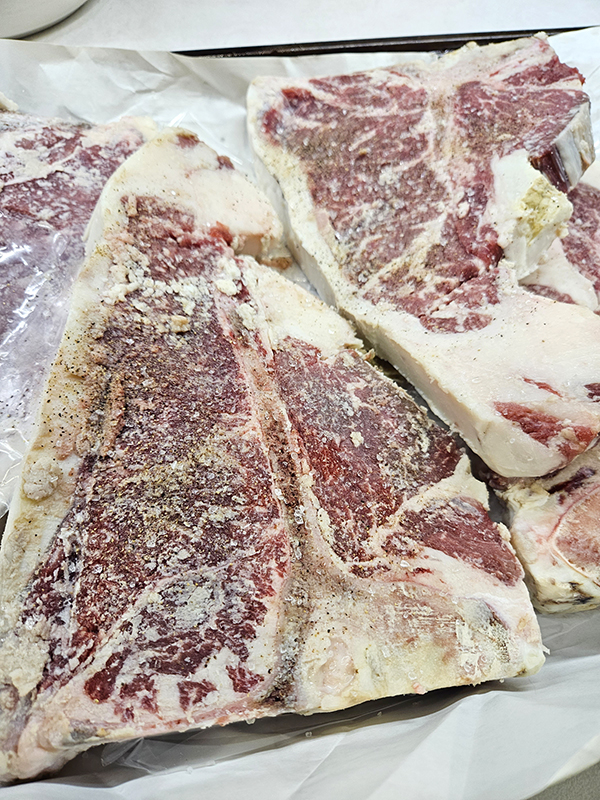
While I wish I could memorize each of the products’ expiration dates after I get home from the store, it never happens. My brain just doesn’t work that way. Because of this, I write the dates down right next to the menu item, so I won’t forget it.
I can immediately see that my chicken expires around so-and-so date. If I don’t cook the chicken before then, it might spoil and become wasted food (and money!).
#4: Use Food Expiration Dates As A Guide, Not A Rule
Use expiration dates as a guide, as opposed to a hard-and-fast rule. There is no universally accepted way to mark food dates. Manufacturers sometimes use dates to help tell consumers and retailers when the food is of the best quality. (In fact, with the exception of infant formula, dates aren’t even required by Federal law!)
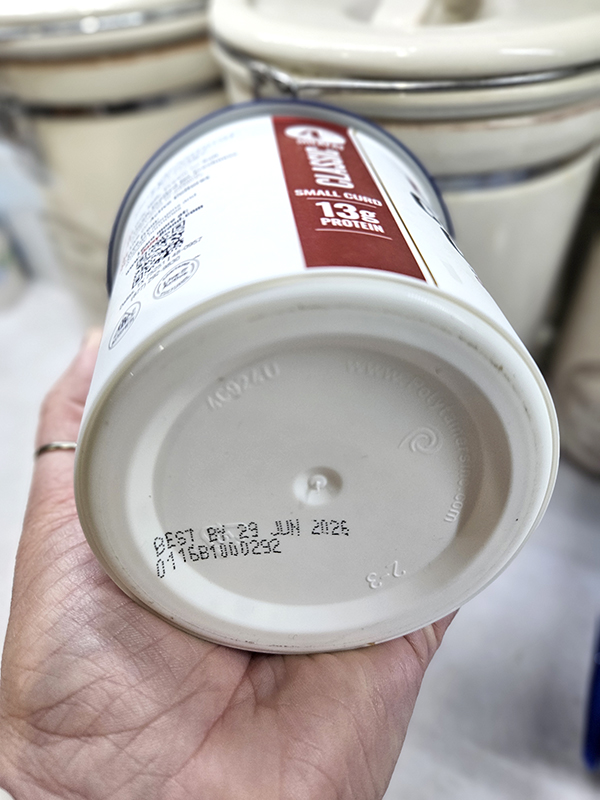
You may see a “Sell-By” date, which is more for the retailer to use for inventory purposes. A “Best-By” date means the item will have the best quality or flavor by this date. Lastly, a “Use-By” date simply means that is when the manufacturer recommends you use the product by for the best quality.
None of these dates are meant for food safety! Just because an item has a “Use-By” date of XYZ doesn’t mean the food immediately goes bad on that date. It is a guide on freshness and quality, not spoilage.
Here is a direct quote from the USDA Food Safety and Inspection Service on food dates: “The quality of perishable products may deteriorate after the date passes; however, such products should still be safe if handled properly. Consumers must evaluate the quality of the product prior to its consumption to determine if the product shows signs of spoilage.”
In addition, “With an exception of infant formula (described below), if the date passes during home storage, a product should still be safe and wholesome if handled properly until the time spoilage is evident. Spoiled foods will develop an off odor, flavor or texture due to naturally occurring spoilage bacteria.“
#5: Plan For Leftovers – Reduce Food Waste
It doesn’t matter how well you meal plan or how structured your schedule is, there will always be leftovers at one time or another after meals. Have a plan to use those leftovers. Don’t just allow them to sit in containers in your refrigerator and rot away.
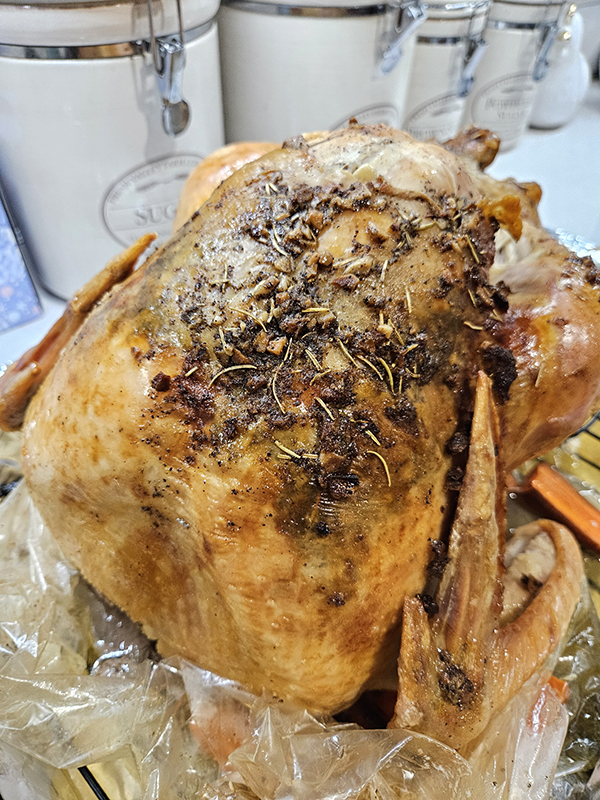
One way is to have a night of the week dedicated to eating leftovers. We kind of call it a free-for-all meal. We’ll set out all of the leftovers from the past week’s meals, and each person can choose whatever they want to eat for that night. (With two teens, it’s definitely a first-come-first-serve situation!)
Another way is to separate out the leftovers immediately after the meal is over into individual serving size glass food containers (Product Link). Then, when my husband or I need lunch the next day, we can just grab one of those containers and be on our way. (It’s a version of meal prepping, but only using leftovers.)
Lastly, you can freeze the leftovers. Instead of storing leftovers in the fridge to go uneaten, use silicone freezer containers to freeze the leftovers in personal sizes. I love using these Walfos Silicone Freezer Trays with Lids (Product Link). Once they are frozen, you can store the food blocks in freezer-safe bags. Then, when you need a quick meal, pull out the already-cooked freezer meals to warm and eat.
#6: Store Foods Properly – Reduce Food Waste
Another way to help reduce your food waste is to store your food properly. This applies both to the items in your refrigerator and those in your pantry. Improper storage probably accounts for a large number of products being tossed weekly.
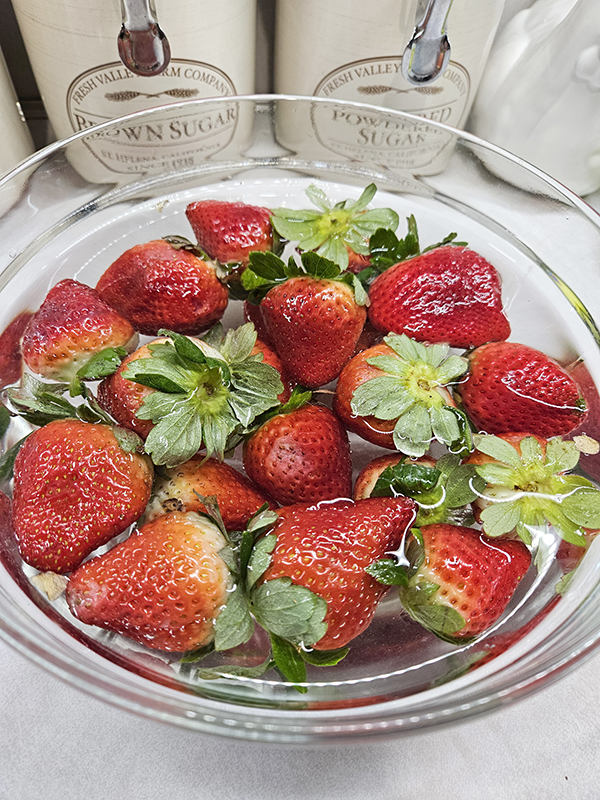
Store most of your produce in the refrigerator as soon as possible. Remove any spoiled products before storing to prevent the rest from going bad. Wash berries in a solution of one part vinegar to three parts water.
For dry goods, keep the containers closed and airtight. Use storage clear containers, clips, or even plastic bags where needed to keep foods fresh. (Have you ever opened up a mostly new bag of flour only to find those tiny black bugs inside? So frustrating and what a waste!)
A little time and investment now can make a huge difference in reducing your food waste in the long run.
#7: Organize Your Kitchen To Help Reduce Food Waste
Refrigerators and kitchen cabinets/pantries can hold a lot of food items at one time. It’s so easy for something to get shoved to the back and go unseen for weeks at a time. By the time you see the item, it’s long past its peak of freshness.
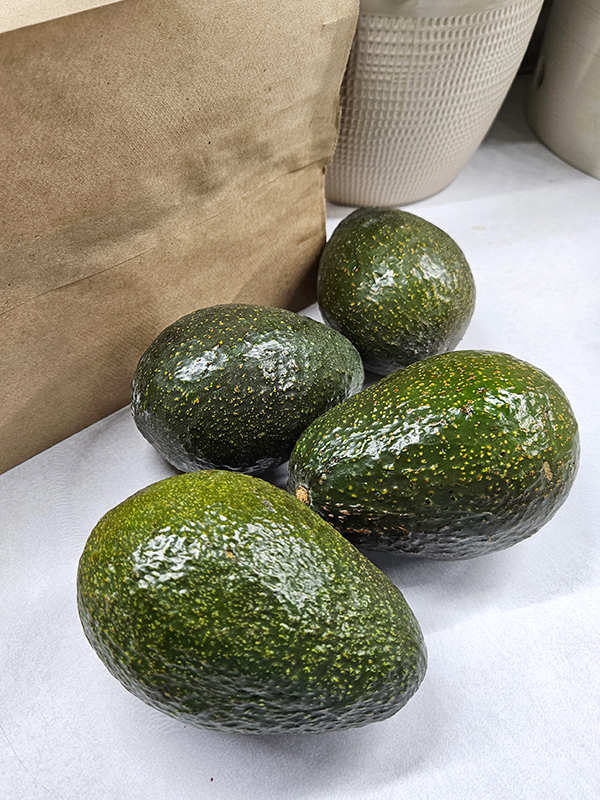
Go through your fridge every couple of days and make a note of produce and meat products that you need to use soon. Place those items closer to the front of the fridge or plan to incorporate them into your meals as soon as possible.
Do the same process with your dry goods or pantry items. Treat your cabinets like a grocery store. For example, if you purchase an additional bag of flour, put the oldest one in front and the new one behind. That way, you are always using the oldest item first.
#8: Preserve Excess Food
If you have an excess of some particular food products, one way to prevent food waste is to preserve it. When most people think of preserving food, they automatically think of canning. However, you don’t have to be an avid canner in order to preserve food.
(Canning also doesn’t have to be intimidating if you are new to the concept. Check out my article, “Canning Basics – Two Great Ways To Preserve The Garden”. Make sure you are using a tested recipe from a reputable site. The Ball Mason Jars & Canning website is a perfect resource.)

You can also freeze food, as I mentioned earlier, and there’s dehydrating. Dehydration is a great way to preserve food and prevent spoilage because it removes the moisture from foods and allows items to be stored for long periods of time. Often, those same food products can be rehydrated and used again.
#9: Donate To Local Food Banks
Most communities have local food banks that you can donate excess food to. Some even have those Mini Pantries (similar to a Mini Library). They are a great way to give back to the people who live and work around you.
The key is to donate items that are well sought after, easy to use, and aren’t spoiled or expired. Foods that are low in sugar and fat but high in nutrients and protein are ideal. Think canned meats or fish, canned vegetables, pastas, rice, oatmeal, and even peanut butter.
Items that are shelf-stable are also preferred. However, our local food bank also provides fresh produce, especially if you are a gardener and maybe have a bumper crop. Donating your extra produce is a great way to reduce food waste while helping those in need at the same time.
#10: Compost What You Can – Reduce Food Waste
Lastly, realize you most likely won’t be able to go 100% food waste-free. Some of the food will spoil or go bad before you can use it. However, that doesn’t mean you have to toss it in the trash to fill up our landfills.
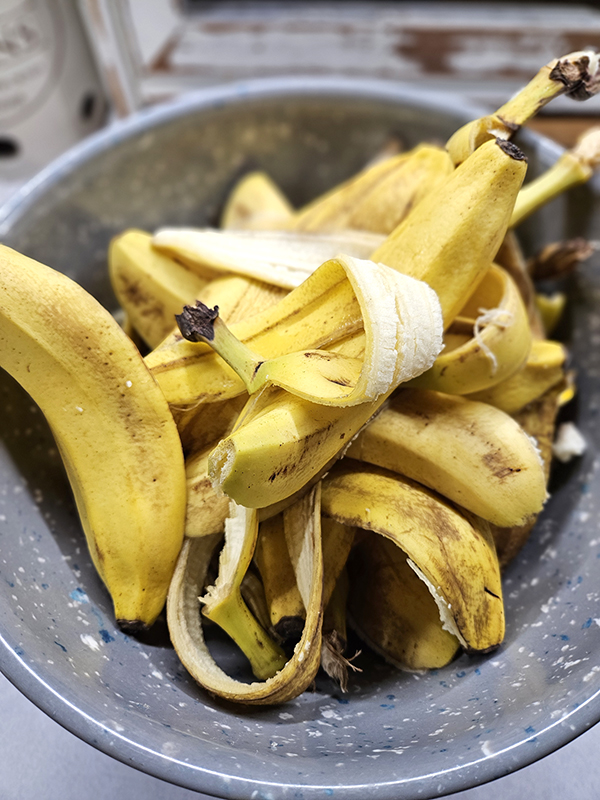
If you have the space and are a gardener like me, I highly suggest you create a compost pile at home. Composting breaks down all sorts of different materials into a soil product that can be used in your garden or anywhere plants grow. It is packed full of nutrients and organic materials that can then be used to power plants of all kinds.
Just like reducing food waste, composting doesn’t have to be complicated either. If you want more in-depth information about composting, check out my other articles:
- “Making Compost The Easy Way – A Gardener’s Secret Weapon!”
- “Materials To Compost – Create The Best Compost For Your Garden”
- “Simple Compost Tea – A Natural Fertilizer “Drink” For Your Plants”
Hopefully, by implementing a few of these tips into your daily lives, you will be well on your way to reducing food waste and saving yourself money at the same time!
Until next time, thanks for stopping by!
– Chelsea
*This post may contain affiliate links. These are products I have used personally and highly recommend. As an Amazon Associate, I may earn a small commission from qualifying purchases if you purchase items through my links. These links and the ads on this page help to support my family and our semi homestead, so Thank You!
Discover more from Semi Homestead Life
Subscribe to get the latest posts sent to your email.