
One question that often gets asked in the gardening world is whether or not you can compost tomato plants and tomatoes. While in some cases, this would be ok, most often it’s better to leave your tomato plants far away from your home compost pile.
Tomato plants are likely the most common plant for home gardeners to grow. They come in hundreds of different varieties and types, grow fairly easily, and produce loads of fresh tomatoes for gardeners to harvest.

However, tomato plants are also known for becoming victims of all sorts of diseases and pests. While some gardeners simply toss these dying plants into their home compost pile, it’s not really the best choice. Adding diseased and pest-ridden plant material to your pile can open up a huge can of worms, and not the kind of worms we actually want in our home compost piles!
Most home compost piles simply can’t get hot enough to properly kill off any pathogens or bacteria that are left growing on those tomato plants. So what can you do with those faded plants, and when is it actually ok to compost your tomato plants?
Can You Compost Tomato Plants?
How Compost Piles Work
Let’s do a quick recap of what composting is and how it works. Composting is the process of breaking down materials to create a nutrient-dense soil amendment that is packed with organic matter. The finished compost can then be added to power plants of all types. At the same time, the compost also helps to improve the soil composition and increase drainage.
To create compost, you add certain materials to a pile or bin together. These products are considered either “green” or “brown”. Green materials are high in nitrogen and help to heat compost piles. Brown materials are filled with carbon and help to add oxygen to the pile as well as break down materials.

The combination of green and brown materials helps to speed up the decomposition process by using oxygen and heat. Water also somewhat comes into play. (For a deep-dive into composting basics, check out my article “Making Compost The Easy Way – A Gardener’s Secret Weapon!”)
While home compost piles are great for keeping materials out of landfills and creating amazing soil for gardeners, they aren’t able to heat up as high or for as long as, say, a commercial compost pile. That’s where issues from tomato plants come into play.
The Issue With Tomato Plants
Whether you grow tomato plants in raised beds, a traditional in-ground garden, or pots and containers, they are one of the most problematic crops. Sure, they are one of the most common, but they are often carriers of several plant diseases like early blight, late blight, powdery mildew, leaf septoria spot, and other bacterial diseases.
These diseases can live in the soil or be brought about by rain, wind, animals, and even yourself. And once they take hold of a plant, they are often difficult to remove. Not only that, but the diseases can easily overwinter in the soil, causing issues for next year’s garden as well.
In addition to diseases, pests also affect tomato plants. Aphids, tomato hornworms, tomato fruitworms, cutworms, leafminers, stinkbugs, whiteflies, and more all love tomato plants just as much as you do.

Removing Tomato Plant Material
If you notice signs of diseases or pests on your tomato plants, the affected foliage should be removed immediately. This helps to possibly stop the issues from progressing and spreading. If left unchecked, they can easily spread from plant to plant, eventually taking down your entire tomato crop – and more!
But instead of tossing the pruned diseased foliage into your compost pile, separate care needs to be taken to dispose of the plant matter. This is because most home compost piles simply cannot heat up to a high enough temperature for a long period of time to destroy all pathogens and pests. This is especially the case in cold, poorly managed compost piles.
Those pathogens and pests are then living in the pile, hanging out as the plant matter decomposes and breaks down. Then, wherever you use the finished compost, the issues can take hold of any newly planted plants.
What About Unripe Or Rotten Tomatoes?
The same principle applies to the fruit left behind. They also shouldn’t go in home compost piles. Just think about how many seeds are within a single tomato. There can be hundreds of little seeds, just waiting until conditions are right for sprouting and growing into new plants.
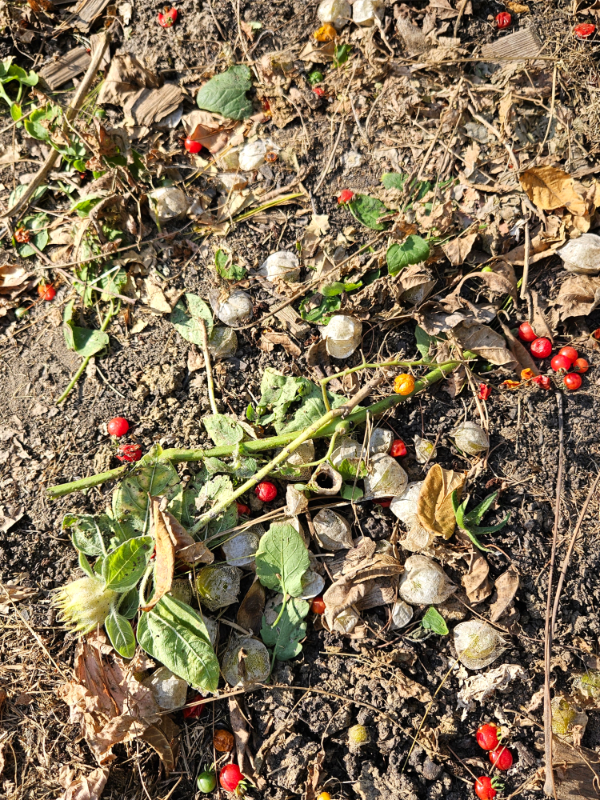
If you toss even one tomato into your compost pile, you can be looking at loads of issues when you go to use the finished compost. Tomato seeds can lie dormant in home compost piles for months. This is especially true for the seeds left within a rotting tomato.
Tomato seeds have a tough coating that prevents standard decomposition. In order for the seeds to be killed, compost piles need to be around 135 to 160º Fahrenheit for an extended period of time. That just doesn’t happen often with home piles.
So when you go to use the finished compost in your garden the following season, you are essentially “planting” hundreds of tomato seeds wherever the compost is used. This leads to loads of volunteer tomato plants. While that might sound like a good thing, most volunteer plants will not be a desirable variety and tend to make a mess in your garden.
So What Can You Do With Tomato Plants?
Now that we’ve talked about why you shouldn’t compost tomato plants, what can you do with the plant matter you remove? You really have a couple of options.
First, see if your local municipality has a composting facility. Some larger communities have places where residents can drop off yard waste, or the waste is collected and then added to a huge compost pile. These locations usually have no issues heating up to the required temperature to kill off tomato seeds and pathogens.
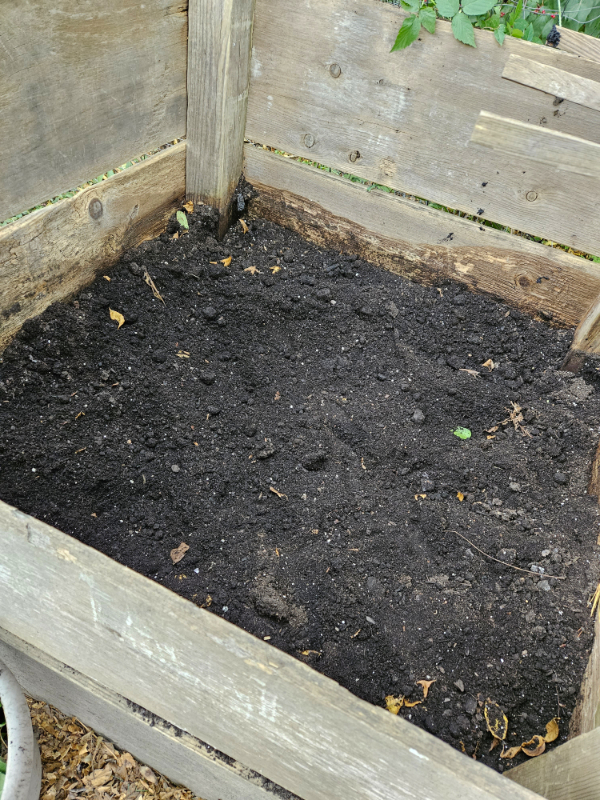
Another option is to see if your community has a yard waste collection site. Here in our little village, we have a spot where the residents can drop off yard waste in one large pile. While the materials aren’t turned into compost, they are burned instead.
If you don’t like that idea, you can always burn the plant materials yourself. Or, dispose of them in a special pile that lives FAR away from your garden. The plant matter can decompose naturally. Just don’t plan on using the finished compost it makes for your garden.
When Can You Compost Tomato Plants?
If your tomato plants are completely healthy and show no signs of disease or pests, you can compost them. This really goes for all plants in your garden. (No diseased plants of any kind in your pile!) If your plants made it all the way to the end of the growing season and are only turning yellow due to natural aging, then feel free to toss them into your pile.
When adding the plant material to the compost pile, cut it up into smaller pieces. The smaller the pieces are, the faster they break down and decompose.
Since tomato plants are considered “green” materials, add lots of brown materials at the same time. Items like dried leaves, shredded cardboard, straw, etc., all add carbon to the pile and help balance out the nitrogen.
Personally, I don’t compost anything that comes from my tomato plants. That’s just a personal choice because I’d rather err on the side of caution. I just have a separate pile where I toss that plant material. It’s the best of both worlds: I don’t add to the landfills, and yet I keep my garden soil safe.
Until next time, thanks for stopping by!
– Chelsea
*This post may contain affiliate links. These are products I have used personally and highly recommend. As an Amazon Associate, I may earn a small commission from qualifying purchases if you purchase items through my links. These links and the ads on this page help to support my family and our semi homestead, so Thank You!
Discover more from Semi Homestead Life
Subscribe to get the latest posts sent to your email.