
If you raise chickens and have a vegetable garden, then you automatically have a great way to help get rid of some of those garden scraps – by allowing the birds to eat them! However, not all items from your vegetable garden should be fed to your flock.
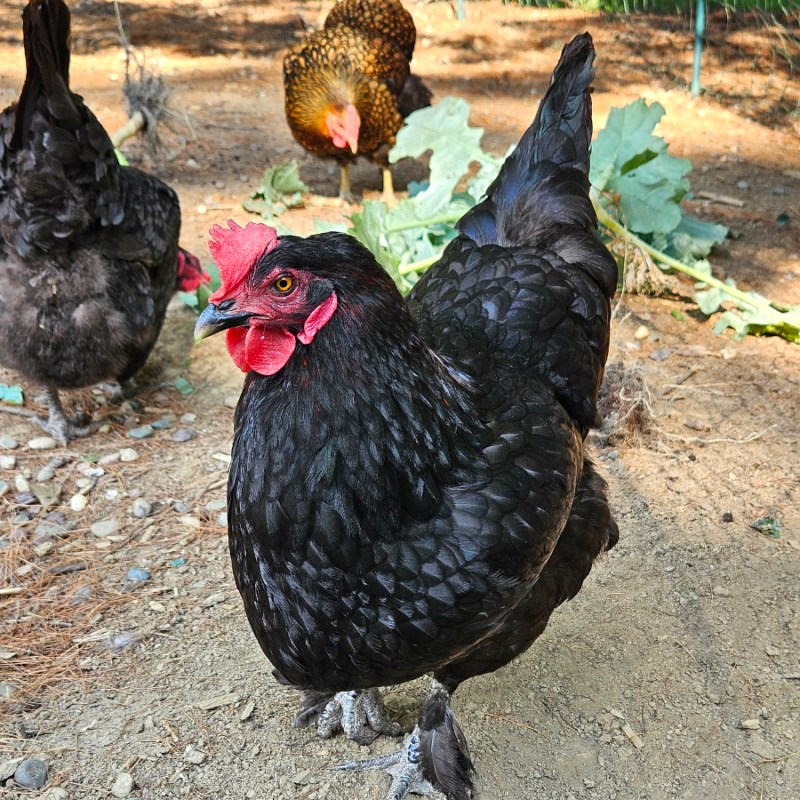
Chickens are like little garbage disposals. While they might be a little pickier than pigs, chickens can still help you prevent waste from your garden harvest.
From produce to plant foliage, there is quite a bit that chickens can eat. And while our late grandparents might have tossed anything and everything into the chicken run, we now know that some items are better left out. In this article, I’ll go over some great items your flock can eat as well as the materials they shouldn’t.
What Chickens Can Eat From Your Garden
Thankfully, there are a ton of garden scraps that chickens will usually enthusiastically eat. They have no issues chowing down on vegetables and fruit that are overripe, odd-shaped, or damaged. This allows them to be quite the helpers to most gardeners!
Just note that you want any type of scraps to be considered a treat as opposed to their main source of nutrients. Chickens still need to get around 85 to 90% of their calories from chicken feed. Anything else is considered a treat.
This list doesn’t include EVERY item you might grow in your garden, but it should cover most of the basics:
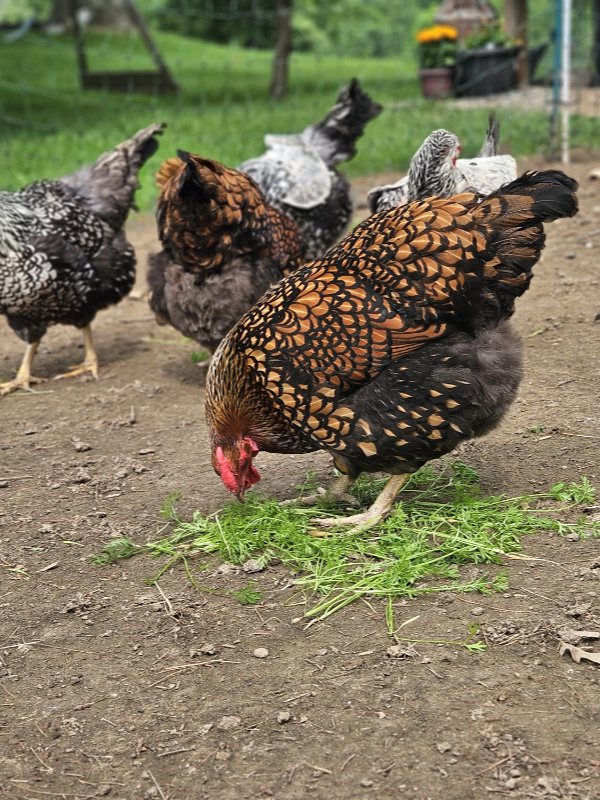
Vegetables & Greens
- Basil
- Bell Peppers
- Broccoli
- Carrots
- Cauliflower
- Chickweed
- Cilantro
- Clover
- Cucumbers
- Dandelion Greens
- Green Beans
- Kale
- Lettuce
- Oregano
- Parsley
- Peas
- Potatoes (cooked)
- Pumpkins
- Summer Squash
- Sweet Corn
- Sweet Potatoes (cooked)
- Tomatoes (ripe only)
- Winter Squash

Fruits
- Apples
- Bananas (peeled)
- Berries
- Cherries (remove pits)
- Grapes
- Melons
- Peaches (remove pits)
- Pears
- Plums (remove pits)
What They Shouldn’t Eat – Can Chickens Eat Garden Scraps
Some people who raise chickens might tell you that they throw every garden scrap into their chicken yard, but that isn’t the best practice. If you want to keep your chickens healthy and laying happily, follow these tips on what not to feed your chickens from your garden.

Green or Unripe Nightshade Fruits & Their Foliage – The green part in unripe tomatoes, potatoes, and other nightshade plants contains high levels of a compound called “glycoalkaloids”. This compound is not safe for chickens. While ripe tomatoes are completely fine, unripe ones aren’t. This also includes the leaves and stems of these plants as well.
Avocado – Avocados contain a compound called “persin” that can be toxic to birds. It is most concentrated in the skin and pit. While the flesh might be safe, it’s best just to avoid giving them avocados and toss them in your compost bin instead.
Rhubarb Leaves – Rhubarb leaves contain a high level of oxalic acid. This chemical is toxic and should not be fed to chickens (as well as humans!). The stalks are safe, but they are harder for chickens to eat. It’s best to just save those for yourself!
Other Items To Not Feed – Can Chickens Eat Garden Scraps?
Moldy or Spoiled Produce – Some molds can produce toxins that can make chickens sick. It’s much safer and better to either compost or toss rotten or moldy produce.

Diseased Plant Matter – When you are cleaning out your garden and removing any diseased plant matter, don’t just toss it into the chicken yard. Even though the chicken might still consume these materials, it’s just best to keep them out of the yard and give them something else as a treat instead.
Anything Treated With Chemicals – If your yard or garden has been sprayed with pesticides or herbicides, avoid feeding that plant matter to your chickens. At the very least, follow the instructions for how long to properly wait before allowing humans/animals to consume the products, if allowed. Also keep chickens from walking in these spaces until safe.
Unknown Plants or Weeds – If you don’t know what is growing in your vegetable garden or yard, err on the side of caution and do not feed them to your chickens. This is especially important with ornamental plants or weeds.
Commonly Asked Questions
What about common weeds? Most common weeds are completely fine to feed to your chickens. This includes chickweed, clover, dandelions, and untreated grasses. If you don’t know what the weed is, however, compost it instead.
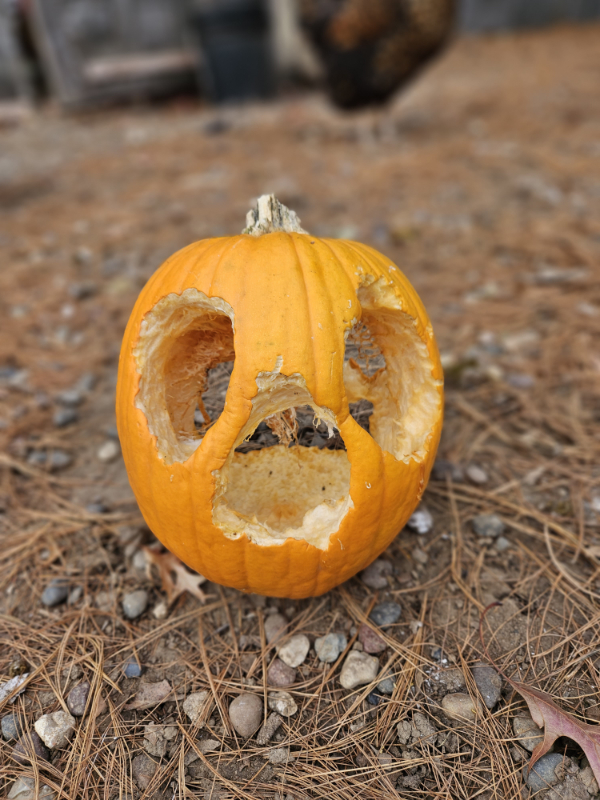
Can chickens eat garden scraps daily? Yes, there is no problem with the birds having daily treats as long as their main source of nutrients comes from a nutritionally complete chicken feed. Again, just make sure to limit the quantity to around 10 to 15% of their overall diet.
What garden scraps should I limit? Try to offer your birds a bit of variety as opposed to loads of the same item. Too much of one thing isn’t good, whether you are a chicken or a person!
For the most part, chickens will not usually eat items that will make them sick. Most animals have a natural instinct to avoid poisonous or bad items, but you can still help them out and give yourself peace of mind at the same time by following this guide.
For More Chicken Raising Tips
I have loads of articles on my website about raising chickens, especially for those of us who have busy families. Here are a few that you might want to take a look at, especially if you are newer to backyard chickens:
- Summer Chicken Care Checklist: Keep Backyard Chickens Safe
- Cold Hardy Chickens – The Best Winter Breeds & Other Cool Tips
- Using Sand As Litter In Chicken Coops – How To Use Sand
- Why Chickens Molt, When It Happens & What You Can Do To Help
- Stopping A Broody Hen – Why & How To Break A Broody Chicken
- Myths Or Facts On Chicken Eggs: What Is Actually True
- Different Chicken Combs And Why It Matters To Your Climate
- Vacationing & Raising Chickens – Keep Them Safe While Away
Until next time, thanks for stopping by!
– Chelsea
*This post may contain affiliate links. These are products I have used personally and highly recommend. As an Amazon Associate, I may earn a small commission from qualifying purchases if you purchase items through my links. These links and the ads on this page help to support my family and our semi homestead, so Thank You!
Discover more from Semi Homestead Life
Subscribe to get the latest posts sent to your email.