
Even though the daylight hours are getting shorter and people are starting to think about fall, August is still one of the busiest months in the garden. That’s why having an August Gardening Checklist for those of us living in Growing Zone 5 can come in real handy, especially if you are a beginner gardener.
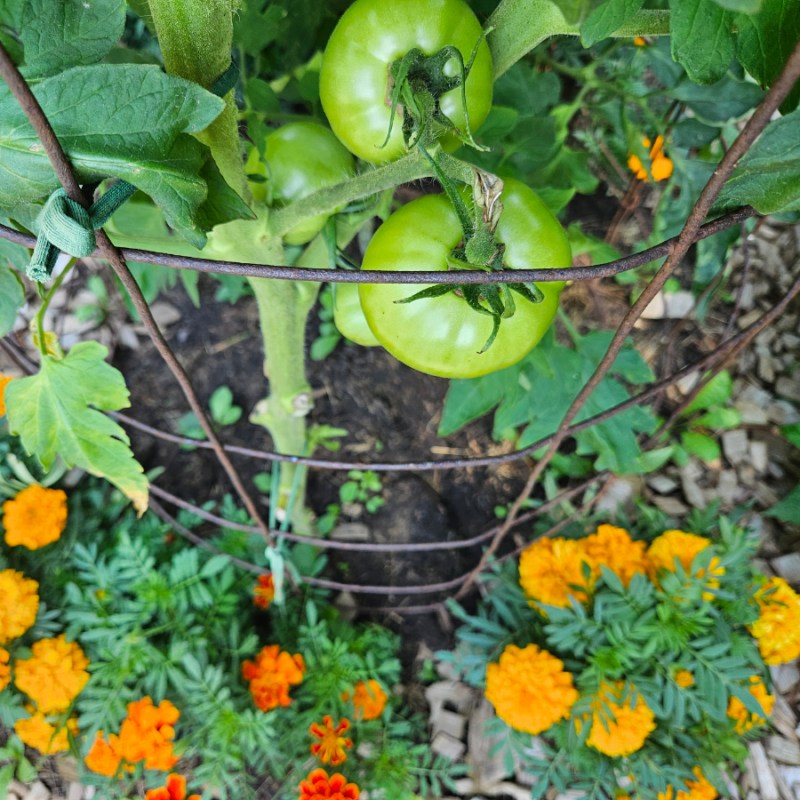
Between harvesting loads of summer vegetables, preserving what you can, staying ahead of weeds, and preparing for fall, there’s still plenty to do for most gardeners. And that doesn’t even take into account planting cool-season crops! (Yes, you can still plant some crop seeds in August and still have time for harvests!)
With a little planning and continued work, you can extend your growing season long into the fall months while also setting yourself up for a relaxing winter season.
1. Keep Watering Regularly
August in Growing Zone 5 usually brings about super hot weather. It’s not odd for us to see triple-digit “feels like” temperatures. However, it’s probably around this time that you might start to get a little burnt out with your gardening chores. (I know I do!)
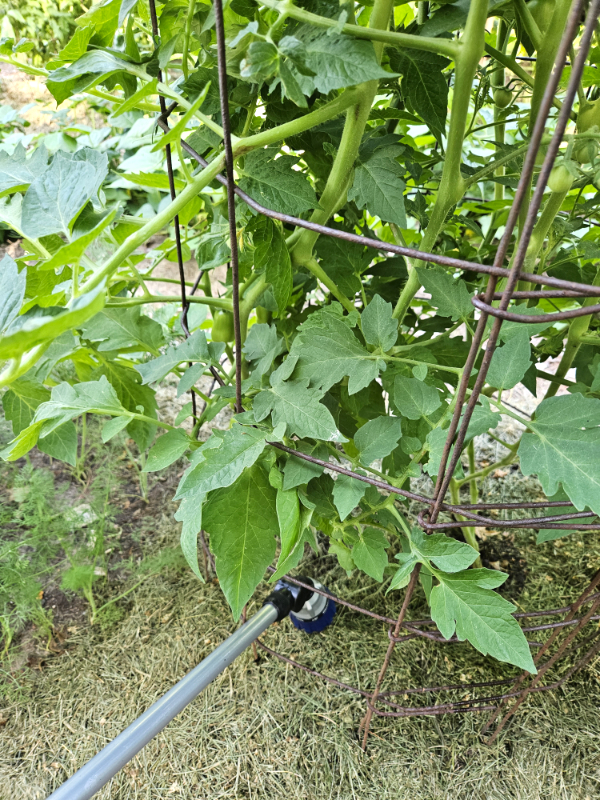
No matter what, it’s imperative that you still stay on top of watering. Unless you are lucky enough to get weekly rain showers that are dumping around an inch of water each week, chances are you need to hand-water your garden. Doing so regularly helps to keep your plants healthy and producing.
I have an entire article dedicated to watering your garden properly, “Watering Your Garden For Success – A Full Beginner’s Guide”. However, here are some quick, rapid-fire tips:
- Try to water plants in the morning as opposed to the middle of the day.
- Water plants at the base as opposed to overhead.
- Water deeply, giving them a good drink. (Avoid watering frequently with shallow “drinks”.)
- Apply more mulch if needed to help retain moisture.
- Most plants need around an inch of rainfall or hand watering weekly.
2. Harvest Crops Regularly – August Gardening Checklist
August is the time to really amp up your harvesting. You might be surprised to learn that just a day or two can really make a huge difference in the growth and size of fruits and vegetables. (I’m talking to you, zucchinis!)
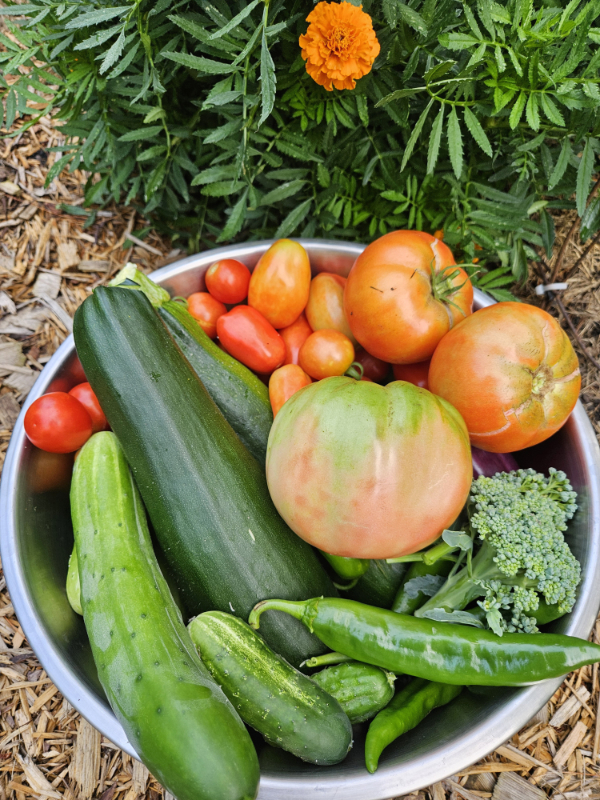
The more often you harvest your summer crops, the more energy the plants can use toward producing more blooms and fruit/vegetables. This includes crops like cucumbers, green beans, peppers, tomatoes, and zucchinis.
For some crops like tomatoes, harvest the fruit before they are fully ripe. This usually results in cleaner, better fruit than allowing them to fully ripen on the plant. (See my article, “Picking Tomatoes Early – The Benefits Of Ripening OFF The Vine” for the in-depth reasons why and tips.)
Also, don’t forget to harvest those cut-and-come-again flowers for continued blooms. Many warm-weather-loving annuals and perennials will keep on blooming until the first frost. This includes zinnias, cosmos, marigolds, etc.
3. Preserve That Produce
By August, you are likely overflowing with garden produce if you live in Zone 5. That makes this timeframe perfect for preserving all those items you can’t immediately consume or share.
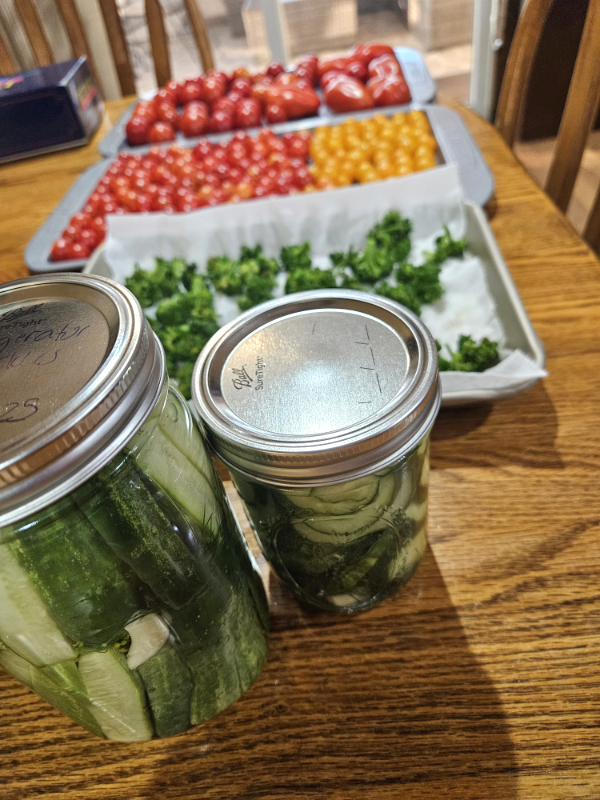
Home canning is one of the most common methods of preserving garden harvests. Water bath canning works great for high-acid items like pickles and salsa, while pressure canning is needed for low-acid items like sweet corn and green beans. The main thing is to use a safe and tested recipe when home canning.
You can also preserve a ton of garden produce and fruit by freezing. I love using this method, especially if I am overwhelmed and can only do so much home canning right away. For example, if I have a ton of tomatoes ripe at the same time, I can pop them into freezer-safe bags and do the canning at a later time. One of my all-time favorite books with recipes and tips on freezing garden produce is “Freeze Fresh” by Crystal Schmidt (Product Link).
Another option is to dehydrate garden produce. I love using this option for preserving herbs and to make all sorts of yummy shelf-stable items like zucchini chips, garlic scapes, mushrooms, etc.
4. Keep Up On Weeding – August Gardening Checklist
The July garden is my favorite here in Zone 5. The plants are healthy and growing well. They are usually just starting to produce fruit and vegetables to harvest. The flowers are blooming strongly. Pests and diseases usually have yet to take hold and make the plants look shabby and weak.

However, by August, the garden starts to take a bit of a backseat. Plants start to grow out of hand and become unruly. Weeds begin to take hold, as well as all those creepy crawlies you might not have had time to remove or keep up with.
No matter how crazy or wild the garden gets in August, try your best to keep up on weeding and pruning. Adding a new, fresh layer of mulch can help substantially with this task. But even with mulch, you will likely still end up with stray weeds here and there.
Pull them up before they go to seed so you can prevent an even bigger headache next year. If the weeds are struggling to come up, wait until the day after it rains or you water to make them a bit easier to remove.
5. Care For All Plants
In addition to weeding your garden, you also need to remove any plants that are on their way out or dying. This most likely includes your cool-weather crops like sugar snap peas, lettuces, broccoli, etc. If you planted them in early spring, chances are you have harvested as much as you are going to.
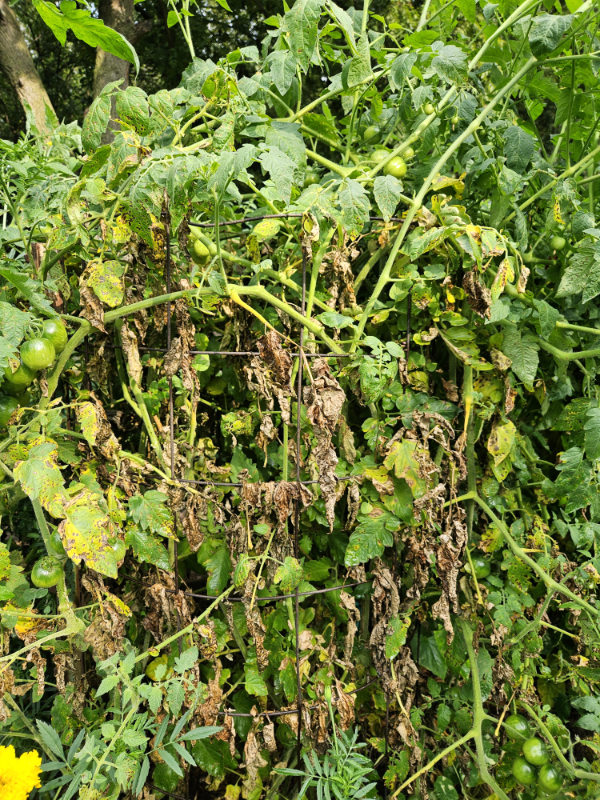
Leaving dead or dying plants in your garden is only inviting pests and diseases to take hold. They thrive on weak and stressed-out plants. The sooner you get them out of your garden, the better.
This also goes for diseased plants. Remove any damaged plant matter as soon as you see it. Otherwise, what starts out as a small issue can become a huge one before you know it.
Even the healthy plants in your garden need a little LTC by the time August rolls around. Most of the time, that involves a bit of pruning or deadheading, but it can also involve staking up plants or giving plants a little nutrients.
By August, you don’t want to give plants a heavy feeding. Instead, using products like compost, compost tea, or just light doses of fertilizer are plenty. Avoid fertilizers that are high in Nitrogen since we are no longer focusing on plant growth and foliage but more on flower and fruit development. (See, “Understanding Fertilizers – What Does NPK Mean & How To Use It”.)
6. Treat Diseases And Pests
Pests and diseases start to run rampant in August here in Zone 5. The hot, humid weather combined with warm nights makes the perfect breeding ground for these issues.
One of the most common August diseases is powdery mildew. It thrives in temperatures around 60 to 80º Fahrenheit and high humidity – conditions that are super common here by August.
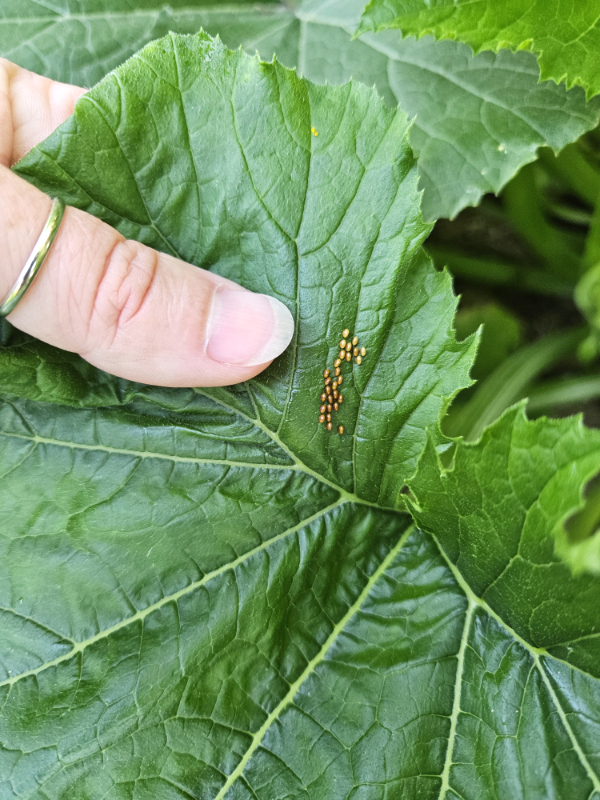
As far as August pests are concerned, watch out for tomato hornworms, squash vine borers, whiteflies, and aphids. In addition, squash bugs also multiply easily during August if left unchecked.
Check plants regularly for signs of any issues and take steps to treat them as soon as possible. I always try to use as many natural and organic methods as possible when I first spot damage. However, sometimes you have to bust out the big guns to get the job done to save the rest of your plants and harvest. You won’t catch any judgement here from me if that is the case! However, be sure to follow the product’s label and use it only as instructed to cause the fewest problems down the line.
7. Plant New Cold Crops – August Gardening Checklist
Even though your summer-loving crops may be winding down on production by August, that doesn’t mean you have to be done gardening in Zone 5. In fact, there are plenty of cold weather crops you can plant ASAP and be able to harvest long into the fall months.
Since we are in Growing Zone 5, we usually experience our first frost around mid to late October. By August 1st, that gives us about 74 to 81 days of growing time on average. (Source) Keep that timeframe in mind when choosing what plants you want to grow. In addition, you need crops that thrive in cooler temperatures and can handle less sunlight than summer crops.
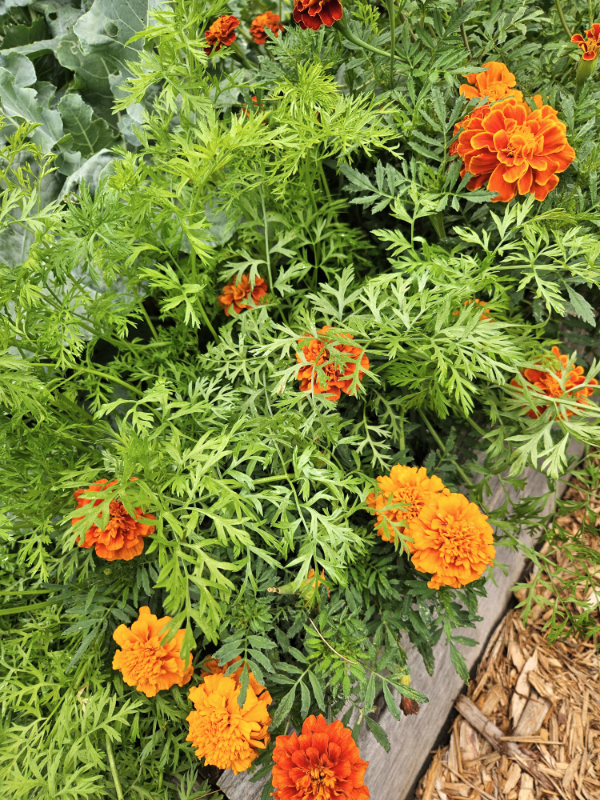
Some of the best crops to plant now include all sorts of leafy greens like lettuces, kale, and spinach. It’s also great for fast-growing root crops like beets, radishes, turnips, and carrots.
There are several herbs you can plant and grow as well, like cilantro, dill, green onion, and parsley. You might even be able to get a second planting of bush green beans or cucumbers if you choose the right varieties. And don’t forget those sugar snap peas!
Some cool-weather crops do better as transplants by August. This allows them to have a slight head start on the growing process. Think broccoli, cabbages, and cauliflowers.
Once you have these tasks done, bring on September!
Until next time, thanks for stopping by!
– Chelsea
*This post may contain affiliate links. These are products I have used personally and highly recommend. As an Amazon Associate, I may earn a small commission from qualifying purchases if you purchase items through my links. These links and the ads on this page help to support my family and our semi homestead, so Thank You!
Discover more from Semi Homestead Life
Subscribe to get the latest posts sent to your email.