
While water is essential for all plants to live and grow, sometimes too much rain can end up being a big issue for your garden. How can you tell if your garden has signs of overwatering, and what can you do about it?

It’s been cloudy and raining for days. While a good rainfall is normally a welcome sign for gardeners, it can bring about too much water for your plants.
Sure, plants need water to survive and thrive, but their roots also need oxygen. Waterlogged roots also can’t bring up and distribute nutrients and other resources throughout the rest of the plant.
In addition, constantly moist conditions can bring about diseases, rotting, and unwanted pests. Throw in a little bit of soil compression and injured plants from strong winds and hail, and your garden can be a wreck in no time at all!
So what can you do? How do you know when your garden soil really has been overwatered? I’ll break down the signs of overwatering, give you a few tips on what to do if excessive rain becomes a problem, and help set you up for success for next year as well!
Signs Of Too Much Rain In The Garden
Let’s start with the obvious sign of too much rain in your garden: There will be standing water. Soil can only absorb so much moisture. So if there is still standing water two to three hours after rainfall, that should set off some red flags.
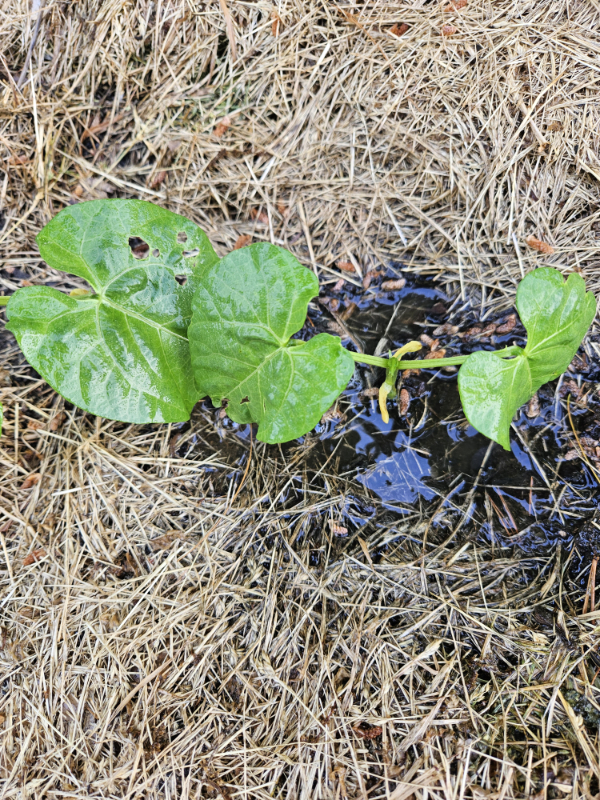

Even without standing water, the soil might be completely waterlogged. Look for muddy soil that clumps together when you squeeze it. Clay soil is especially susceptible to this. (Lucky me because that’s what we have here on our semi homestead!) If waterlogged soil can’t dry out quickly, it will cause long-term damage to your plants.
Another way to see if your garden has received too much rain is to look at the leaves of your plants. Yellowing leaves are a big indication of stressed and waterlogged roots. However, just because your leaves are yellow doesn’t automatically mean too much rain. There are lots of reasons that can cause yellowing leaves.
In addition to the yellowing leaves, plants will start to wilt, have stunted growth, and eventually die completely. This is caused by root rot. Root rot starts to happen if plants are sitting in constantly wet soil. Cracked or splitting fruit can also indicate excess moisture, especially in crops like tomatoes. (See “Why Tomatoes Crack and Split, And What You Can Do About It”.)
Lastly, compacted soil can also be a problem after multiple heavy rains. When the soil eventually dries, especially at the surface level, it can become hard and solid. This can cause even more drainage issues in the future since moisture can’t easily penetrate deep down.
What To Do After Heavy Rain
So what should you do after a period of heavy rainfall? Usually, one storm isn’t enough to cause a huge issue for most gardens. However, if you are dealing with back-to-back storms (especially if you are in the Midwest like we are), then it’s time to take action.

First off, don’t water your garden! This might seem like common sense, but it’s still worth noting. Hold off on providing your plants with additional water, even after a few hot days. Remember, most plants only need about an inch of hand watering and/or rainwater each week.
To know when it’s time to water, don’t go off of the look and feel of the first few inches of the soil. Instead, check the soil deep down where the plant’s roots are. While the surface might look cracked and dry, the soil beneath can still be waterlogged. Using a Probe Plant Soil Moisture Meter (Product Link) can make this process easy and foolproof.
If there is standing water in containers or raised beds, pour it out or remove it immediately. Ensure any containers you use have proper drainage holes to prevent future issues.
Temporarily remove the mulch in areas where drainage is an issue. This can allow the soil to dry out faster than if it were still covered. It can also help to warm up the soil more quickly, especially on sunny days.
Additional Steps To Take
Don’t walk on the soil if it is very wet. The compaction will cause the water to drain even slower. This is when having dedicated growing areas and walking areas can come in handy. The walking areas should be covered in woodchips or mulch, giving you a space to move that won’t matter if you compact it.
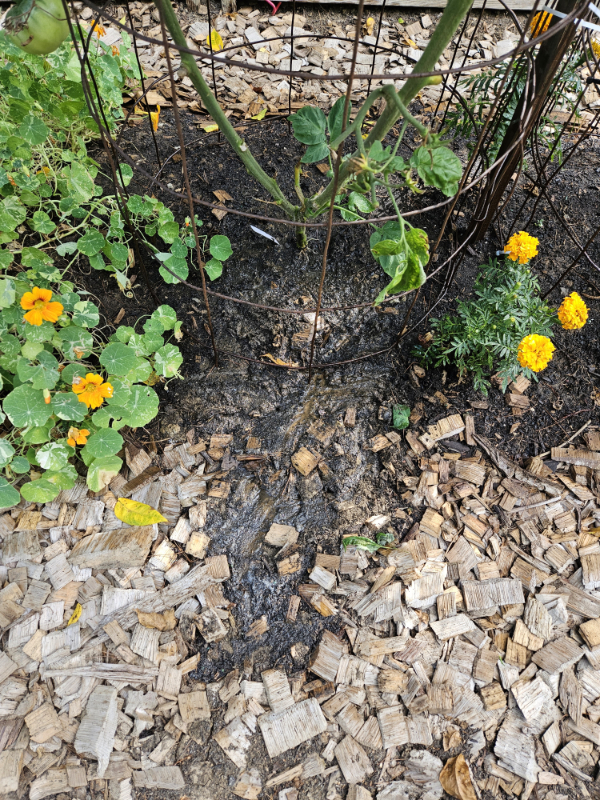
Look for any signs of erosion of soil. Heavy downpours can cause soil to wash out and erode within your garden space. If you see soil erosion, especially around the roots of your plants, add more soil or compost to cover the roots completely. Lightly tamp the soil down into place. Adding mulch over the soil will help to eliminate or at least reduce soil erosion in the future.
Remove any damaged or diseased plant matter from your garden space immediately. Leaving them behind only invites pests like slugs and earwigs and diseases like blight and powdery mildew to take hold.
Prune overgrown plants to help improve airflow. The more airflow there is around the plants, the faster they will dry out. Also, prune up the bottom 12 to 18 inches from your tomato and pepper plants to help discourage soil-borne diseases from splashing up onto the plants.
What To Consider For Next Year
Some years, you just can’t win. No matter how you protect your garden and try to prevent overwatering, ultimately you have no control over Mother Nature and rainfall. However, there are some steps you can take for the following year to get ahead of the gardening game.

First off, choose native plant varieties. These are plants that are used to growing in your climate and conditions. Because of this, they are able to handle mild disruptions in rainfall and temperature swings that summer can throw your way.
Along with choosing native plants, look for plants that are resistant to pests and fungal diseases that can run rampant during long stretches of heavy rainfall. While no plant is completely immune to issues, some hybrid varieties have built-in resistances that can make them more adaptable and allow them to withstand mild issues.
Next, amend the soil. This is the best way you can improve soil drainage and reduce standing water in your garden. To do this, add in loads of compost and other sources of organic matter to your existing soil.
Think grass clippings, shredded leaves, straw, etc. Not only will these materials allow the water to drain from the soil better, but they will reduce compaction and allow your soil to have an overall better composition.
The Last Resort – Too Much Rain In The Garden
If you are constantly dealing with drainage issues and amending the soil just isn’t helping, it might be time to switch up your gardening setup. Instead of a traditional in-ground garden, switch to raised garden beds, raised growing rows, or raised in-ground beds.
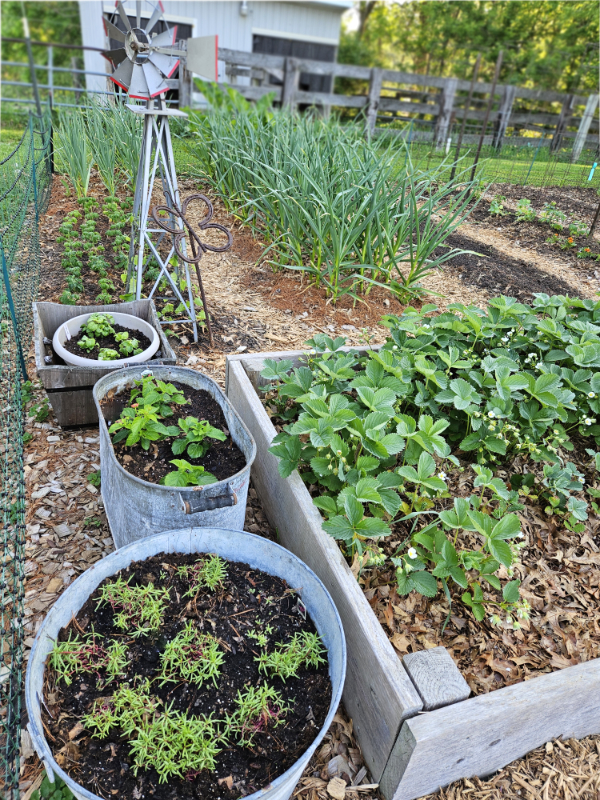
All of these options help to get the soil – and thus your plants – elevated off of the ground and allow excess water to drain off faster. This also helps to keep most of the plant’s roots out of standing water.
Another option is to use containers. A lot of your garden plants can grow in all sorts of different containers. Consider what you have on hand and put it to work. Think galvanized containers, 5-gallon buckets, fabric grow bags (Product Link), etc.
Just keep an eye on watering the containers throughout the growing season. The benefits that allow excess water to drain out easily also mean you might need to water more often during hot and dry periods.
With all of these tips in mind, you shouldn’t have to worry the next time your forecast calls for a few rainy days.
Until next time, thanks for stopping by!
– Chelsea
*This post may contain affiliate links. These are products I have used personally and highly recommend. As an Amazon Associate, I may earn a small commission from qualifying purchases if you purchase items through my links. These links and the ads on this page help to support my family and our semi homestead, so Thank You!
Discover more from Semi Homestead Life
Subscribe to get the latest posts sent to your email.