
Having a low-maintenance gardening setup might sound great in theory, but is it really possible? The idea of all that weeding, watering, dealing with pests, and wondering why some of your plants are failing can seem daunting, especially if you are just starting out.
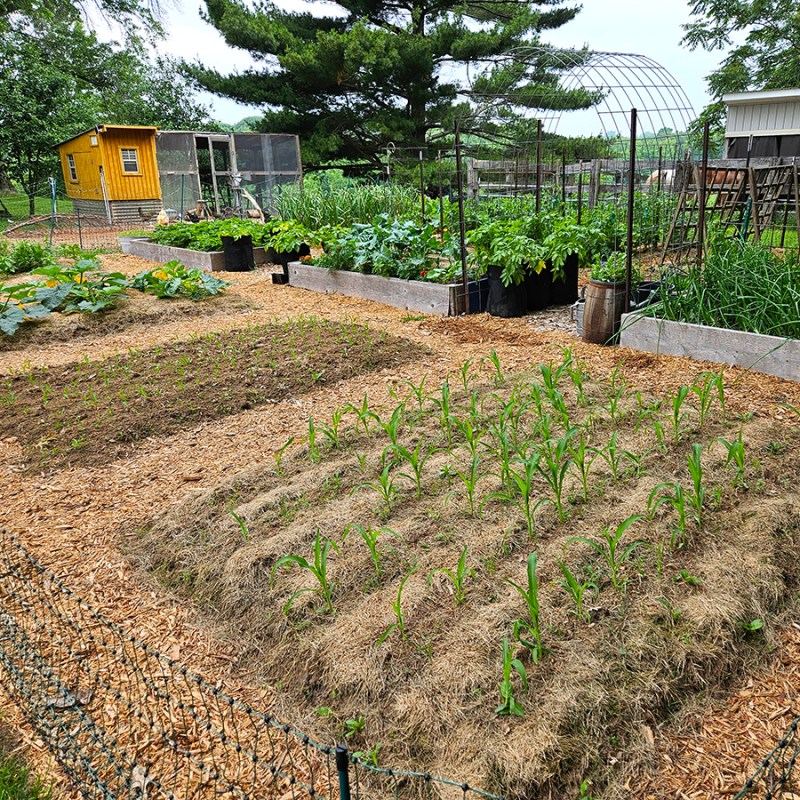
Despite all of the possible issues and chores that are involved with having a garden and growing vegetables, you can still have a low-maintenance garden. In fact, you can have one that grows, thrives, and produces all summer long without a lot of fuss.
Just keep in mind that a low-maintenance garden doesn’t mean a NO work garden. There will still be some chores and tasks you need to do to keep your plants healthy and the garden thriving overall.
With the right setup, a few basic routines, and keeping realistic expectations about your plants, you can be able to enjoy your garden as opposed to having it feel like a burden.
1. Start Small – Low-Maintenance Gardening
If you are just starting out, the best tip I can give you is to start small. Don’t jump all in headfirst, tilling up a huge part of your yard if gardening is brand new to you. Create a small garden or add just a couple of raised beds until you can see if you even enjoy gardening and if you have enough time to dedicate to the hobby.

Also, don’t plant a ton of different crops the first year or two. Choose just a few that you know your family will eat and plant those.
A smaller garden is simply easier to handle. There’s less weeding, less watering, and less money needed to maintain a small garden. In addition, a smaller garden won’t become as overwhelming as a larger one.
Trust me, you can always expand next year. (Heck, I’m still expanding my garden even though I’ve been doing this for years!)
2. Choose The Right Crops
There are some vegetables and crops that are easier to grow than others. Look for crops that are fast-growing, produce continually, and are able to handle a wide range of weather and soil conditions.
One of my favorites is bush green beans. You plant the seeds directly in the soil once the temperatures warm up. The seeds germinate easily. You get one big harvest, then multiple smaller ones after. Even living in Growing Zone 5 like I do, you can do a second planting for a Fall harvest.
Here are some other easy-to-grow crops that are perfect for beginners and tend to be more low-maintenance:
- Radishes – Germinate easily, take little space, grow fast, and can be harvested in 3 to 4 weeks.
- Tomatoes – Cherry tomatoes, specifically, are very easy to grow. While most varieties need trellising or support, they produce loads of tomatoes all summer long.
- Potatoes – Determinate varieties don’t require hilling and can be grown directly in the ground or in grow bags like these Fabric Grow Bags like we use (Product Link).
- Lettuce – Leaf lettuce varieties can be harvested multiple times in a growing season. They do best in cooler weather.
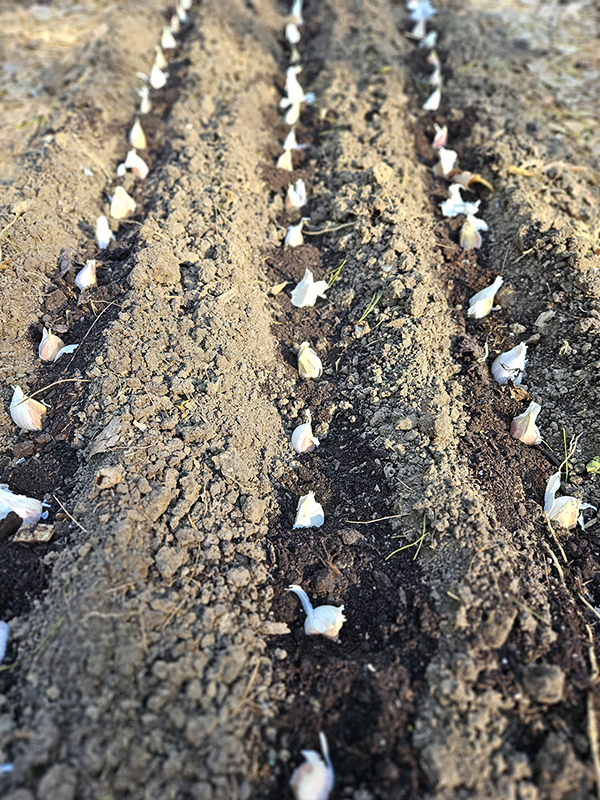
- Garlic – One of my favorites to grow! Plant it in the Fall and leave it alone. Harvest it mid-summer.
- Herbs – Mint, oregano, chives, and more are all easy to grow and keep on producing if you keep harvesting.
- Zucchini – Produces loads from just a single plant, but can often get infected by squash vine borers.
3. Mulch, Mulch, Mulch – Low-Maintenance Gardening
Once you get the right crop planted, the next step is key to creating a low-maintenance gardening setup. That step is to mulch around your plants.
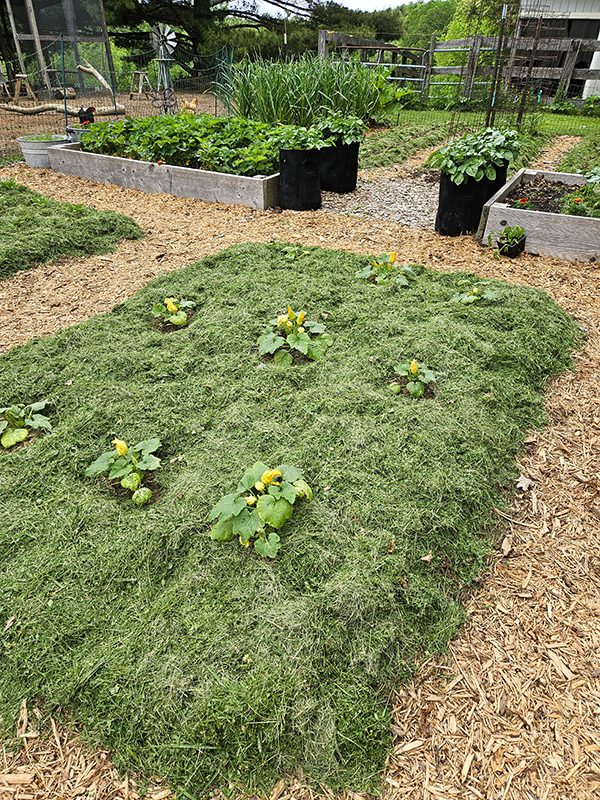
I’m not talking about woodchips or rubber mulch like you’d put out for landscaping. I’m talking about organic materials like grass clippings, shredded leaves, pine needles, and straw. (Grass clippings are my favorite organic mulch for the summer garden. Shredded dead leaves work perfectly for protecting the garden soil in the fall and over winter.)
Mulch is so important for a variety of reasons. First, it drastically reduces the amount of weeds you get growing on your soil. Second, it helps retain moisture in the soil, so you don’t have to water as much. Third, it helps to regulate the temperature of the soil, keeping plants cooler. Fourth, as it breaks down, it adds organic matter back to your garden soil.
Just make sure to use a thick layer of mulch to get the most benefits. I’m talking about at least 4 to 6 inches of the stuff. Reapply it mid-summer if it starts to break down.
4. Proper Watering Techniques
Ideally, I would LOVE to have a custom-made irrigation setup for my garden space. One that includes all of my growing rows, my raised beds, and my in-ground beds as well. A simple turn of a few valves, and I could place water right to the plants that need it the most.
However, that is not how my garden is set up, and chances are yours isn’t either. (If it is, go ahead and skip this section because you’ve already got the watering part under control!)
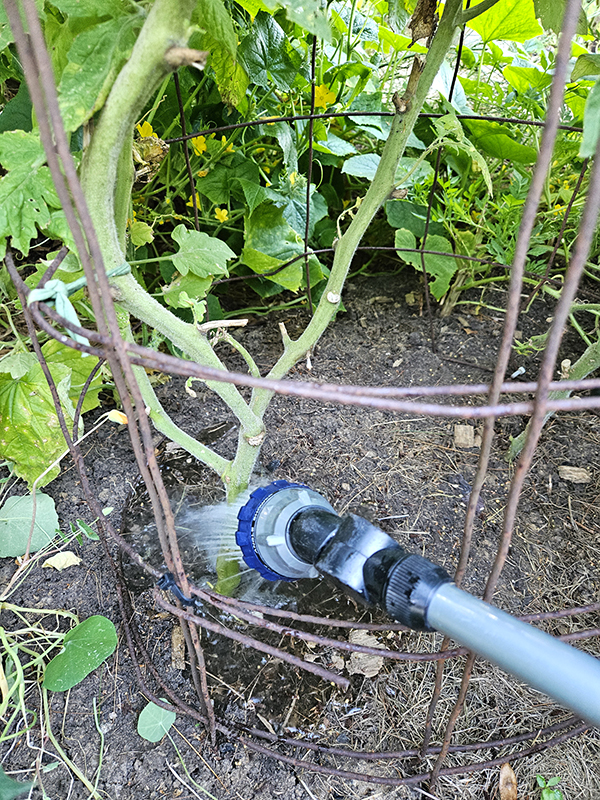
Hand watering your garden can seem like a daunting task for most growers. Either you have to lug buckets of water to your plants or string out a hose to get the water right where you need it. The good thing is that you shouldn’t have to do this process daily.
Instead of watering daily, it is much better for your plants (as well as yourself) to water them once or twice a week, but do so deeply. Watering deeply helps to encourage the plants’ roots to grow down deep into the soil. This gives the plants access to more nutrients and helps anchor them in the ground.
To learn more tips on watering your garden, check out my article that is dedicated to that subject: “Watering Garden Tips – How Often, When, Where & How Much”.
5. Nurture The Soil – Low-Maintenance Gardening
Healthier garden soil equals fewer problems down the line. That’s because soil isn’t just a medium that holds your plants upright in the ground. It’s a living, dynamic ecosystem that helps plants either thrive or struggle.
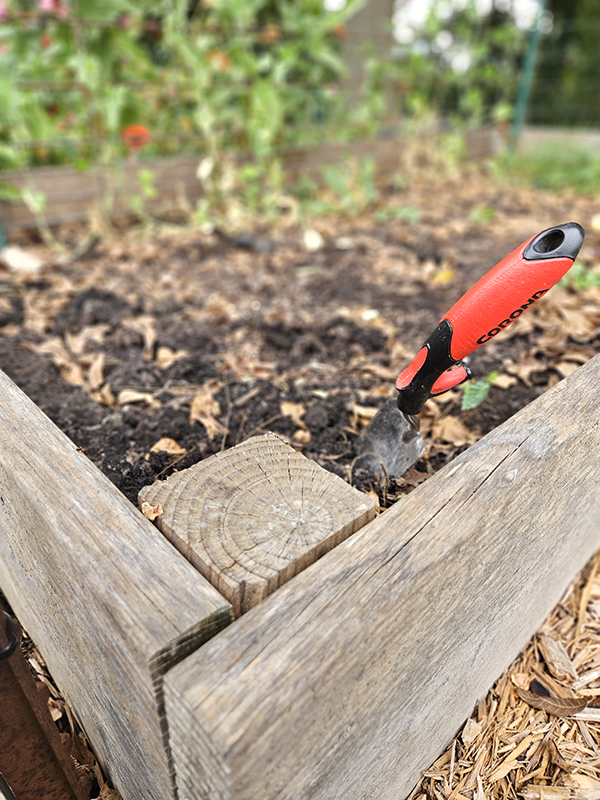
Healthy soil is nutrient-dense, helping to feed plants as they grow. It is full of organic matter, which gives it a great consistency and adds aeration. (This makes it easier for roots to grow.) It can even help to improve or reduce water retention, which is especially important to garden plants.
Good garden soil is also teeming with all kinds of living organisms like beneficial bacteria, fungi, and earthworms. These organisms all help to break down the organic matter in the soil, turning it into easy-to-absorb nutrients.
To help nurture the soil, add loads of compost before each growing season. This will help to replenish all the nutrients that might be depleted. Compost also helps to add loads of organic matter to the soil. (You can read more here, “Making Compost The Easy Way – A Gardener’s Secret Weapon!”)
In addition, try not to over-till. If you do need to break up the soil, do so shallowly. This will help to preserve the soil ecosystem. Lastly, add all that wonderful organic mulch.
What Not To Do For Low-Maintenance Gardening
Don’t start off planting difficult crops like sweet corn, celery, eggplants, head lettuce, Brussels sprouts, and some vining crops like melons. They tend to be a little more difficult to control and keep healthy.
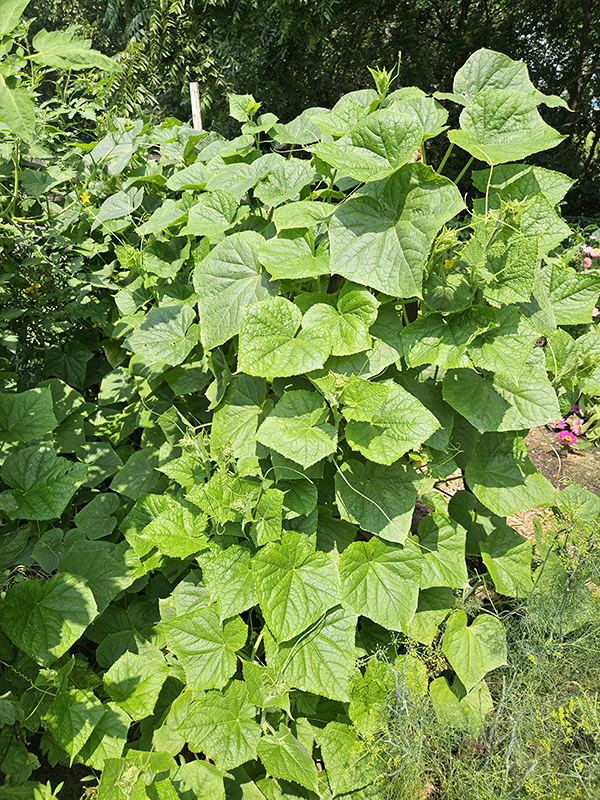
Don’t expect to plant it and forget it. You will still need to check on your garden often, daily if possible. A quick walk around the plants will help alert you to any diseases, pest issues, or other concerns. The sooner you find these problems, the sooner you can fix them.
Don’t expect all plants to live and thrive. You will have some plants struggle to establish and stay healthy. Some might even die. One year, your cucumber plants look stunning and are pushing out fruit after fruit. The next, you may be lucky to get one or two cucumbers to harvest all year. It’s just part of the gardening experience.
Don’t expect perfection. Those Instagram-perfect images you see on social media are most likely a lie. Most home gardeners don’t have perfectly manicured gardens with perfect plant spacing and all healthy plants. It just doesn’t happen, especially later on in the growing season. Give yourself and your garden space grace!
Hopefully, you can enjoy your low-maintenance gardening space a bit more now that you know how to implement ways to make it easier on yourself.
Until next time, thanks for stopping by!
– Chelsea
*This post may contain affiliate links. These are products I have used personally and highly recommend. As an Amazon Associate, I may earn a small commission from qualifying purchases if you purchase items through my links. These links and the ads on this page help to support my family and our semi homestead, so Thank You!
Discover more from Semi Homestead Life
Subscribe to get the latest posts sent to your email.