
When you live in Growing Zone 5, you know that October signals the end of the gardening season, but that doesn’t mean you don’t still have a checklist of tasks to tackle! In fact, fall is one of the busiest times for gardeners, and what you do now helps set the stage for a successful gardening season next year!

In October, not only are you working on cleaning out the garden and prepping the soil for winter, but you are also planting items like tulip bulbs and garlic cloves. You might even be planting a cover crop to protect that bare soil over winter.
Pruning, pulling, tilling, and mulching all come into play during the fall months. Then there’s cleaning up all of your garden supplies and tools and taking inventory of what items you need to replace or fix before the next growing season. It’s definitely not a time to lie back and take a nap. (Well, some days anyway!)
The truth is that the hard work and prep that you do during the month of October will make a huge difference in your success come springtime. To help you know where to start, I’ve put together a checklist with some of the best chores you should be doing in your garden.
Gardening Checklist For October In Zone 5
1. Preparing For The First Frost
Ready or not, the first frost and freezing temperatures are coming. There’s unfortunately nothing you will be able to do to stop it. You can, however, take steps to possibly prolong the damage.
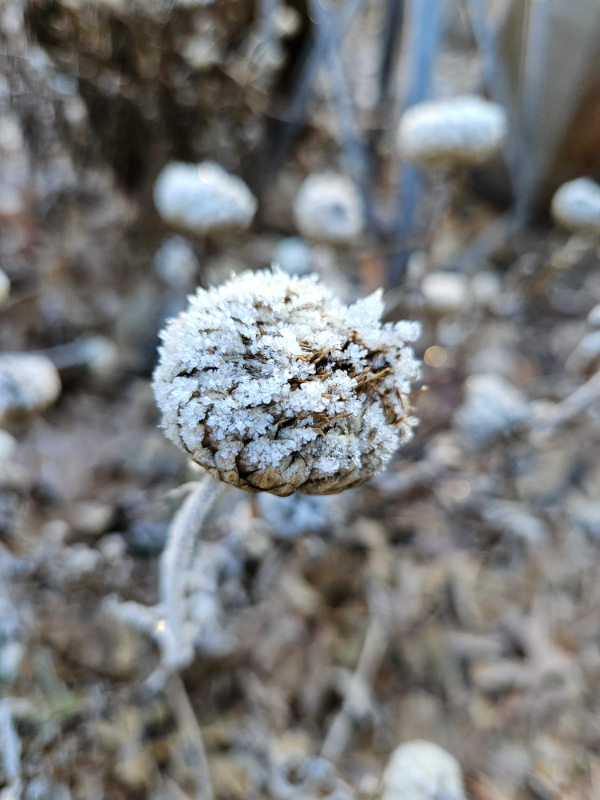
Here in the USDA Plant Hardiness Zone 5, the first frost typically comes between late September and mid-October. This occurs when the air temperature drops below 32º Fahrenheit (F) or 0º Celsius (C). As the plants evaporate water through their leaves during the night, that moisture freezes on the plant’s surface.
Some plants can handle frosts while others not so much. Cool-weather crops like cauliflower, kale, lettuces, peas, radishes, and spinach can all withstand simple frosts. However, plants like beans, cucumbers, melons, peppers, squash, and tomatoes cannot.
If you want to keep these tender crops protected, use row covers or Lightweight Frost Blankets (Product Link) to cover plants. You can deep dive into the topic of frosts and freezes by checking out my article, “First Frost & Hard Freeze – Prepare The Garden For Cold Weather”.
2. Bring In Tender Plants
If a frost or freeze is predicted, you need to bring in sensitive and tender plants and flowers if you can’t cover them. Almost all potted herbs, flowers, and houseplants that have happily been growing outside will die as the temperature drops.
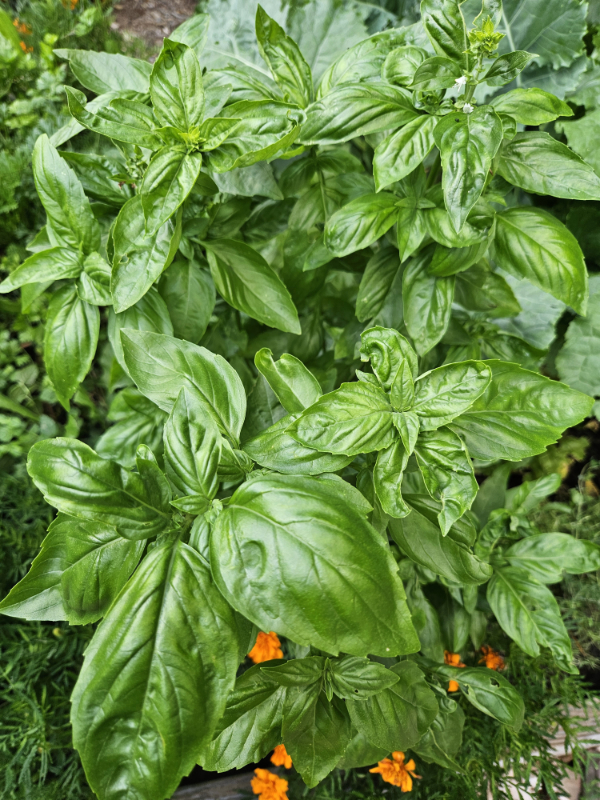
Before you bring them right into your home, there are a few things to keep in mind. Most often, those plants will have hitchhikers. Look the plants over closely, especially at the soil level and on the bottom of the leaves. If you see pests, wipe down the leaves with dish soap or use an insecticidal soap.
You also need to acclimate the potted plants to indoor temperatures and lower light levels. Remove the plants from direct sunlight and leave them on a covered porch for a few days. Then place them near a bright window inside or use a grow light. (I love these Grow Lights [Product Link] and have several throughout my home.)
Remove any dead or dying foliage and repot the plants if they have outgrown their container. Clean the pots or container if needed, especially the outside. Consider quarantining the plants for a few weeks before placing them near established indoor potted plants.
3. One Last Harvest – October Gardening Checklist
As the growing season winds down, it’s time to harvest the last of the produce from your plants. This includes warm-weather crops like peppers and tomatoes.
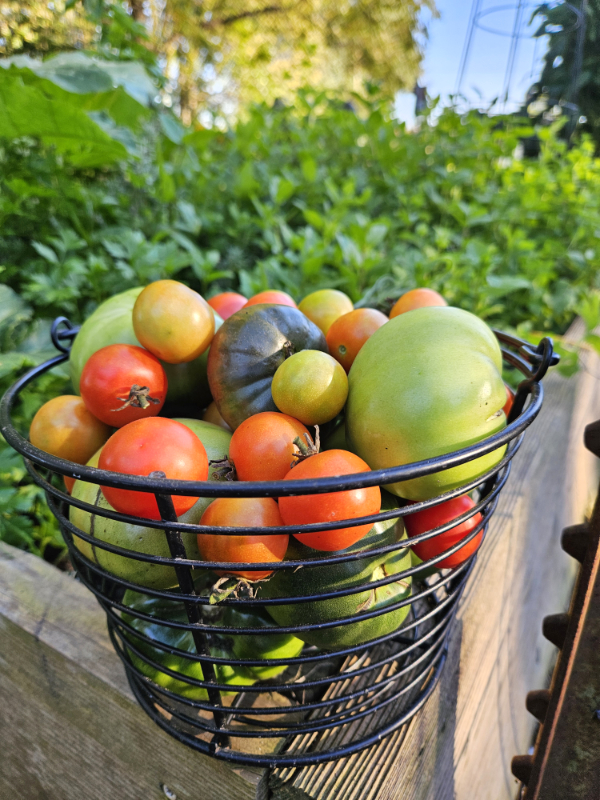
While some unripe fruit and vegetables can’t be salvaged, you can still save those green tomatoes left on the vines. I’ve actually been able to enjoy some of our garden-grown tomatoes as late as December here in Illinois. Talk about a treat in the middle of winter!
I have an article that walks you through the process of storing these tomatoes and ripening them: “End Of The Season Tomatoes – Cleaning Up Tomato Plants In Fall”. While they won’t have quite the same flavor and texture as freshly harvested tomatoes, it still beats store-bought!
As you harvest the last of your crops, also consider saving seeds from your best produce and flowers. Saving seeds is a great way to save money and allow you to keep growing your favorite open-pollinated plants.
4. Clean Out Garden
After you get all of that produce harvested, it’s time to clean out the plants, do a thorough weeding, and till if desired. Allowing the plants to die and rot away in the garden space is only opening yourself up to trouble.
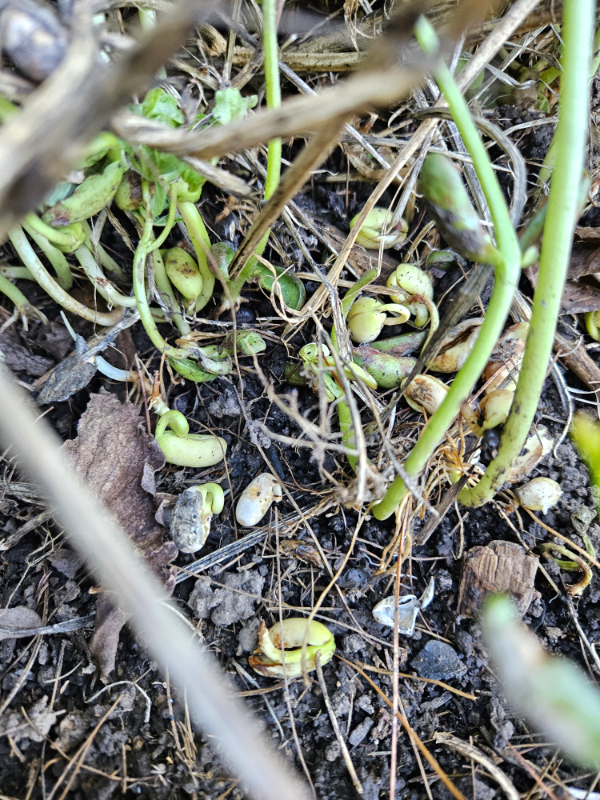
There are so many pests and diseases that overwinter in the garden soil and plant matter. By allowing those items to stay in your garden, you are simply giving them a free place to hide and stay comfy cozy.
Yes, there are some beneficial insects that also overwinter in plant matter. However, I am pro-garden cleanout because I feel the benefits outweigh the risks. (And besides, we live right by a lot of timber, so there are plenty of places for both pests and beneficial insects to hang out in if they so choose!)
When you are clearing out the garden, make sure you remove all the plant matter, AND the dropped vegetables and fruit left behind. Just think of all the seeds that are in a single tomato. All of those seeds can overwinter and possibly sprout come next spring. While lots of volunteer tomatoes might sound like a good thing, it’s really not!
5. Plant Garlic & Flower Bulbs
Mid-October is the perfect time to plant a few things in the ground so they are tucked in and ready before winter arrives.
While it might seem strange to be planting when everything else in your garden is dying, there are a few crops that actually require a period of cold weather in order to germinate and grow. This process is called “cold stratification”.
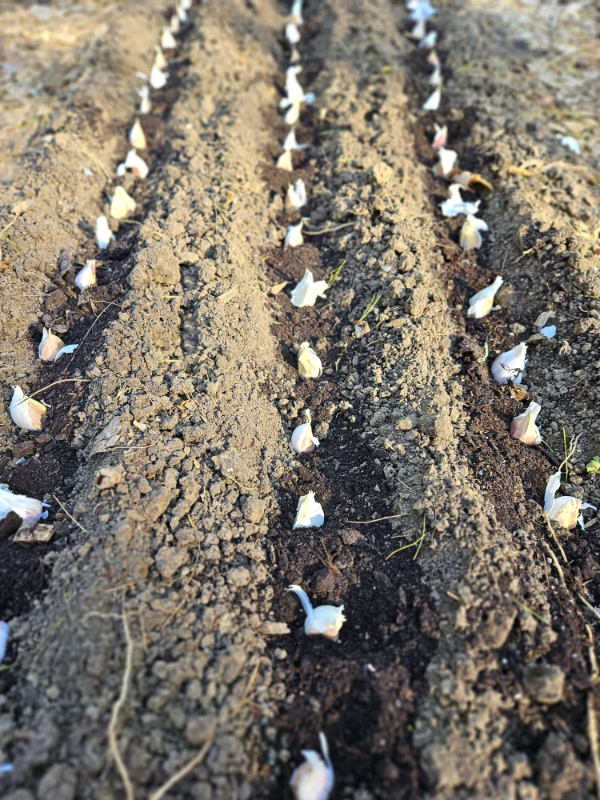
Plants that require fall planting include hardneck garlic and many early spring-blooming flowers like tulips, crocus, and daffodils. There are even a few seeds you can also plant in the fall for spring or summer blooms. Most of these are perennial plants that are native to the area, like coneflower, milkweed, black-eyed Susan, columbine, and asters.
6. Replenish The Soil – October Gardening Checklist
If you grew plants in containers or raised beds, chances are the soil levels have dropped over the summer. Now is the perfect time to replenish the soil and top it off with more to bring it back to proper levels. (Trust me, your Spring self will thank you!)
In addition to topping off containers and beds, add in compost now to help give your soil a boost for the next growing season. All spring and summer long, your plants pulled nutrients and resources from the soil they were growing in. Over time, those resources start to become depleted.
Adding in the compost in October ensures that those nutrients will be there and ready for spring planting. You can either add the compost and additional soil right on top of the existing soil or use a tiller to give it a light mixing. Tilling also helps to loosen up soil that might’ve gotten compacted over the growing season. (See, “The No-Till Method – Great Idea, But Is It Practical For Everyone?”)
7. Mulch Or Add Cover Crops
Once you get all of the plants and vegetables out of the garden and replenish the soil, it’s time to cover the soil. This is probably my biggest tip when it comes to October chores: Don’t leave soil naked or bare!
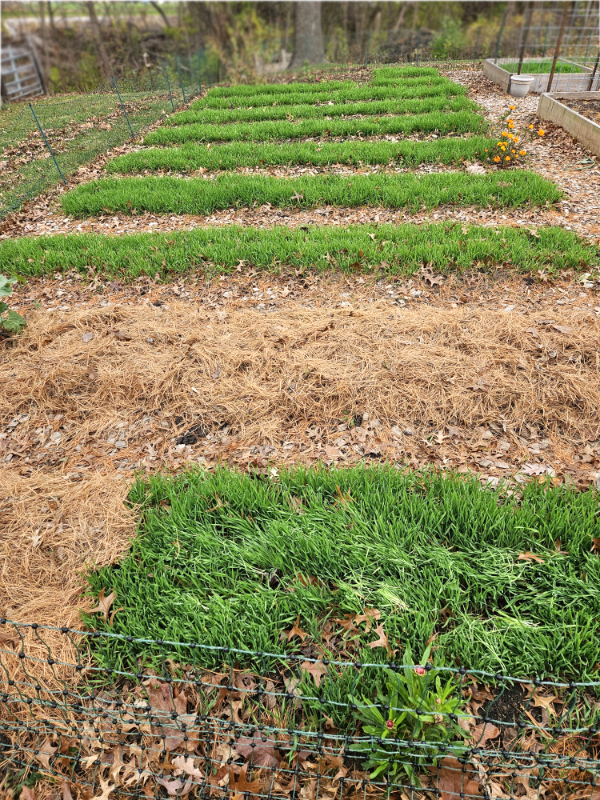
Any soil that is not covered is only inviting weed seeds and other issues to land and take root. Instead, cover the soil either with some type of organic mulch or plant a cover crop.
If you go the mulch route, there are many options you can turn to. Straw is a common choice, but I don’t like the mess it makes thanks to our high winds. Instead, I like to use either grass clippings (if your lawn is still growing in October), shredded leaves, or pine needles. All of these resources are free and only require a little manual labor. And, thankfully, both of the last two options are in ready supply this time of year.
For cover crops, choose a variety that will grow quickly soon after planting, then go dormant over winter. My top two choices for Growing Zone 5 are winter rye or oats. Get them planted as soon as possible in early October. (Read “Planting A Garden Cover Crop – Protect And Improve Your Soil” for more in-depth info on cover crops.
Winter Is Almost Here!
Before you know it, winter will be here. By tackling all of these gardening checklist tasks now in October, you will be setting yourself up for another great year of growing plants and flowers come next springtime!
Until next time, thanks for stopping by!
– Chelsea
*This post may contain affiliate links. These are products I have used personally and highly recommend. As an Amazon Associate, I may earn a small commission from qualifying purchases if you purchase items through my links. These links and the ads on this page help to support my family and our semi homestead, so Thank You!
Discover more from Semi Homestead Life
Subscribe to get the latest posts sent to your email.